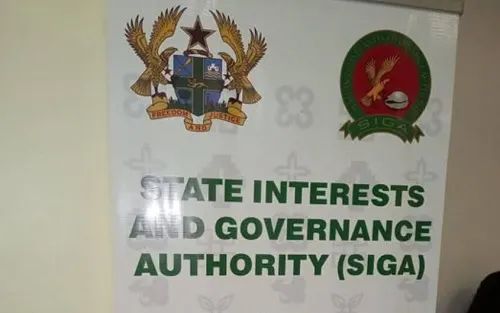
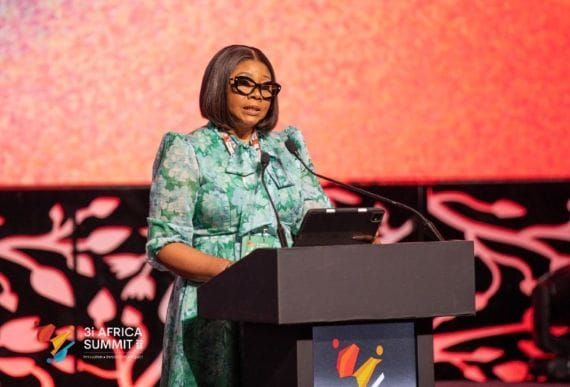
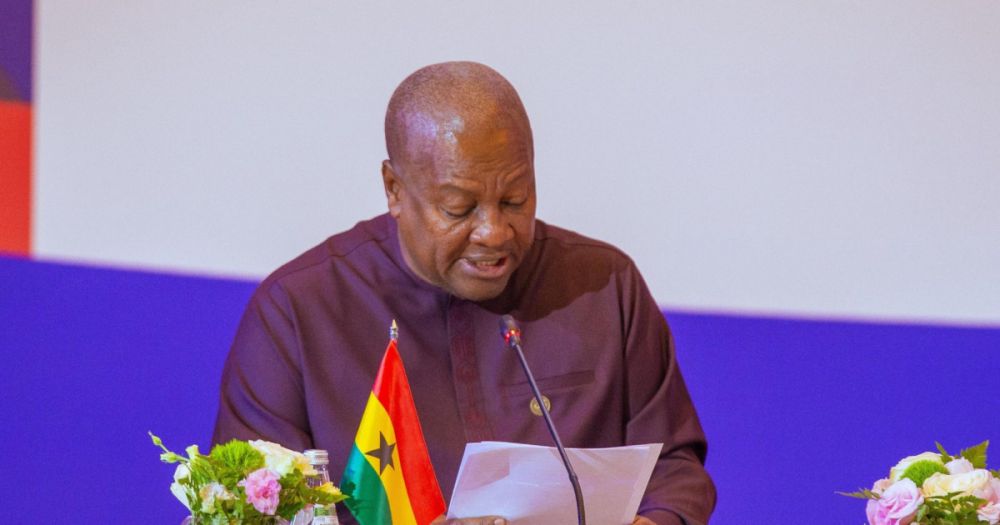
President John Dramani Mahama addressed the SIGA Governing Boards and CEOs’ Conference 2026 at Labadi Beach Hotel, demanding that Ghana’s state‑owned enterprises (SOEs) convert recent financial gains into enduring operational efficiency. He reminded attendees that assets such as ports, power plants, factories, water systems, pension funds, land, buildings, equipment and shares held by the Republic belong to the Ghanaian people and that government, boards and executives are merely custodians tasked with delivering public value.
Mahama called on each institution to present credible evidence of the value it has created for citizens. He recalled a March 2025 meeting where he announced a reset in the relationship between the government and its enterprises, noting that persistent losses could no longer be quietly transferred to the national budget. The president reiterated that leadership positions should be tied to measurable results, value creation and profitability.
According to the latest State Ownership Report, aggregate revenue rose from $137.71 billion in 2024 to $176.43 billion in 2025, a 28.12 percent increase, while the sector moved from a net loss of $2.26 billion to a net profit of $19.8 billion. Return on assets climbed from 1.3 percent to 6.31 percent and return on equity improved from negative 1.6 percent to 15.7 percent. Mahama cautioned that these figures were also influenced by favourable foreign exchange gains of $11.72 billion and a 42.5 percent reduction in finance costs.
The president highlighted ten SOEs that recorded positive net profits every year from 2021 to 2025, with the Ghana National Petroleum Corporation posting the highest average annual profit of about $2.25 billion. He also praised the Ghana Ports and Harbours Authority, Minerals Income Investment Fund, BOSS Energy and others for consistent profitability. Notable improvements in 2025 included the Tema Oil Refinery turning a $745 million loss into a $1.09 billion profit, Ghana Water Company moving from a $3.06 billion loss to a $635 million profit, and the Ghana Cocoa Board turning a $5.73 billion loss into a $5.11 billion profit.
Mahama warned against complacency, stressing that sustainable performance requires stronger core operations and cannot rely indefinitely on favourable exchange rates or lower financing costs. He urged boards and CEOs to strengthen governance, improve efficiency and ensure that public assets generate lasting value for the citizens who ultimately own them.