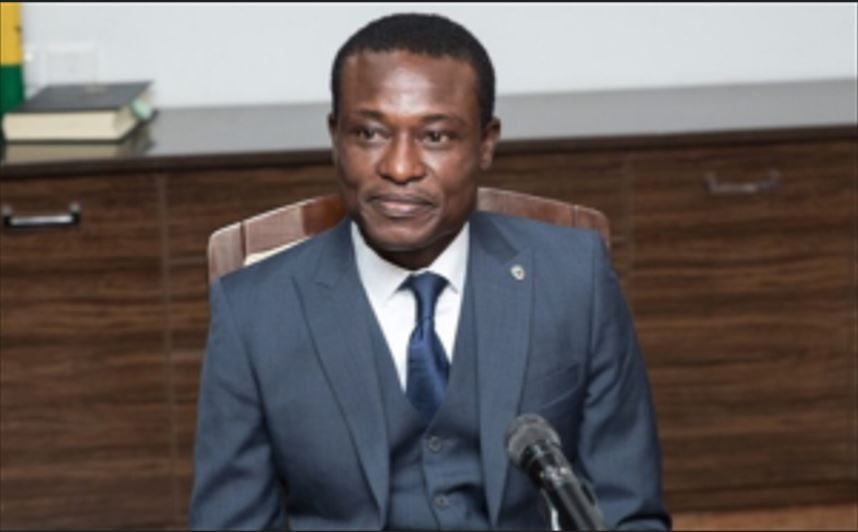
During the second edition of the National Anti‑Corruption Dialogue in Accra, Kissi Agyebeng, the Special Prosecutor, argued that Ghana must embed non‑conviction‑based asset recovery in its Constitution to strengthen the fight against corruption.
He warned that requiring institutions such as the Office of the Special Prosecutor (OSP) and the Economic and Organised Crime Office (EOCO) to obtain a conviction before seizing assets undermines anti‑corruption efforts. “To require institutions like EOCO and OSP to secure convictions before we are able to go after unexplained wealth is rather putting the cart before the horse,” he said.
Agyebeng called for a reverse‑onus clause that would shift the burden onto individuals whose wealth appears disproportionate to their lawful income. “The presumption of corruption should be instituted, where it is very clear that a person is unable to explain their wealth as much to their lawful sources of income,” he added.
Under such a framework, the individual would need to prove that their wealth and lifestyle are supported by legitimate sources. Agyebeng stressed that the reform must be firmly established in legislation to enable anti‑corruption institutions to deal effectively with unexplained wealth.
He concluded that without constitutional backing, the fight against corruption could suffer a major setback, urging lawmakers to act swiftly.