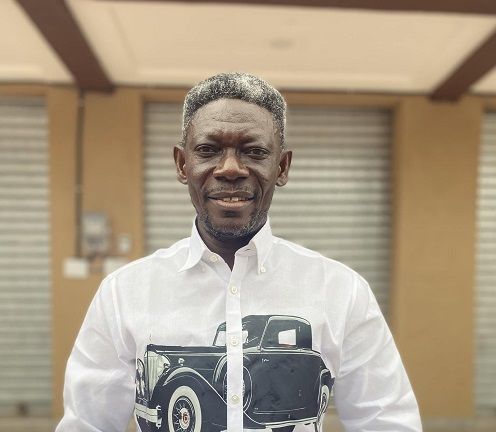
Veteran actor Agya Koo has called on Ghanaian filmmakers to champion indigenous languages in their pursuit of international streaming opportunities, especially on platforms such as Netflix. He believes that producing films in Twi, Ga, Ewe and Dagbani should not be seen as a barrier to global success, but rather as a strength that can attract audiences beyond the continent.
In an interview with the Daily Graphic, Agya Koo said that streaming services offer a platform for African filmmakers to showcase their cultures and languages to a worldwide audience through distinctive storytelling. He urged filmmakers to take advantage of these opportunities by producing stories that reflect Ghana’s identity rather than leaning heavily on foreign languages or cultural influences.
"We cannot abandon our own culture and languages while making other people's cultures more attractive. We must promote our local languages, including Twi, Ga, Ewe and Dagbani," he said. He cited his experience in Côte d'Ivoire, where his Twi-language movies have attracted viewers. "Whenever I travel outside Ghana, people flock to me because they have watched my films. I am particularly popular in Côte d'Ivoire, where audiences watch movies featuring Wayoosi and me. Some of these movies are subtitled for viewers who do not understand Twi. Isn't that international recognition?" he asked.
Agya Koo highlighted that audiences can appreciate Ghanaian stories even when they do not understand the language in which they are produced. He also called for a code of practice to regulate film production and improve professional standards in the industry. "I would introduce a code of practice to regulate film production so that not just anybody can pick up equipment and shoot a movie without adhering to professional standards. We must be intentional about producing movies that uplift the image of the country," he added.
Reflecting on his era, Agya Koo recalled working alongside actors such as Nana Ama McBrown, Afranie, Wayoosi and Akrobeto, noting their commitment and patriotism helped make Ghanaian films popular in households across the country. He added that the continued use of his movies by newly established television stations to attract viewers demonstrated the lasting appeal of their work.