Winnie Byanyima, executive director of the UN agency for AIDS, warned on Tuesday that new HIV infections could begin rising from historic lows next year as funding cuts and anti‑rights campaigns threaten global gains.
Byanyima told Reuters that the world is “on the cusp of ending AIDS” and that the current political backlash against women’s access to sexual and reproductive health and LGBTQ rights poses a serious threat to the disease’s elimination.
She added that while data for 2027 has not yet been released, “we see all the signs of reversals” and that numbers are already increasing in parts of South America.
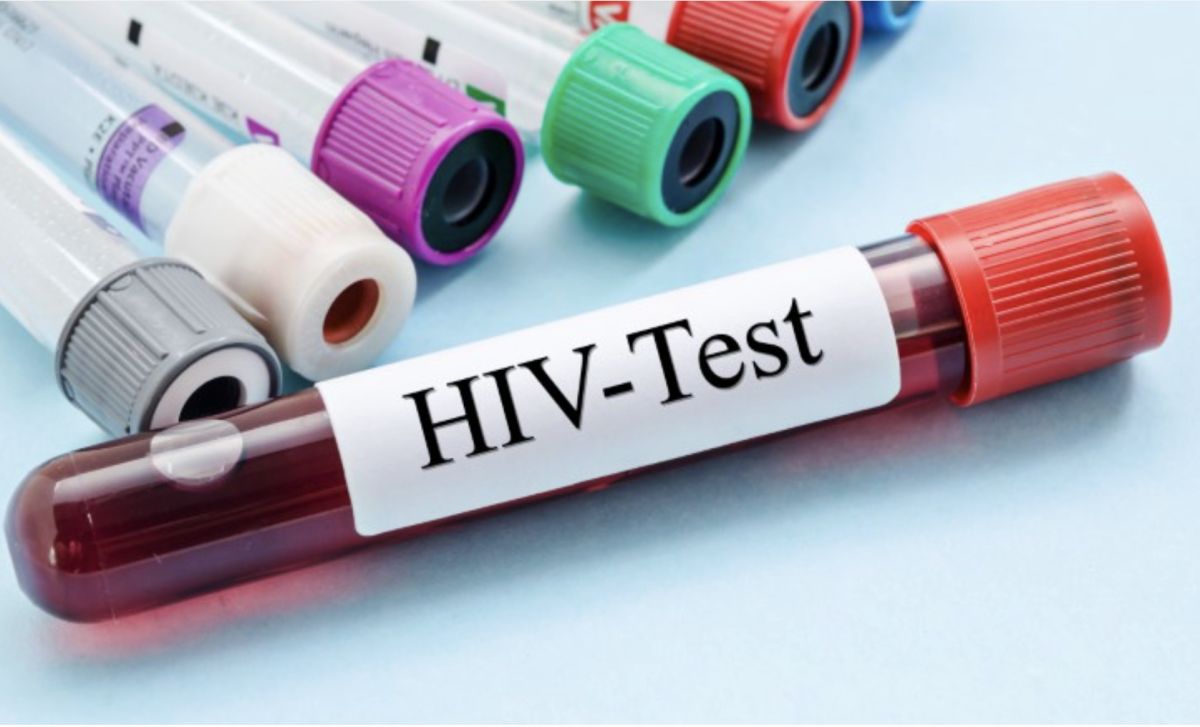
The latest UNAIDS data released on Tuesday shows new infections last year at an all‑time low of 1.2 million, down from a peak of 3.5 million in 1994, despite a nearly a fifth drop in international funding last year.
Byanyima said the impact of the funding cuts could start to show up soon in numbers of infections as some countries struggle to fill the gap on their own, resulting in prevention clinic closures and staff reductions.
She also noted that the UN has already dismissed half its staff and stopped work in about 30 countries, though its board rejected a plan to dissolve the agency altogether last month.
Byanyima will leave her post in December to focus on activism on global inequality, but she emphasized that the core work of UNAIDS will remain even as the agency scales down.
With the UN aiming to end HIV/AIDS as a public health threat by 2030, the warning signals a potential setback that could undo years of progress.