The Ghana Tertiary Education Commission (GTEC) has announced that well‑established universities could still secure approval for new PhD programmes, even though a nationwide freeze on new academic offerings is currently in place.
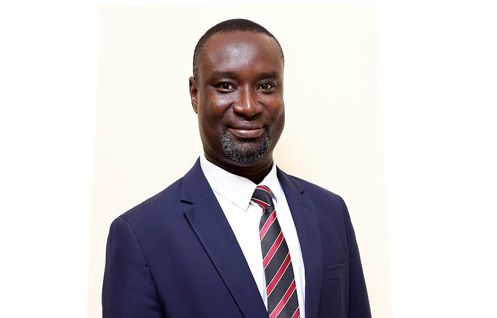
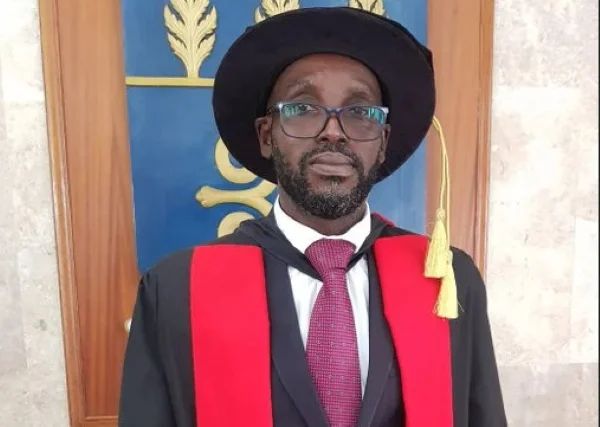
Deputy Director‑General Prof. Augustine Ocloo told Joy News’ PM Express that institutions such as the University of Ghana (UG), Kwame Nkrumah University of Science and Technology (KNUST) and the University of Cape Coast (UCC) could be granted exemptions if they submit strong justifications.
He clarified that the freeze is not an absolute ban and that the Commission would consider exceptional cases on their individual merits. The directive was issued as part of an audit aimed at addressing concerns over accreditation, institutional capacity and the quality of tertiary education, particularly doctoral training.
“The fact that the Commission is saying to put a freeze on new programmes does not mean that if a well‑established institution, for instance, UG, KNUST, UCC, should come to us with strong justification that they have to get this programme through, then the Commission will be adamant and say that okay, we have a freeze, so we’re not going to listen,” Prof. Ocloo said.
He added that the Commission would not rigidly enforce the directive where institutions demonstrate a compelling case and that the temporary restrictions are not unusual in GTEC’s regulatory operations. He also apologized for the anxiety the directive may have caused within the tertiary education sector.
GTEC has uncovered worrying cases of excessive PhD admissions at institutions without adequate capacity to train doctoral students, such as a programme admitting 52 PhD students in one cohort – a figure rarely seen worldwide. Some institutions have also failed to sustain the capacity they initially demonstrated when securing accreditation.
Prof. Ocloo assured universities that the nationwide freeze would not last beyond a month. GTEC plans to deploy four or five teams to analyse data submitted by tertiary institutions and make recommendations to the Commission. Institutions found lacking adequate capacity could face restrictions on fresh admissions for up to two years while they address deficiencies, though existing students would not normally be removed from their programmes.
The intervention is intended to protect academic standards, not undermine tertiary education. “I don’t think the commission is set out to destroy tertiary education. We are there to support and make sure that quality is sustained,” Prof. Ocloo concluded.