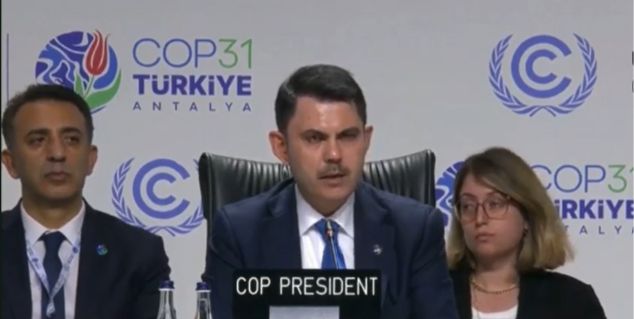
On 24 November 2026, the 31st United Nations Climate Change Conference (COP31) opened in Antalya, Türkiye, with a clear focus on empowering young people in climate decision‑making. The COP31 Presidency, led by President Murat Kurum, has adopted a Youth and Education Action Agenda that seeks to embed climate change into education curricula by 2030 and raise climate awareness across society by 2035.
With an estimated 1.8 billion people worldwide aged 10 to 24, the agenda aims to give youth meaningful roles in formal negotiations and the development of climate solutions. Youth negotiators are already preparing to enter discussions, exchange ideas and explore ways to translate knowledge into practical climate responses.
African climate representatives have echoed this call. Nana Dr Antwi‑Boasiako Amoah, Chair of the African Group of Negotiators on Climate Change, pledged support for strengthening children’s and young people’s participation, citing the Just Transition Work Programme and Action for Climate Empowerment (ACE) as avenues to bring their concerns into the global climate process.
Beyond youth engagement, COP31 is fostering institutional partnerships. The Climate and Development Knowledge Network (CDKN) and Beyond the Science (BTS) are working to connect climate negotiations, development knowledge, research, policy engagement and public communication. Their goal is to ensure climate knowledge moves beyond research circles into national, regional and community action.
The Youth and Education Action Agenda outlines five priority areas: strengthening climate literacy, promoting international youth cooperation, equipping young people with green‑economy skills, and establishing high‑level dialogue platforms for youth leaders to engage directly with decision‑makers. These priorities aim to link education with practical opportunities for youth to shape policy and develop relevant skills.
As COP31 progresses, success will hinge on whether young people gain genuine influence, whether climate education reaches wider communities, and whether institutional partnerships translate research and lived experience into actionable solutions on the ground.