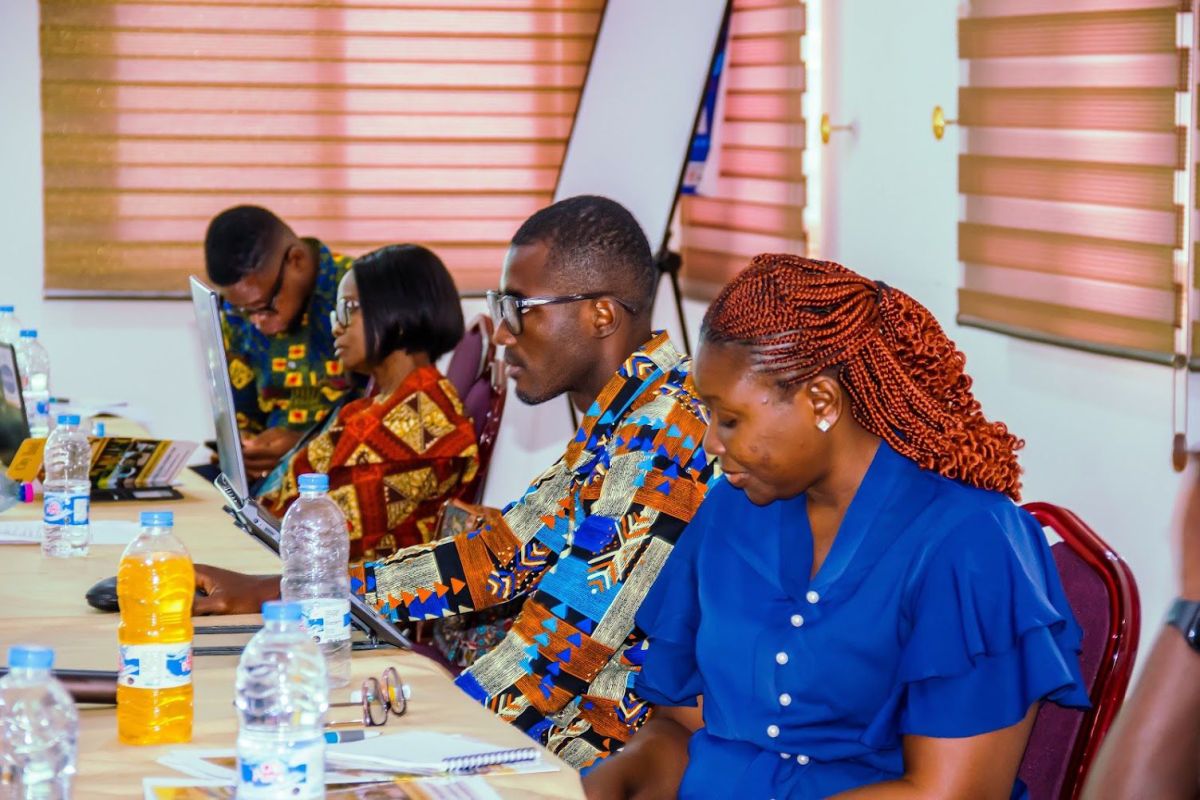
On 8–9 November, the Ghana National Chamber of Commerce and Industry (GNCCI) hosted a two‑day workshop at the Modern City Hotel in Tamale, bringing together around 40 local government officials and stakeholders from the Northern, Upper East and Upper West Regions. The event, part of the European Union‑supported GreenGrowth Ghana Project, focused on turning climate‑related challenges into tangible investment opportunities that could attract financing, support businesses and strengthen community resilience.
GNCCI National Treasurer Mr Michael Kabutey Caesar opened the session by underscoring the economic risks posed by climate change to businesses, agriculture and livelihoods that depend on natural resources. He called for stronger collaboration between local authorities, the private sector and development partners to address these risks. Mr Caesar highlighted waste‑to‑resource initiatives, organic composting, biofertiliser production, renewable energy, sustainable agriculture and improved water management as sectors with both environmental and commercial potential.
The workshop examined how climate‑financing mechanisms such as the Performance‑Based Climate Resilience Grant (PBCRG) Scheme and the United Nations Capital Development Fund’s Local Climate Adaptive Living Facility (LoCAL) can support these investments. Mr Caesar cited LoCAL’s record of supporting more than 70 climate‑resilient infrastructure projects across 13 districts since 2019, creating 2,371 short‑term jobs, and the Norway‑supported LoCAL‑ACE initiative’s disbursement of over US$1 million through two PBCRG cycles for activities including cassava processing, organic waste composting, biofertiliser production and irrigation infrastructure.
GNCCI Head of Communications Peter Atsu Dotse stressed that unlocking green and circular economy opportunities requires stronger collaboration, effective communication and greater private‑sector participation. He added that connecting viable green business ideas to investors, markets and institutional partners is key to translating climate resilience priorities into sustainable economic opportunities.
The training, delivered in partnership with Presbyterian University Ghana and backed by the European Union, aims to promote green and circular economic activities, expand opportunities for women and young people and strengthen sustainable livelihoods across Ghana’s Northern Savannah regions.
Going forward, participants will work on incorporating climate resilience into district development plans and budgets, ensuring that local investment priorities align with the realities facing communities.