In a major move to provide relief to consumers facing rising fuel costs, the government has announced a temporary GH¢2 reduction on a litre of diesel, effective Tuesday, August 4, 2026.
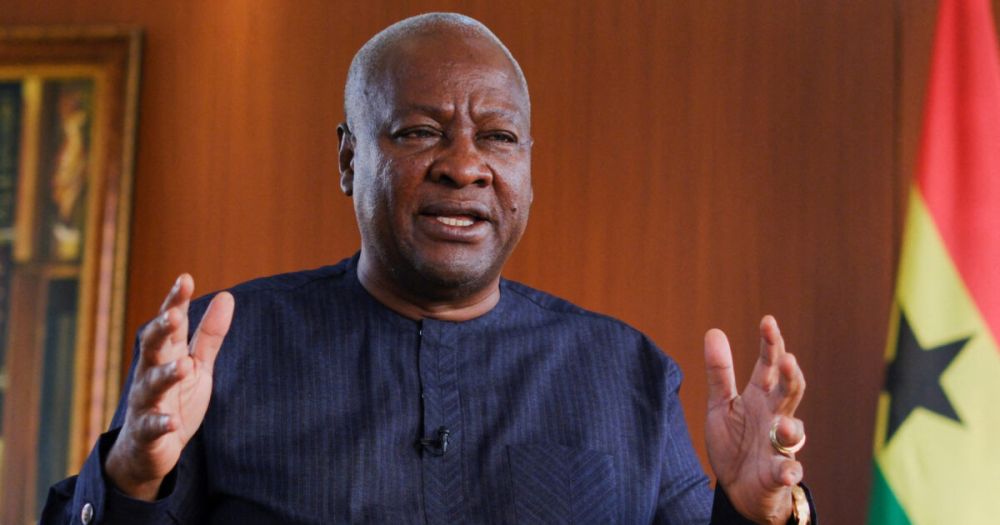
The directive, ordered by President John Dramani Mahama following a Cabinet decision, is designed to contain inflationary pressures and prevent immediate transport fare hikes. According to Presidential Spokesperson Felix Kwakye Ofosu, the one-month intervention is a strategic measure to "mitigate the pass-through effect of higher fuel prices on the cost of living."
A "Significant" 12% Drop for Diesel Users
The Chamber of Petroleum Consumers (COPEC) has welcomed the decision, describing it as a vital intervention. COPEC Executive Secretary Duncan Amoah noted that the reduction will bring diesel pump prices down from GH¢19.26 to approximately GH¢17.26 per litre—a drop of nearly 12 percent.
"For consumers of diesel, the government seems to have done something quite significant to ensure you don't pay in excess of GH¢19 for a litre," Mr. Amoah said. He explained that the price drop should give the government and transport unions, such as the Ghana Private Road Transport Union (GPRTU), a crucial window to negotiate and stabilize transport fares over the coming weeks.
However, the intervention does not extend to petrol users. Mr. Amoah pointed out that petrol prices are expected to remain stable at between GH¢14 and GH¢15 per litre for the next two weeks.
The Economic Trade-Off
While the GH¢2 reduction is a welcome relief, Mr. Amoah emphasized that fuel prices remain historically high, recalling that when the current administration took office in January 2025, prices hovered around GH¢14.90 per litre.
He estimated that the one-month subsidy will cost the government between GH¢200 million and GH¢225 million in forgone revenue. Despite the cost, he argued that it is a necessary fiscal stimulus.
"I think it is a good bargain or a good trade-off for the likely economic impact we would have had if the government had not taken this intervention decision," he explained. By leaving that money in the market, the state is effectively helping to keep the broader cost of goods and services in check.
Calls for a Sustainable Strategic Reserve
Despite his praise for the immediate relief, the COPEC boss cautioned the government against relying on ad hoc fiscal interventions, warning that they are unsustainable in the long run.
Instead, Mr. Amoah urged the government to establish a long-term strategic reserve program through BOST Energies, which he noted currently holds no strategic petroleum stocks. He proposed introducing a strategic reserve margin to purchase fuel when global prices drop and release it into the market during price spikes.
"If you study the trends... anytime prices go down, the government buys some to store, so that when prices are going up, the government can use what it bought to cushion the market," he explained. Such a system, he argued, would provide predictable market stability without placing repeated strain on public finances.
Meanwhile, the government has assured the public that it will continue to monitor global and local fuel trends closely and take further action if necessary to protect citizens and sustain Ghana's economic recovery.