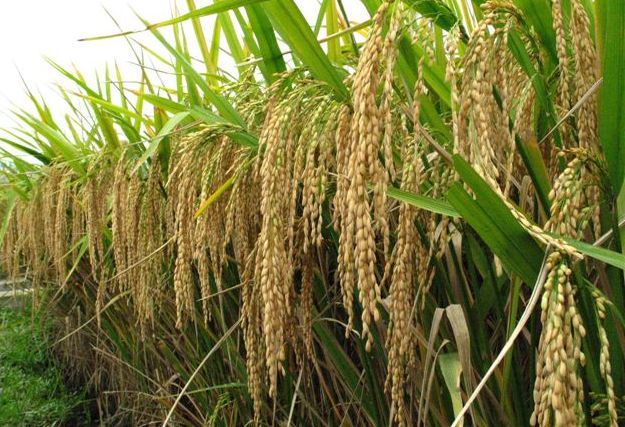
The Ministry of Food and Agriculture announced that it will formally unveil the $18.8 million Regional West African Resilient Rice Value Chains Project (REWARD) in the first week of November 2026, ahead of the 2027 rice production season.
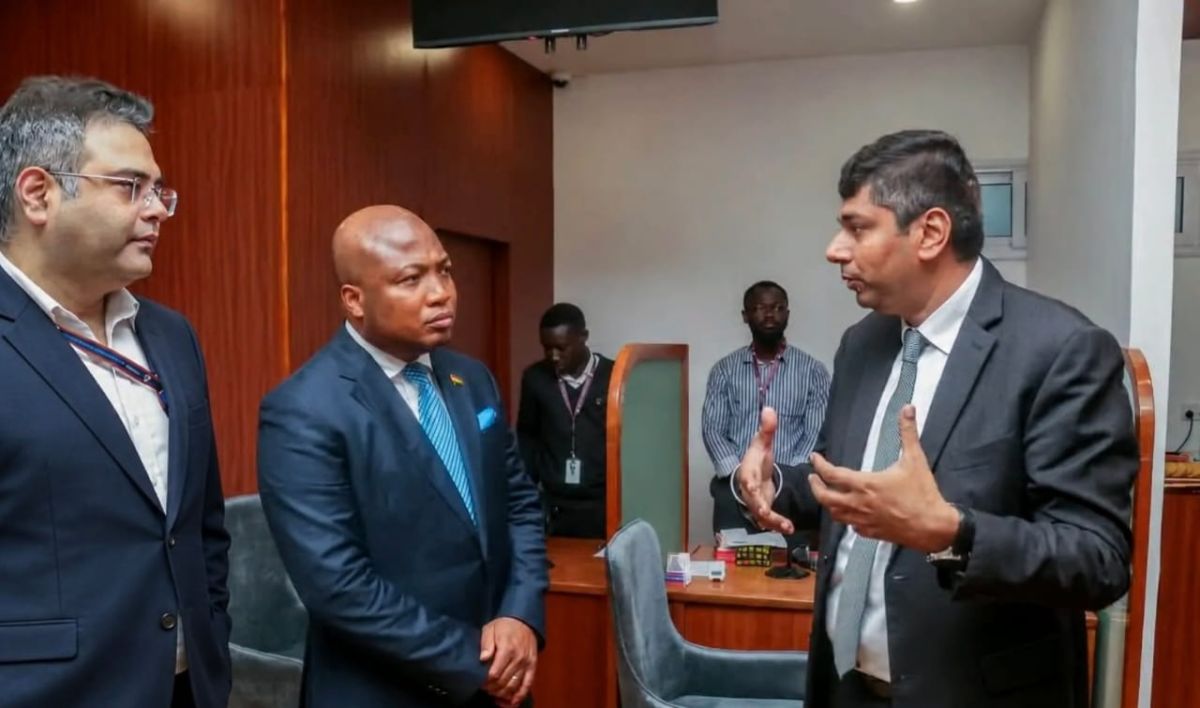
Agri‑Minister Eric Opoku said the African Development Bank‑funded initiative targets key bottlenecks in Ghana’s rice value chain and is designed to cut the country’s heavy reliance on imports.
REWARD will develop 3,200 hectares of land in Ghana’s northern savannah zone and supply farmers with improved seeds, mechanisation and other inputs to boost productivity. More than 20,000 smallholder farmers across selected districts are expected to benefit, along with rice processors, aggregators and other value‑chain actors.
The project is part of the government’s broader goal of achieving rice self‑sufficiency by 2028, with a national target of 3.31 million metric tonnes of paddy production. Milled rice output rose from about 650,000 tonnes in 2024 to 960,000 tonnes in 2025, yet local production still meets only 56 % of national demand, leaving a 44 % gap that is filled through imports.
Mr. Opoku said Ghana spends roughly $500 million annually on rice imports, a foreign‑exchange outflow that could instead support local farmers and businesses. “That is money that could be earned by Ghanaian farmers, millers, and traders,” he added.
In parallel, the government is linking rice import quotas to local investment. Importers will need to establish verifiable partnerships with domestic producers before receiving import permits, a policy that does not ban imports but aims to channel their value into local production and empower farmers.
REWARD will also support the establishment and upgrading of 10 strategically located rice processing centres, improve storage facilities and strengthen links between farmers and markets.
Japan has pledged a $2.5 million grant to support the value chain with equipment, including eight combined harvesters and 11 seed‑cleaning machines, expected to arrive in November 2026 as Ghana intensifies efforts to narrow the domestic‑production gap.
With the project’s launch, Ghana aims to reduce its rice import bill and move closer to self‑sufficiency, benefiting farmers, millers, traders and the broader economy.