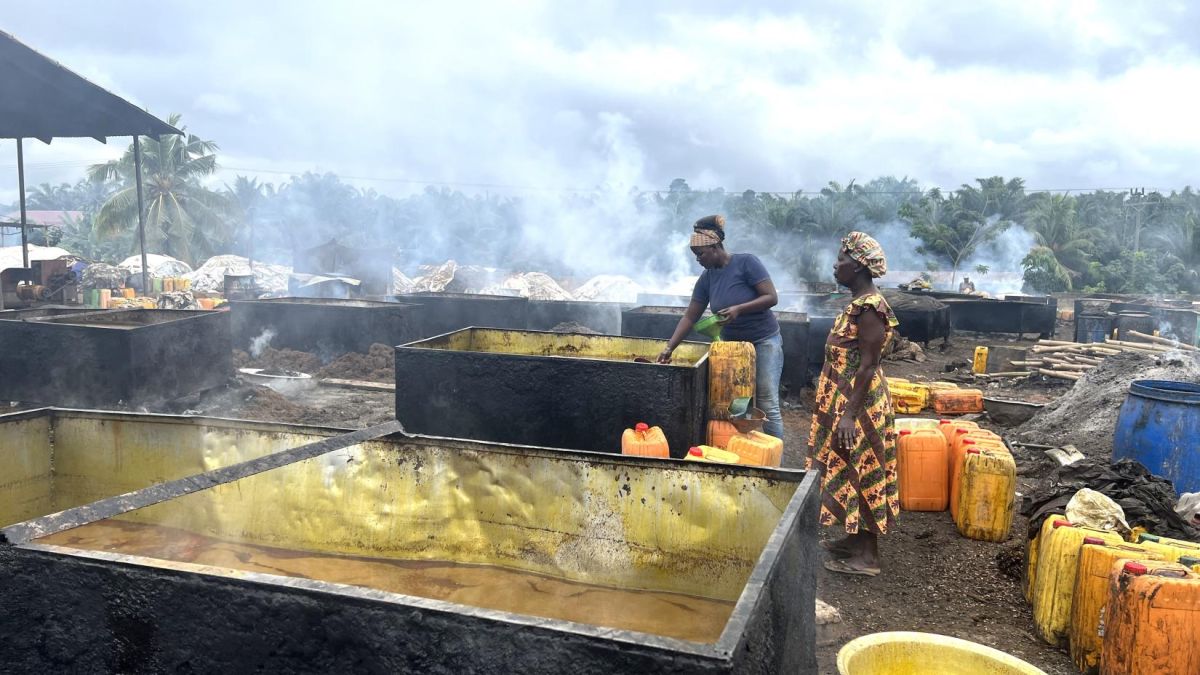
The Oil Palm Development Association of Ghana (OPDAG) has revealed that the country is currently short of about 150,000 metric tonnes of crude palm oil, despite its large production potential.
Paul Kwabena Amaning, OPDAG’s president, said Ghana produces roughly 250,000 metric tonnes annually, while domestic demand sits at an estimated 400,000 metric tonnes.
He framed the supply gap as a chance to increase local output, improve processing efficiency and strengthen the competitiveness of the oil palm industry.
Speaking at a one‑day workshop for stakeholders in the oil palm sector, Amaning urged the sector to expand financing and digital financial services across the value chain.
Ghana’s oil palm industry currently covers about 360,000 hectares and supports around 631,000 people, underscoring its economic and livelihood importance.
Amaning noted a proposed $500 million development financing package could address key constraints, but stressed that financing mechanisms must reflect the realities of smallholder farmers, aggregators and artisanal processors.
He highlighted the role of digital financial services in improving payment security, record‑keeping, transparency and access to savings, credit, insurance and other products, while cautioning that digitalisation must go beyond simple mobile money transfers.
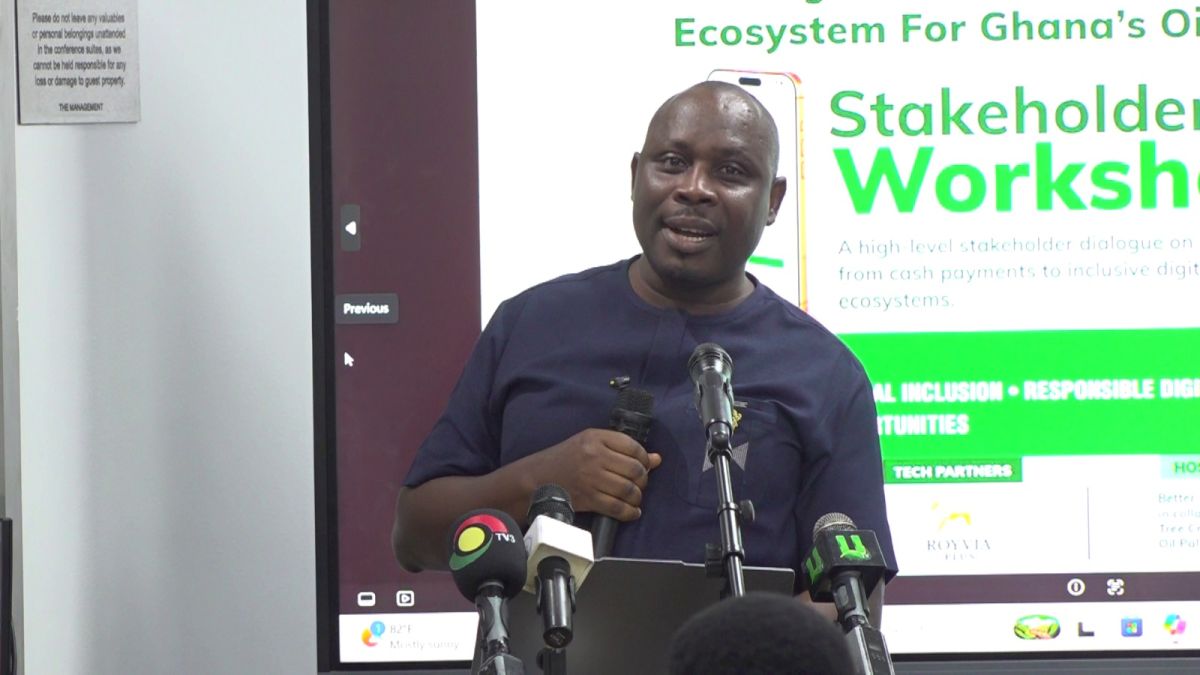
Reliable network connectivity, affordable transaction fees, accessible payment agents, interoperable systems, consumer protection and practical education were listed as essential for effective digital finance in the sector.
According to Amaning, digital transaction records, with proper consent and safeguards, could help financial institutions better understand small businesses and assess their financing needs, thereby supporting more informed credit decisions.
He called for stronger collaboration among government agencies, financial institutions, fintech firms, mobile network operators, mills, buyers and industry associations to transform Ghana’s oil palm industry.
Discussion of a traceability and revenue assurance system in development could also improve industry records and support access to financial services, he added.
“Policies and financial solutions will be more effective when the voices of farmers, processors, and other industry participants are heard and reflected in their design,” Amaning said.
Ghana’s oil palm sector is poised for growth, but achieving that potential will require coordinated effort across the entire value chain and a focus on both production and technology.