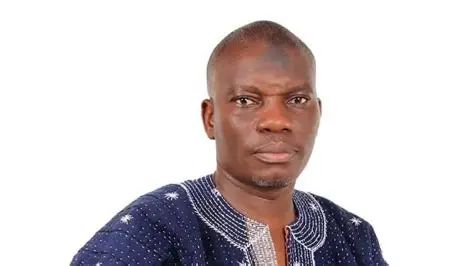
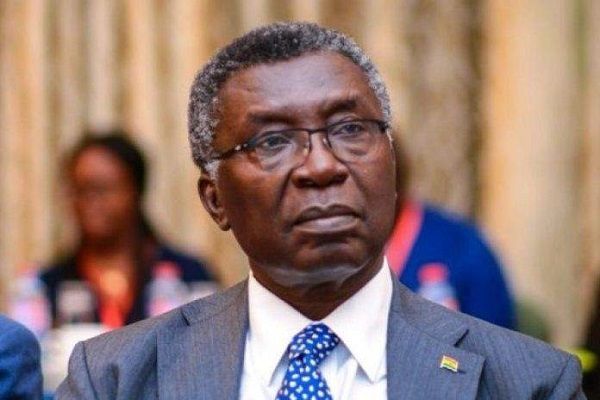
Prof Kwabena Frimpong‑Boateng, the former Minister for Environment, Science, Technology and Innovation, said Ghana will need an estimated $21 billion to reclaim and restore lands degraded largely by illegal mining and other destructive activities.
He warned that about 10 % of Ghana’s surface area – roughly 23,853 square kilometres – has been degraded, leaving the country with a massive environmental restoration bill.
Speaking at the Fourth Annual Colloquium organised by the Department of Political Science Education at the University of Education, Winneba, Prof Frimpong‑Boateng delivered the keynote address on Wednesday, September 2, 2026. The event was held under the theme, “Politics, the Environment, and Our Future: Ghana at Crossroads?”
He added that restoring the Ankobra River alone would cost about $400 million, not counting the rehabilitation of other polluted water bodies, including the Pra, Offin, Birim, Anum, Oda and the Black, White and Red Volta rivers.
Frimpong‑Boateng, who chaired the Inter‑Ministerial Committee on Illegal Mining between 2017 and 2021, described galamsey as “the largest environmental crime in our history”. He warned that the destruction of forests and water bodies is exposing mining communities to toxic substances such as mercury, arsenic, lead, cadmium and chromium, which could cause neurological damage, cancer, kidney failure and pregnancy complications.
Galamsey has intensified over the years, causing widespread destruction of farmlands, forests and major rivers, particularly in mining communities across the Ashanti, Eastern, Western and Western North regions.
Successive governments have introduced military operations, task forces, mining bans and alternative livelihood programmes to curb the menace. However, the former minister argued that these interventions have repeatedly failed because governments abandoned enforcement measures and institutional safeguards after announcing them.
He called for the establishment of an independently governed Environmental Restoration Fund, financed by a defined share of mineral royalties, to support river remediation and land reclamation.
What follows is a call to action for lawmakers and stakeholders to secure the necessary funding and institutional framework to address the environmental crisis caused by illegal mining.