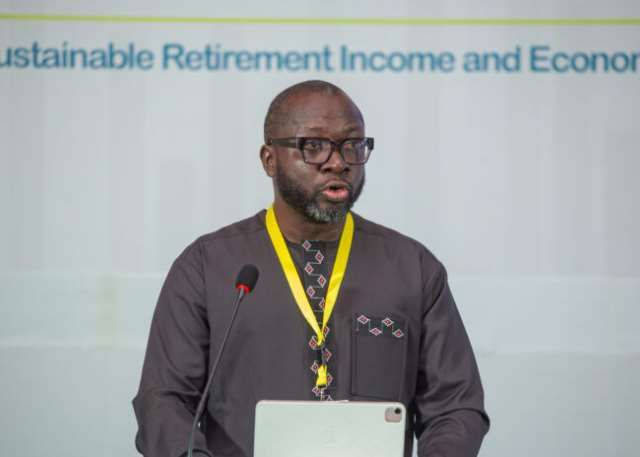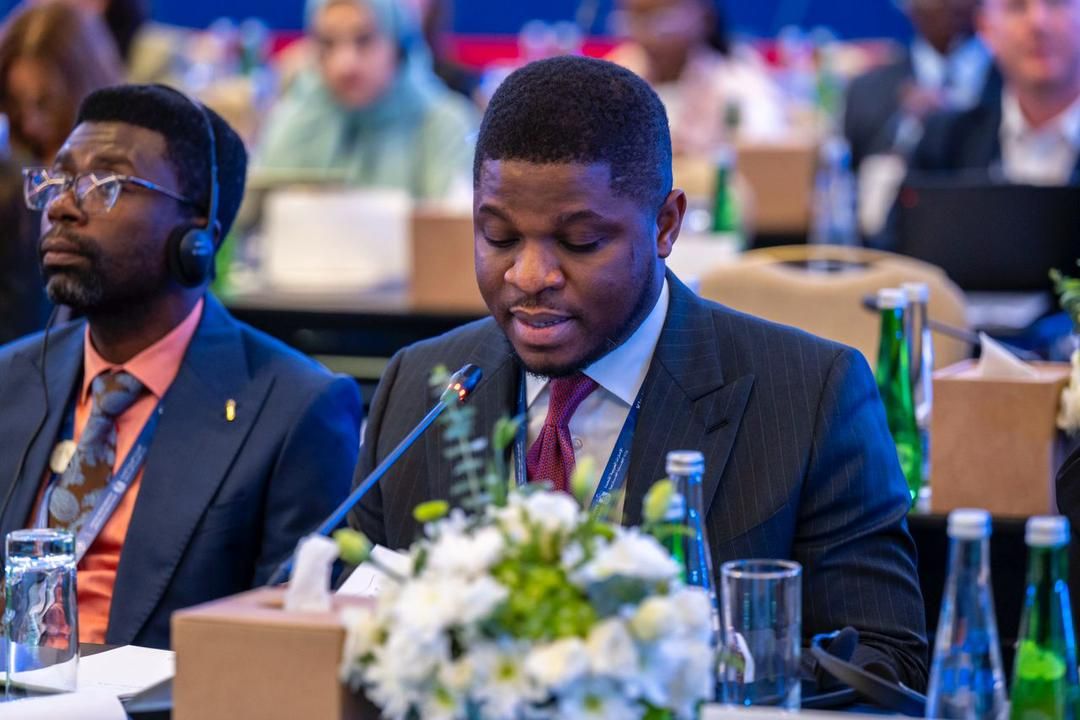

GCB Bank’s Head of People & Culture, Nana Kwabena Yeboah, spoke at the 7th Biennial HR Conference of the Ghana Chamber of Mines in Accra, stressing that the rapid adoption of automation and artificial intelligence presents both risks and opportunities for the mining sector. He urged organisations to rethink talent planning, development and deployment to stay relevant in an era of technological change.
During a breakout session on “Skills and Workforce Planning in an Era of Automation, AI and Energy Transition,” Yeboah argued that emerging technologies should not be viewed solely as a threat to jobs but as a chance to build safer, smarter and more productive workplaces. He called for workforce planning that moves beyond headcount projections to focus on the work that needs to be done, the skills required and the capabilities employees must develop.
Yeboah identified curiosity, adaptability, resilience and digital fluency as critical capabilities for the future. He warned that reskilling initiatives are most effective when they are linked to real future roles and business requirements rather than training for training’s sake. He cited GCB Bank’s Digital Academy, where employees undergo a structured six‑month digital skills programme, as an example of a future‑ready approach.
Emphasising that digital transformation is a people issue first, Yeboah highlighted the need for transparent communication, employee engagement and credible transition pathways. He urged organisations to recognise that not every employee aspires to management and to offer dual‑career pathways that allow advancement through either management or specialist tracks.
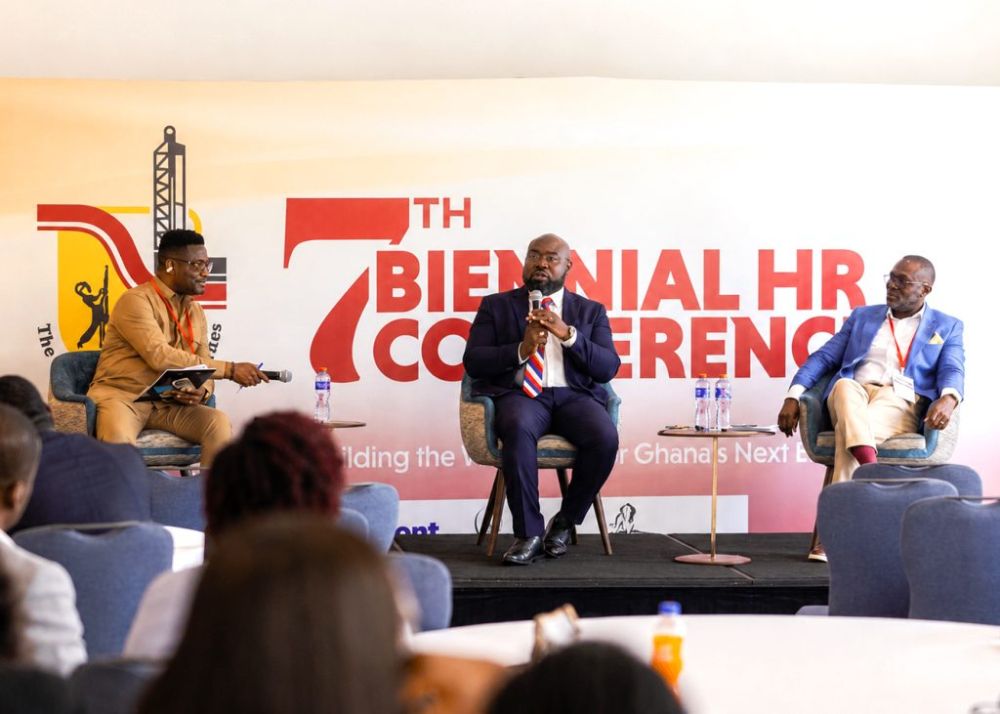
The speaker also called for greater use of workforce analytics and credible research to anticipate capability gaps before they become operational constraints. He stressed the importance of collaboration between mining companies, universities, TVET institutions and other partners, especially for specialised skills that require several years of training.
Yeboah encouraged mining firms to work collectively through the Ghana Chamber of Mines to develop talent pipelines and improve women’s participation in the workforce. He advocated continuous learning and micro‑learning to help employees acquire relevant skills in smaller, more frequent interventions. He also suggested looking beyond the sector for transferable skills from industries such as financial services and other service sectors.
In closing, Yeboah reinforced the need for organisations to prepare their people alongside technology investments, with workforce planning, employee development and industry collaboration emerging as critical pillars for building a future‑ready mining sector.