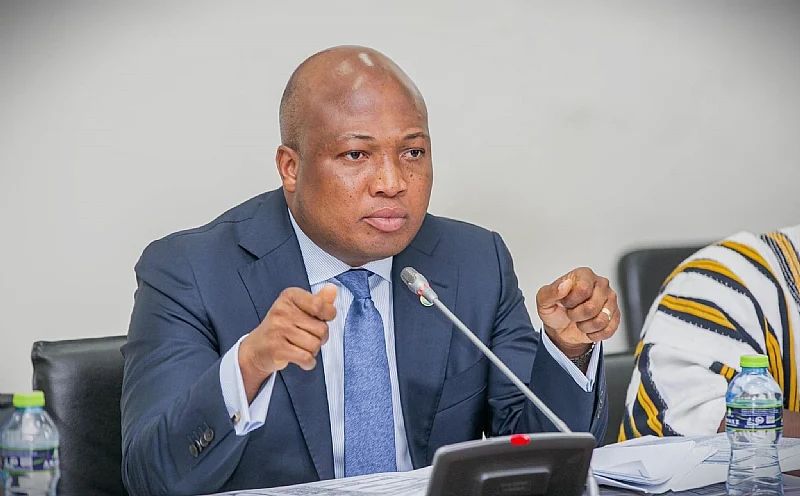
MP Frank Annoh‑Dompreh, Minority Chief Whip for Nsawam‑Adoagyiri, warned Parliament today that Ghana’s rising food surplus is turning into a crisis for farmers and market women who cannot sell their produce. He said the country’s increased output of maize, rice, cassava, yam, soya beans and other staples is not matched by demand, leaving many producers priced below their costs and unable to cover loans, wages or future planting.
Annoh‑Dompreh highlighted that the problem extends beyond oversupply to failures in storage, processing, transport and distribution. He noted that market women often cannot find buyers because consumers lack the purchasing power to buy the goods they bring to market.
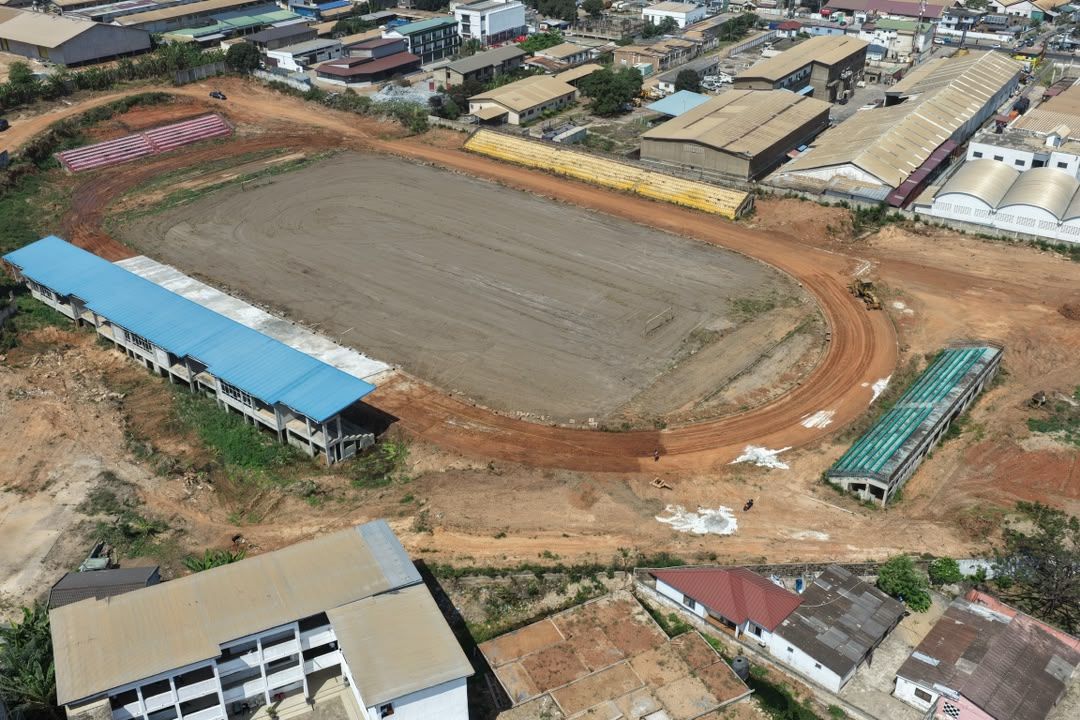
He urged Parliament to investigate the gap between the National Food Buffer Stock Company’s (NAFCO) reported 129,000‑tonne capacity and the 40,000‑44,000 tonnes actually usable, despite government funding of GH¢300 million for strategic reserves. He also cited a June 2026 report that 45 licensed buying companies had been registered, with GH¢100 million and an additional GH¢200 million budgeted for the 2026 fiscal year.
To address the crisis, Annoh‑Dompreh proposed a seven‑point intervention: an emergency food‑purchasing programme through NAFCO, priority procurement by public institutions, urgent audits and rehabilitation of storage facilities, expansion of drying, grading and cold‑chain services, development of value‑added products, improved distribution through aggregation centres, and digital market information partnerships.
He warned that if the issue is left unchecked, Ghana could shift from a food glut to food shortages, deepening rural poverty and weakening household purchasing power. He cited several constitutional provisions that obligate the State to promote economic development, support agriculture and ensure citizens’ access to necessities.
The MP called for coordinated action to preserve, purchase and distribute agricultural produce, arguing that the inability to do so over an extended period threatens national resilience and food security.