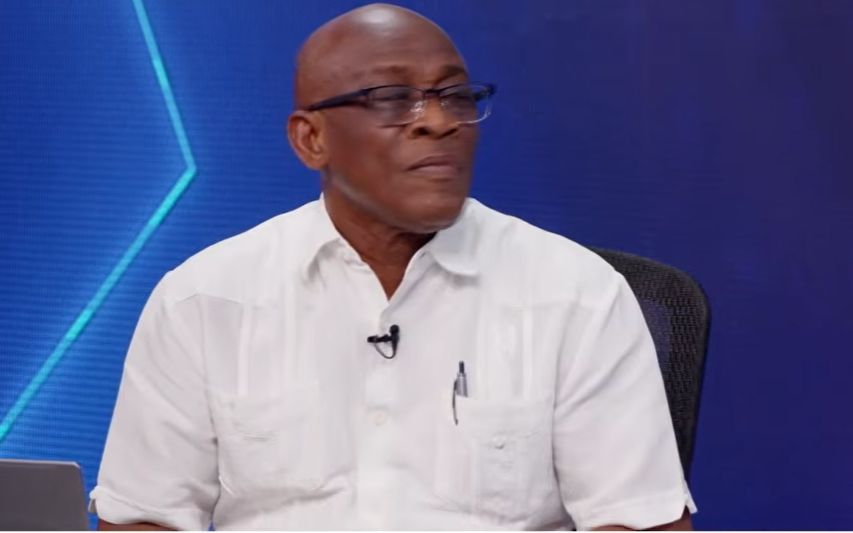
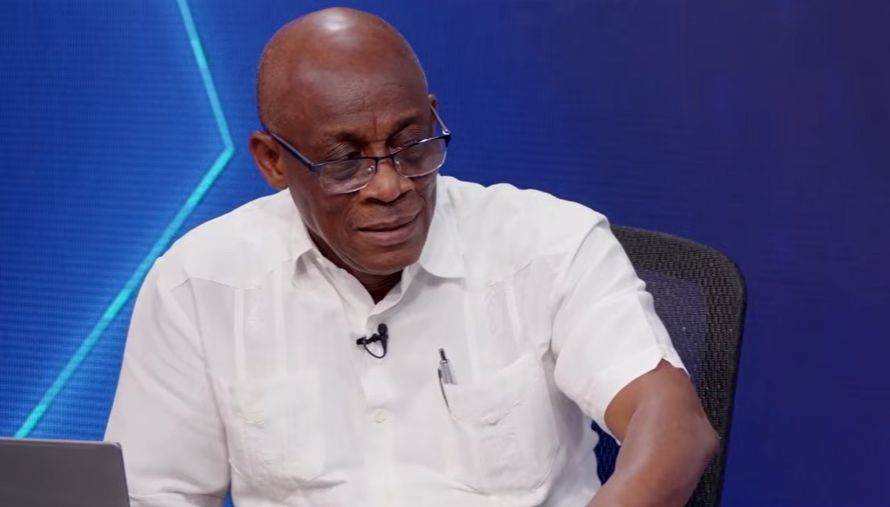
Former Finance Minister Seth Terkper spoke on JoyNews’ PM Express on Thursday, November 26, warning successive governments that Ghana should not repeat the borrowing practices that led to its debt crisis. He cited the country’s experience under the Heavily Indebted Poor Countries (HIPC) initiative, subsequent debt defaults and the Domestic Debt Exchange Programme (DDEP) as a permanent reminder of the consequences of excessive borrowing.
Terkper said the economic difficulties inherited by the current administration had been addressed to some extent, making it necessary to establish stronger foundations for sustained stability and growth. “Now that we have gone through HIPC, we have gone through defaults, we would hope that there would be a national understanding that you cannot keep borrowing and borrowing after HIPC, after default,” he said.
The former minister defended the importance of the government’s debt repayment preparations, particularly the use of the Sinking Fund to meet obligations to investors. He explained that the fund was established to set aside resources for debt repayments, including obligations arising from the domestic debt restructuring, and said the planned buyback of bonds could help restore confidence in the market.
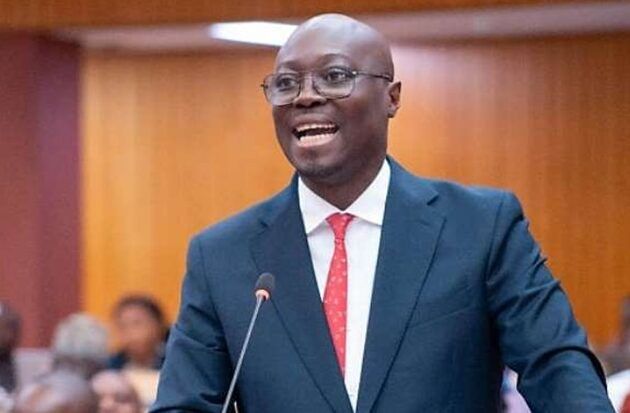
The 2027 Budget outlines plans to continue monthly transfers equivalent to seven per cent of gross domestic non‑oil tax revenue into the Cedi Sinking Fund, alongside targeted domestic bond issuances, to build resources for upcoming debt obligations and reduce refinancing risks. Finance Minister Dr Cassiel Ato Forson said the fund held GH¢29 billion as of November 11, 2026, sufficient to cover the principal on domestic bonds falling due in February 2027, with the government also announcing plans to settle that obligation ahead of schedule.
Terkper cautioned against assuming that changes to economic and fiscal projections in the 2027 Budget were deliberately intended to mislead the public. He explained that budget estimates were prepared months before the fiscal year and could be overtaken by developments that were difficult to predict, such as weather conditions, revenue performance and the outcome of negotiations with organised labour.
He recalled that in March 2016, during his tenure as Finance Minister, the government had to return to Parliament to seek approval for a reduction in the budget after economic conditions and expenditure pressures made the original estimates difficult to sustain. He also cited outstanding commitments and negotiations with organised labour as factors that could alter expenditure projections, particularly where payment arrangements had to be spread over time to avoid placing additional pressure on public finances.
Calling for the sustained implementation of reforms, Terkper warned that the challenge for finance ministers is to manage those developments while maintaining fiscal stability and ensuring that budgets reflect the country’s actual financial position. He urged a national commitment to responsible debt management to prevent a return to the cycle of fiscal expansion, debt distress and economic adjustment that had previously affected Ghana.