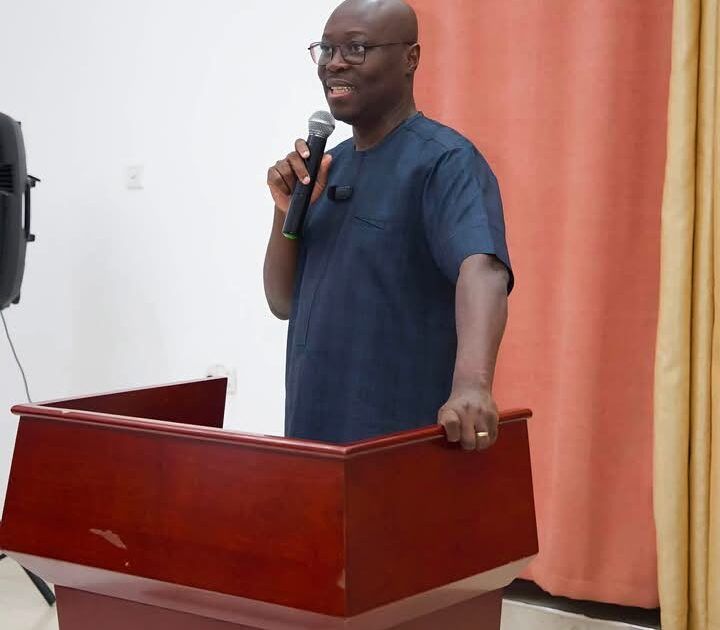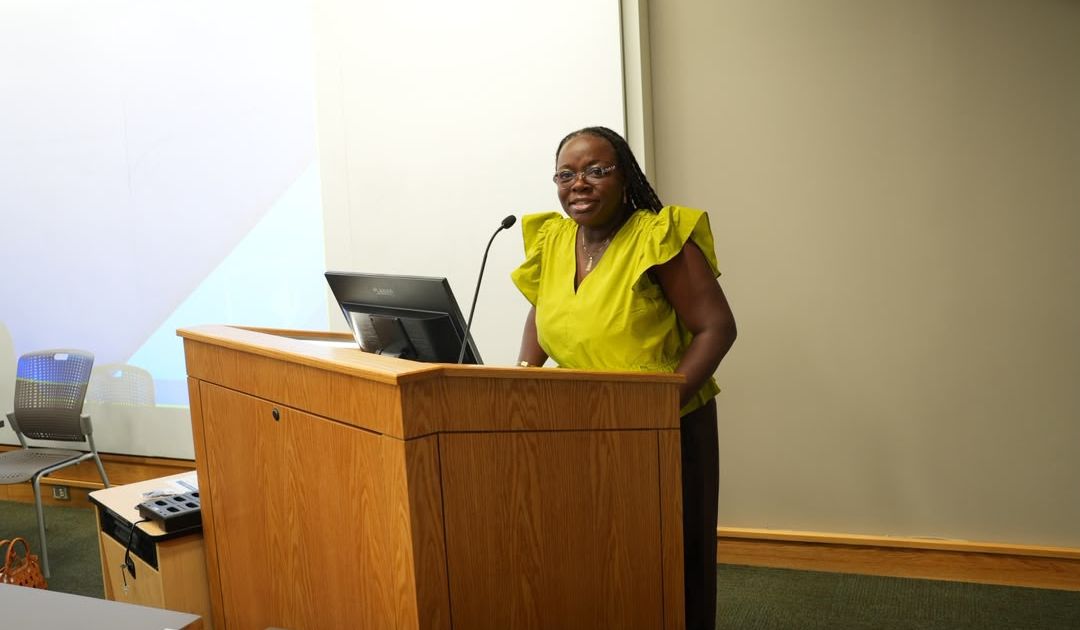
During a recent lecture hosted by the Danquah Institute, Dr Mustapha Hamid, a research fellow and former Managing Director of the National Petroleum Authority, urged Ghana’s political leaders to be evaluated on character, competence and integrity rather than religious identity. He highlighted that the Christian God is Trinitarian while the Muslim God is strictly monotheistic, noting that both faiths affirm a single deity but differ in interpretation. Hamid warned that the real danger lies not in a Christian or Muslim becoming president, but in letting religious affiliation replace the qualities that should define public office.
He cited historical examples of Ghana’s diverse leaders—Kwame Nkrumah, Jerry John Rawlings, John Dramani Mahama and Nana Addo Dankwa Akufo‑Addo—whose faiths did not override their constitutional duty to all citizens. “Public leadership should be evaluated primarily by character, competence, integrity and service—not by religious identity,” he said. He called for a standard that applies consistently to every political actor, regardless of party, ethnicity or region.
Hamid also warned that highly educated religious professionals can still abuse their positions, pointing to failures in justice, healthcare and finance where ethical lapses undermine public trust. He concluded that reducing a political figure to their faith impoverishes democratic debate and sets a dangerous precedent.
Observers are urged to scrutinise candidates’ policy record and moral courage instead of their religious belonging, ensuring that Ghana’s democracy remains healthy and inclusive.