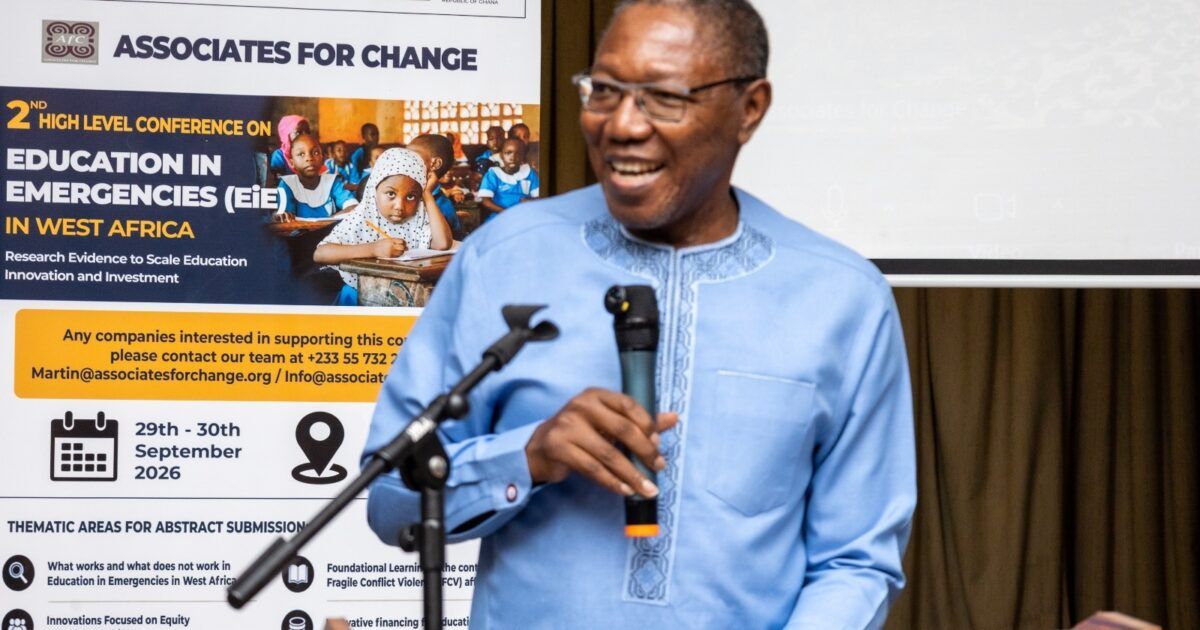
At the Second High‑Level Conference on Scaling Education Initiatives in Emergencies (EiE) West Africa – ACCELERATE+ – held in Accra on 29‑30 September, Deputy Minister for Education Dr Clement Apaak urged West African states, policymakers and development partners to base education investments on evidence.
Speaking on behalf of Education Minister Haruna Iddrisu, Apaak warned that emergency education programmes have long been driven by urgency rather than data, risking wasted resources and ineffective support for children.
He highlighted the region’s overlapping crises – Sahel insecurity, climate‑related disasters, displacement, public health emergencies and economic pressures – and noted that the impact is uneven, with girls, children with disabilities, rural households and the vulnerable bearing the greatest burden.
“When education stops, the damage goes beyond lost lessons. Protection, nutrition, hope and the region’s future prosperity go with it,” he said, stressing that foundational learning, especially literacy and numeracy, must remain central to emergency responses.
Dr Apaak cited Ghana’s COVID‑19 experience, where radio, television and online platforms were used but left the most disadvantaged behind, underscoring how a health crisis can quickly become an education crisis.
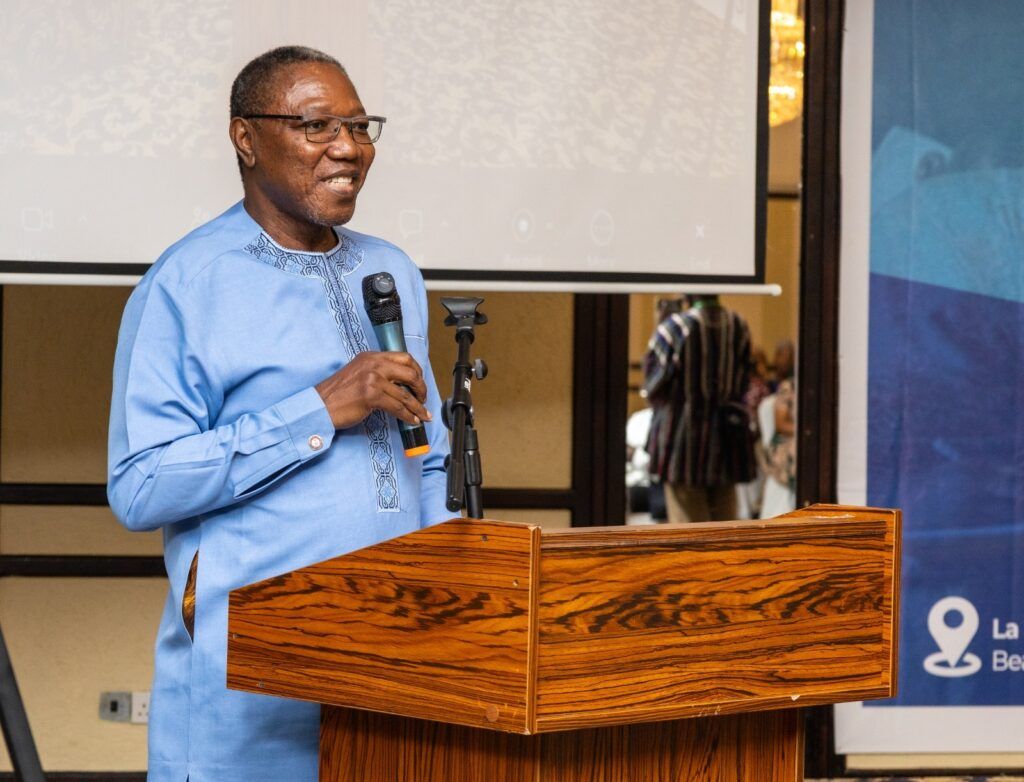
He outlined four key investment priorities for West Africa: 1) build resilience before crises through risk analysis, contingency planning and safer school infrastructure; 2) scale proven interventions beyond pilots, such as Accelerated Education Programmes and low‑technology remote learning; 3) keep equity at the core, ensuring girls, disabled children and displaced children are not excluded; and 4) strengthen domestic financing and regional cooperation, with development partners supporting but not owning the agenda.
The conference, which gathered policymakers, researchers, practitioners, innovators and financiers, aimed to examine evidence on foundational learning, gender equality, social inclusion and cost‑effectiveness of education interventions.
Dr Apaak concluded that success should be measured by learning gains among children most pushed out of classrooms, not merely by policies or pledges.