
The Ghana Cocoa Board (COCOBOD) is preparing to raise up to GH¢16 billion annually through locally issued commercial papers and bonds to finance cocoa purchases and strengthen the Board’s financial position.
The new financing arrangement represents a major shift from COCOBOD’s long-standing dependence on syndicated loans to fund the purchase of cocoa beans from farmers.
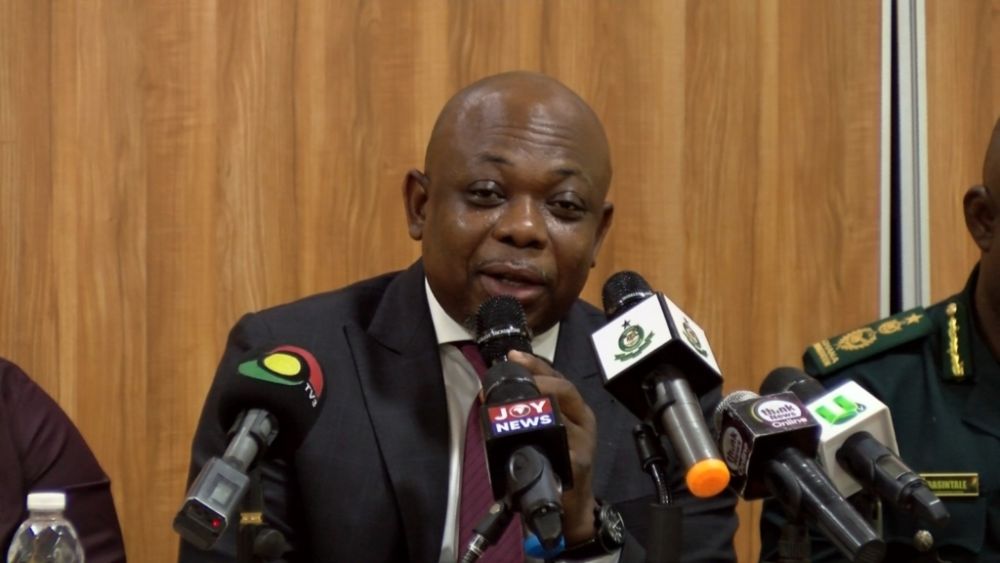
COCOBOD Chief Executive Officer, Dr Randy Abbey, disclosed the plan at a media sensitisation programme on the proposed Ghana COCOBOD Bill, 2026.
According to Dr Abbey, COCOBOD intends to begin issuing 270-day commercial notes this month, with the programme expected to run over the next five years.
He said transaction advisers and bond market specialists were already working on the arrangements to ensure the new financing system is implemented successfully.
“We need to raise the money this month,” Dr Abbey said, expressing confidence that the domestic market has enough liquidity to support the programme.
He explained that COCOBOD would not necessarily raise the full amount required to purchase cocoa in a single transaction.
For instance, if the Board needs GH¢26 billion to finance cocoa purchases, it could initially raise about GH¢13 billion, use the funds to purchase cocoa and rotate the money during the 270-day period.
The approach, he said, would allow COCOBOD to finance the crop without taking on the full cost of borrowing GH¢26 billion at once.
Tackling cocoa debt
The new financing model is also intended to help COCOBOD manage its outstanding cocoa-related debt.
The Board currently faces deferred obligations of about GH¢26 billion annually for 2026, 2027 and 2028 following the restructuring of cocoa bills under Ghana’s Domestic Debt Exchange Programme.
Dr Abbey said COCOBOD plans to refinance some of these obligations over a longer period, potentially five years, to reduce the pressure created by having to make large annual repayments.
Under the proposed arrangement, COCOBOD would float bonds annually from 2026 through 2028 as part of efforts to address the debt obligations.
The CEO said spreading the repayments over a longer period would make the financial burden more manageable for the Board.
Move away from foreign financing
For more than three decades, COCOBOD relied heavily on syndicated loans, particularly to finance cocoa purchases.
However, Ghana’s economic crisis and subsequent debt restructuring affected the country's access to international financing markets, making the traditional model increasingly difficult to sustain.
COCOBOD has therefore turned to the domestic market, with the new instruments expected to be denominated in Ghana cedis.
Dr Abbey said local pension funds and other investors could provide significant liquidity for the new financing structure.
The Board will also establish a special purpose vehicle to support the new funding model and bring together technical expertise and resources needed to execute the programme.
Ghana and Côte d’Ivoire align cocoa seasons
Dr Abbey also disclosed that Ghana and neighbouring Côte d’Ivoire have agreed to align the opening of their cocoa seasons.
Beginning this year, both countries are expected to open their respective cocoa seasons in September, although the exact dates may differ.
The decision is partly aimed at tackling challenges created by different marketing seasons, which have reportedly been exploited by cocoa smugglers seeking better prices across the two countries.
Ghana and Côte d’Ivoire are the world's two leading cocoa producers, making cooperation between the countries particularly important to the stability of the regional cocoa industry.
The development comes at a challenging period for the global cocoa market, with international cocoa prices having fallen significantly from the highs recorded in 2024.
COCOBOD's new domestic financing strategy is consequently expected to play an important role in ensuring that the Board can continue purchasing cocoa from farmers while managing its existing financial obligations.