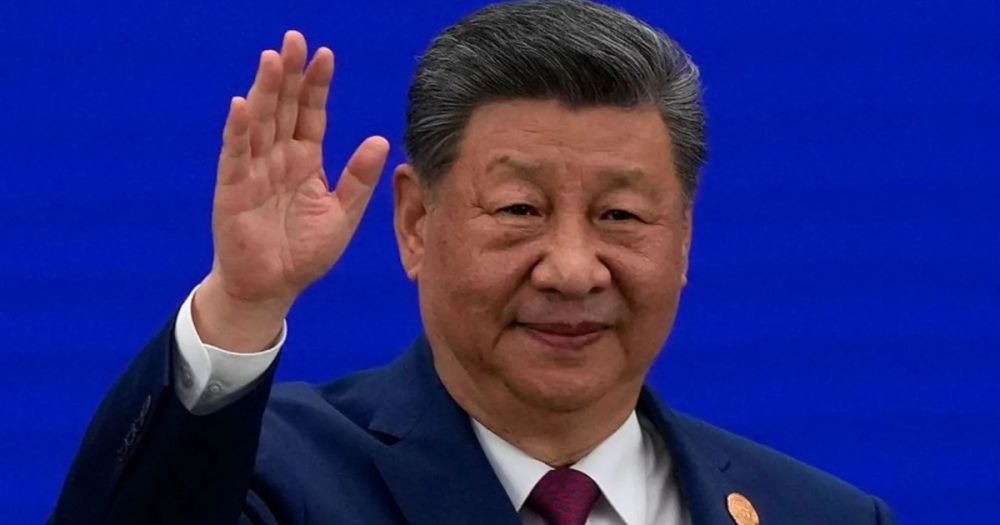
China’s foreign ministry spokesperson Guo Jiakun denounced what it called "threat narratives" surrounding artificial intelligence on Monday, saying such rhetoric only disrupts the process of global AI governance. He urged all parties to advance the technology in an open, inclusive, and beneficial manner, stressing that collaboration is essential to mitigate risks.
Guo’s remarks come amid heightened tensions between the United States and China over AI development. While U.S. leaders, including former President Donald Trump, have pushed for a rapid lead in the sector, Chinese officials—including state security minister Chen Yixin—have highlighted the need to balance innovation with security and ethical safeguards.
Industry voices in the U.S. have also called for a slowdown. Anthropic CEO Dario Amodei and former researcher Jacob Coxson warned of existential risks if AI advances unchecked. OpenAI chief executive Sam Altman and Microsoft CEO Satya Nadella echoed the need for broader oversight to keep pace with model capabilities.
China has taken steps to shape international AI norms, establishing the World AI Cooperation Organisation in July and proposing an open‑source AI community at the recent BRICS summit. Beijing’s stance suggests it seeks to work with the U.S. to monitor model deployment and address vulnerabilities, despite the competitive edge the U.S. currently holds.
As U.S. and Chinese officials prepare to meet at the White House and in economic planning discussions, the two powers face a dilemma: accelerate AI development or collaborate to prevent a dangerous race. Analysts warn that a durable Chinese lead could shift strategic dynamics, while a U.S. advantage is seen as a win for technology supremacy.
China’s call for cooperation signals a desire to avoid a hostile, unilateral approach to AI governance, even as global debate over regulation intensifies.