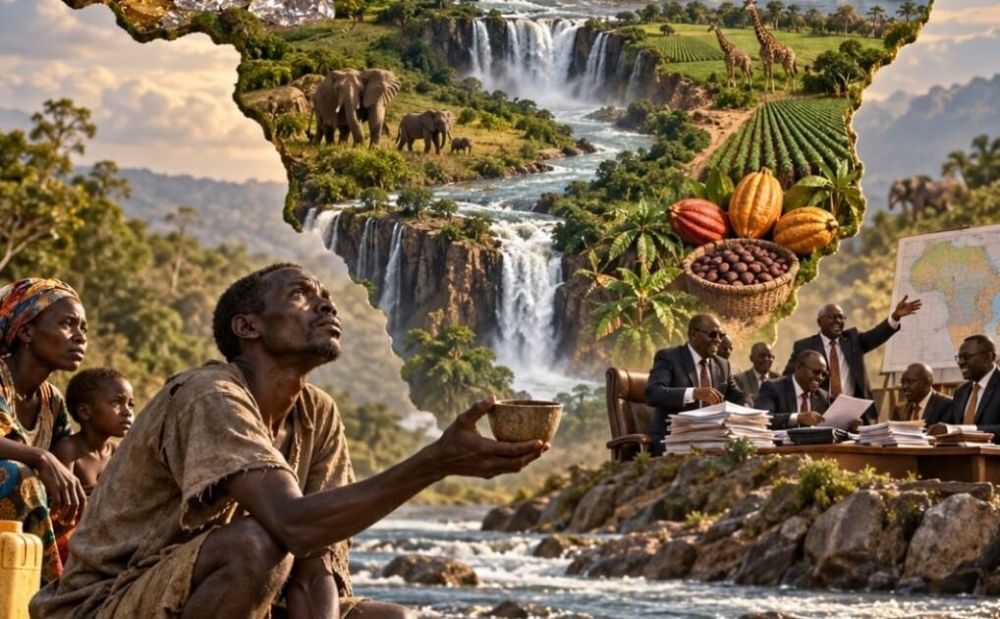
On 4 September, the United Nations General Assembly approved the “Correct the Map” initiative, calling on governments, schools and technology companies to abandon the Mercator projection that distorts Africa’s appearance on world maps. The Mercator map enlarges polar regions and compresses equatorial zones, making Africa look smaller than its 30.4 million square kilometres of land actually cover.
Social media erupted with celebrations as Africans felt their continent finally recognised for its true scale. The initiative aims to correct the visual narrative that has long under‑represented Africa’s vast resources – from gold and diamonds to oil, gas, fertile soils and abundant sunshine.
Despite the continent’s wealth, many African nations still struggle with development gaps. Critics note that Africa continues to export raw materials such as cocoa, crude oil and gold while importing finished goods and refined petroleum. Agriculture, though blessed with sunshine and fertile land, still sees supermarkets stocked with imported foods, and many farmers face idle plots while officials attend international conferences on food security.
Political cycles often reveal a pattern: after elections, treasuries appear depleted, roads remain unfinished, hospitals lack supplies, and industrial growth is largely theoretical. Meanwhile, delegations study how developed countries achieved progress, while Africa’s own potential remains untapped.
“In the abundance of water, the fool is thirsty,” a proverb echoed by African elders, highlighting the paradox of abundant resources yet persistent thirst for development. The Correct the Map initiative seeks not only to change the visual representation but also to shift the mindset that Africa’s size and wealth are not enough to guarantee prosperity.
Moving forward, the UN and partner organisations will work with African governments to adopt alternative map projections and integrate African data into global platforms, aiming to reshape both perception and policy.