Ghana’s new 24‑Hour Economy Authority Act, signed into law in February 2026, is poised to transform the country’s industrial landscape by encouraging businesses to operate beyond daylight hours. President John Dramani Mahama has clarified that the initiative is not merely about night work but about harnessing idle productive capacity and modernising value chains across agriculture, manufacturing, logistics and digital services.
Despite the legislative promise, the policy’s effectiveness will depend on how well it addresses four key bottlenecks that have historically restrained MSME productivity. First, a financing gap of roughly 6% of GDP limits the ability of SMEs to cover the 18% rise in working‑capital needs that shift operations entail. Traditional collateral requirements, noted by Presidential Advisor Goosie Tanoh, often demand physical assets that stifle innovation. Second, energy reliability remains a critical hurdle; Ghana’s System Average Interruption Duration Index exceeds 540 minutes per year, costing light manufacturing nearly GH¢380 million in outages. High electricity rates of US$0.13–0.17 per kWh erode competitiveness, as highlighted by Ewool Emmanuel, CEO of ESERB.
Third, labour‑market rigidities and transport bottlenecks deter shift adoption. Night‑shift premiums can reach 20%, and limited public transport after sundown reduces female participation to below 19% of night‑shift jobs. Fourth, digital and logistics frictions persist: fewer than 31% of SMEs accept electronic payments and last‑mile delivery costs absorb almost 18% of retail price after 20:00, a point stressed by GEA CEO Margaret Ansei.
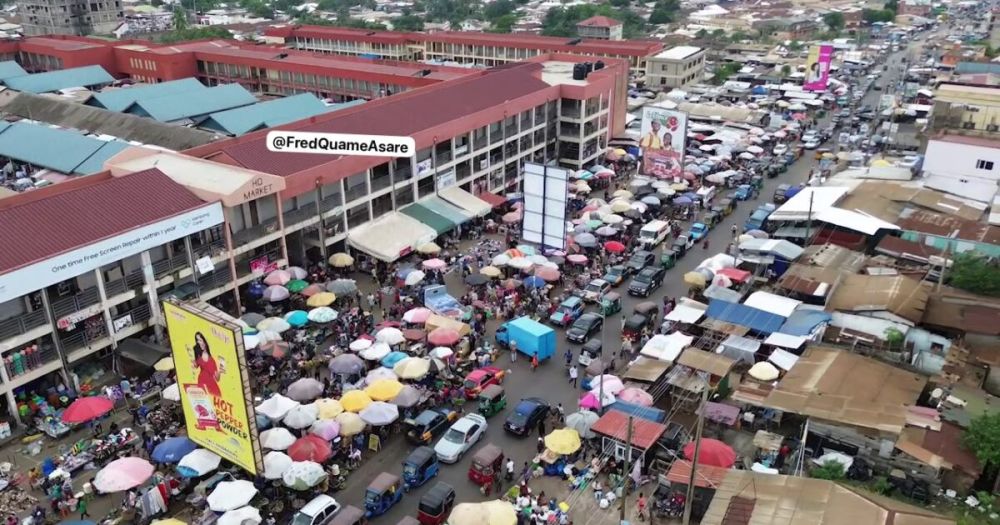
The government has rolled out a comprehensive policy toolkit to tackle these challenges. The Ghana Venture Capital Trust Fund has partnered with the 24‑Hour Economy Secretariat to create a patient‑capital vehicle, mobilising over GH¢2 billion from private investors and generating more than 28,000 jobs. Energy cost reductions are on the table, with industrial tariffs slated to drop to US$0.04–0.07 per kWh for qualifying businesses. The Ministry of Trade is constructing 24‑Hour Economy Model Markets in all 261 districts, featuring solar lighting, cold storage, digital payment infrastructure and enhanced security.
Additional incentives include tax rebates for multi‑shift operations and fast‑track import duty waivers for production equipment, as advocated by the Association of Ghana Industries. The GEA is also launching programmes such as the SME Innovation and Inclusion Programme, Digitalize for Jobs and the U‑Spark Project under the UNIDO KAIZEN Expansion Initiative to strengthen governance, compliance and investment readiness.
As the country moves forward, the true test will be how effectively these interventions are implemented and whether MSMEs can overcome financing, energy, labour and digital barriers to sustain a truly 24‑hour economy.