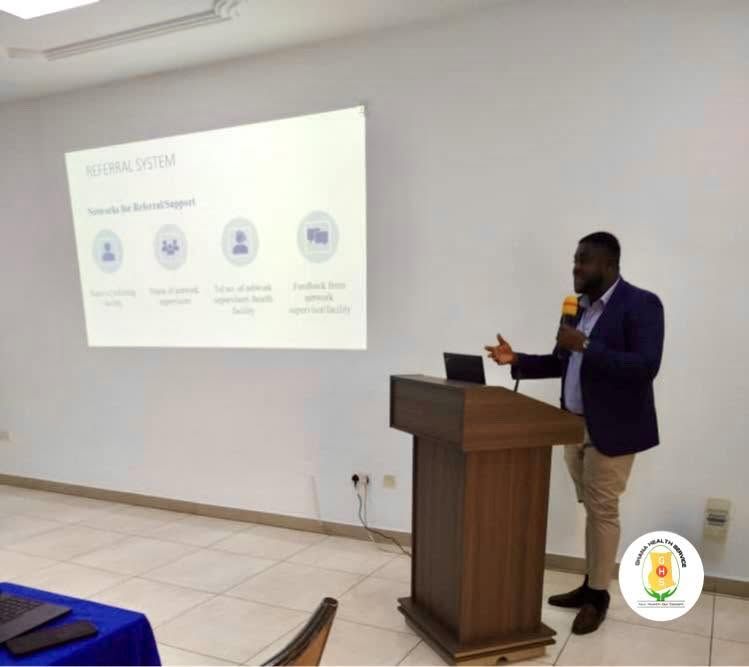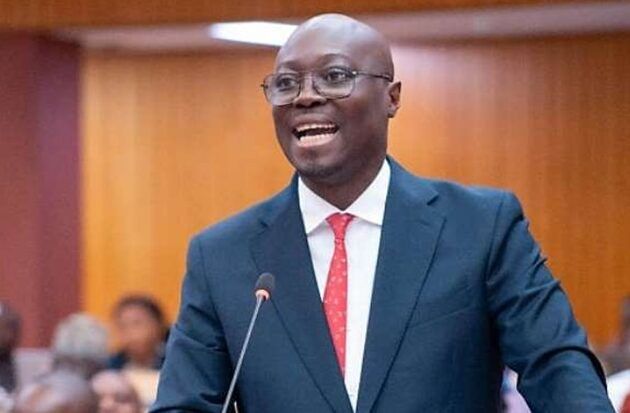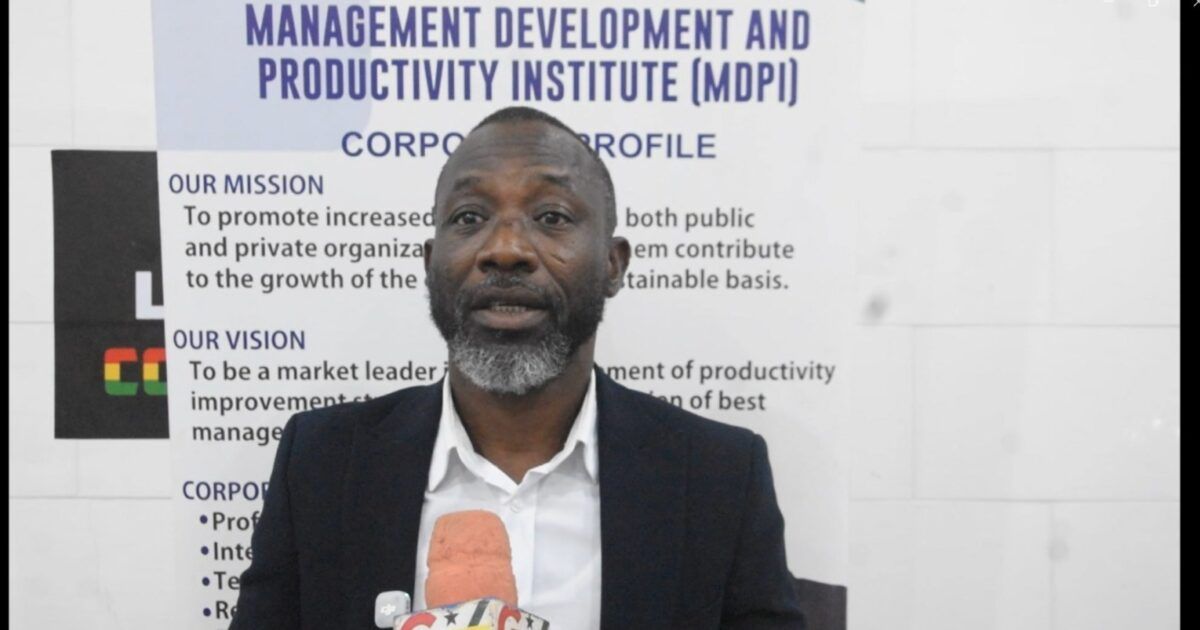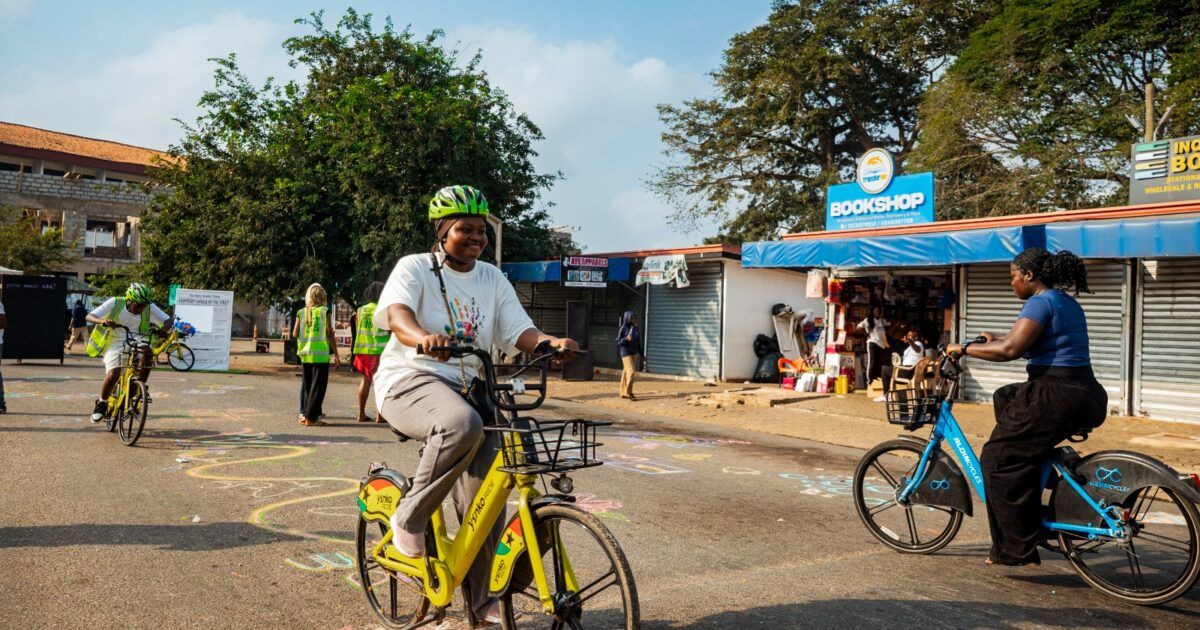
On 14 November 2026, activists from Transform Transport Accra, UrbanBetter Accra Cityzens and Global Shapers Accra staged the first Open Street Fair on Manhia Road at Abelemkpe, shutting the road to traffic for several hours. The space was filled with e‑bicycles, an electric bus, pedestrians and children playing, a stark contrast to the usual honking and idling engines.
The initiative, backed by the United Nations Environment Programme, WALK21 Foundation and Germany’s Federal Ministry for Economic Cooperation and Development, aims to re‑imagine Accra’s streets as people‑not‑cars zones. Organisers point out that cars occupy 75 per cent of road space in the city, yet most residents rely on walking or trotros for daily travel.
Road transport accounts for about 39 per cent of fine particulate matter (PM2.5) pollution in Accra, linked to high rates of air‑related deaths. National estimates place 28,000 to 32,000 deaths annually from pollution, 14 per cent of all deaths in Ghana. In the Greater Accra Region, the Environmental Protection Agency estimated 2,800 deaths in 2015, projected to rise to 4,600 by 2030 without intervention.
Founder of Transform Transport Accra, Nii Noi Omaboe, said, "Sustainable transport is not just about how we move from one place to another. It is about the kind of cities we choose to build, who gets to move freely and whose needs we consider when designing our streets."
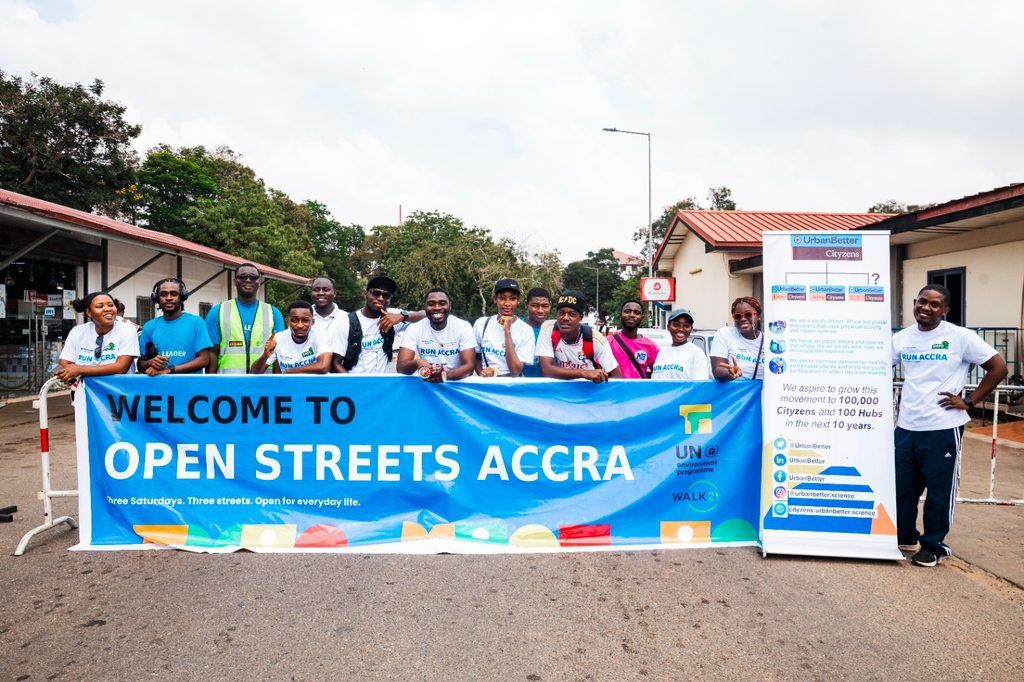
Other voices echoed the sentiment. Lord Offei‑Darko of Accra Cityzens urged, "Ask what we, as youth leaders running, walking, and collecting data on its streets, can build for a healthier, breathable Accra." Head Run Leader Adotei Jacob Nii Akwei added, "Walking and cycling should not feel like acts of courage. They should be some of the simplest, safest and most comfortable ways to get around our cities." Campaign Coordinator Ephraim Nii Ajomoku Danso echoed that view: "Our streets were never meant to serve cars alone. They are spaces for people to live, connect, work, breathe and move."
Dr. Jonathan Akuaku of Global Shapers said the initiative, part of the World Economic Forum’s Equal Air Collaborative, is a direct investment in public health: "Safe spaces for walking and cycling mean less traffic pollution, cleaner air to breathe and more daily movement for everyone."
Curator Godwin Yao Doe described the takeovers as tactical mobility experiments that challenge city design: "Our cities must prioritise people, not just vehicles, by creating safer, more accessible and inclusive spaces for pedestrians, cyclists and communities." The next activation is slated for Osu, with hopes that city authorities will earmark permanent pedestrian and cycling lanes.