
Ghana logged 592.7 reported diabetes cases per 100,000 people in 2025, a slight drop from 603.6 in 2024, according to figures released by the Ghana Health Service (GHS) Non‑Communicable Diseases Control Programme.
Although the reduction is modest, health authorities warn that the persistent burden of diabetes continues to strain the country’s healthcare system and contributes to premature deaths.
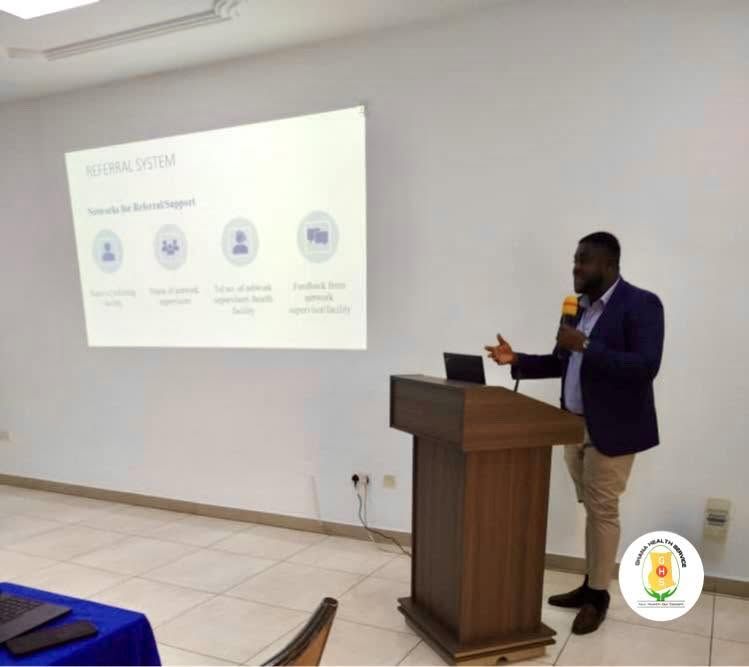
Dr Wallace Odiko‑Ollennu, Programme Manager of the GHS NCDs Control Programme, highlighted the need to strengthen preventive measures and healthcare interventions during a presentation at the launch of the CRM Patient Africa programme in Accra.
Diabetes was identified as one of Ghana’s priority non‑communicable diseases, alongside cardiovascular disease, chronic kidney disease, cancers and other chronic conditions.
Data from the Ghana STEPS Survey 2023 showed that 5.2 percent of adults aged 18 to 69 had diabetes or raised blood glucose levels, underscoring the disease’s impact on public health.
Dr Odiko‑Ollennu stressed that non‑communicable diseases are increasingly contributing to illness and premature deaths, placing considerable pressure on the healthcare system.
He said addressing the challenge required sustained investment in prevention, early detection and long‑term care, alongside stronger healthcare delivery systems.
GHS is implementing several interventions to reduce exposure to risk factors, improve early diagnosis and strengthen NCD management, including community engagement, healthcare provider training, strategic partnerships and policy implementation.
As part of these initiatives, 463 healthcare providers have been trained on Type 1 diabetes across six districts, while community screening exercises and health education programmes are underway to encourage early detection and improve access to care.
Dr Odiko‑Ollennu urged the public to adopt healthier lifestyles, advocating balanced diets, regular physical activity, healthy body weights, reduced salt consumption, and avoidance of tobacco and harmful alcohol use.
Health officials say that without intensified preventive interventions, diabetes-related complications and premature deaths are likely to rise.
Ghana’s latest figures will inform future policy and resource allocation as the country seeks to curb the growing NCD burden.