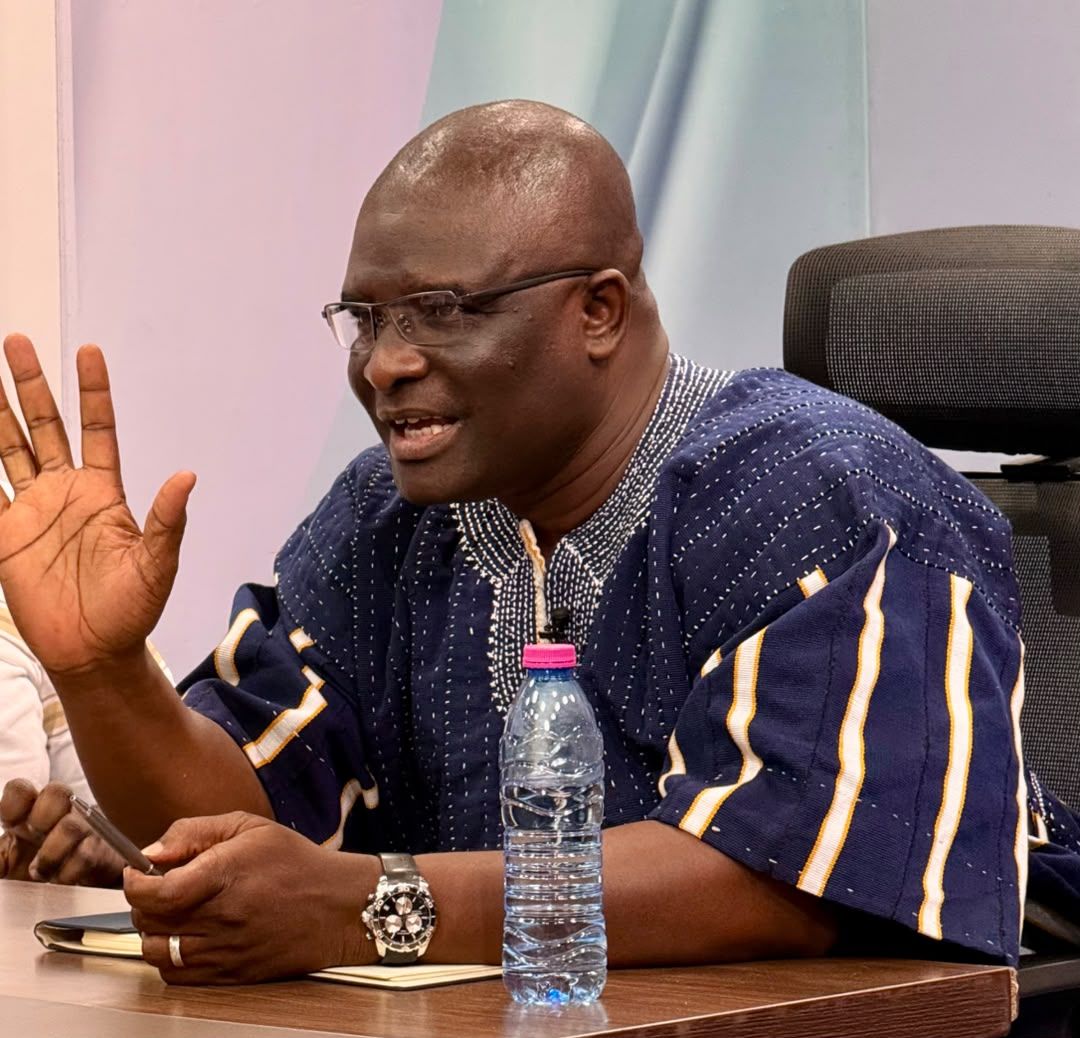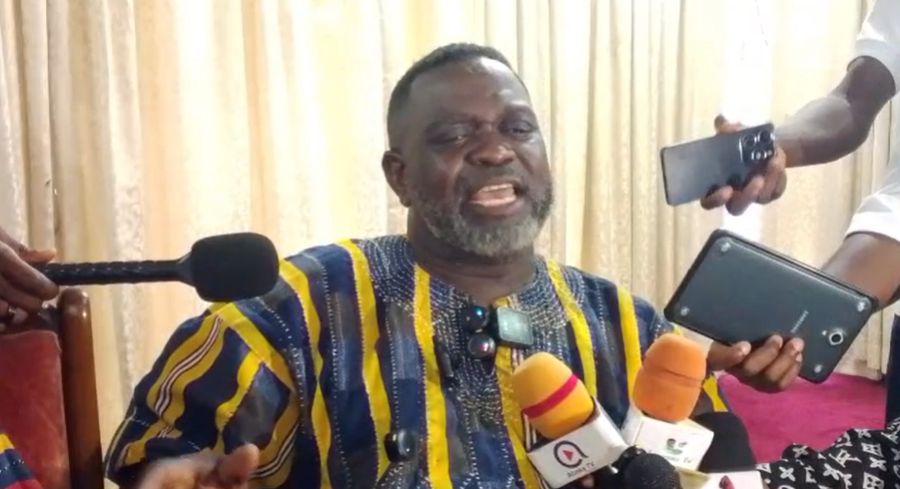
Executive Director of the Chamber of Petroleum Consumers, Duncan Amoah, has demanded constitutional reforms to address what he sees as a structural flaw in the appointment of Electoral Commission (EC) officials. Amoah argues that the current system, which grants the President significant appointment powers, makes it difficult to shield the EC from political influence, regardless of which party holds office.
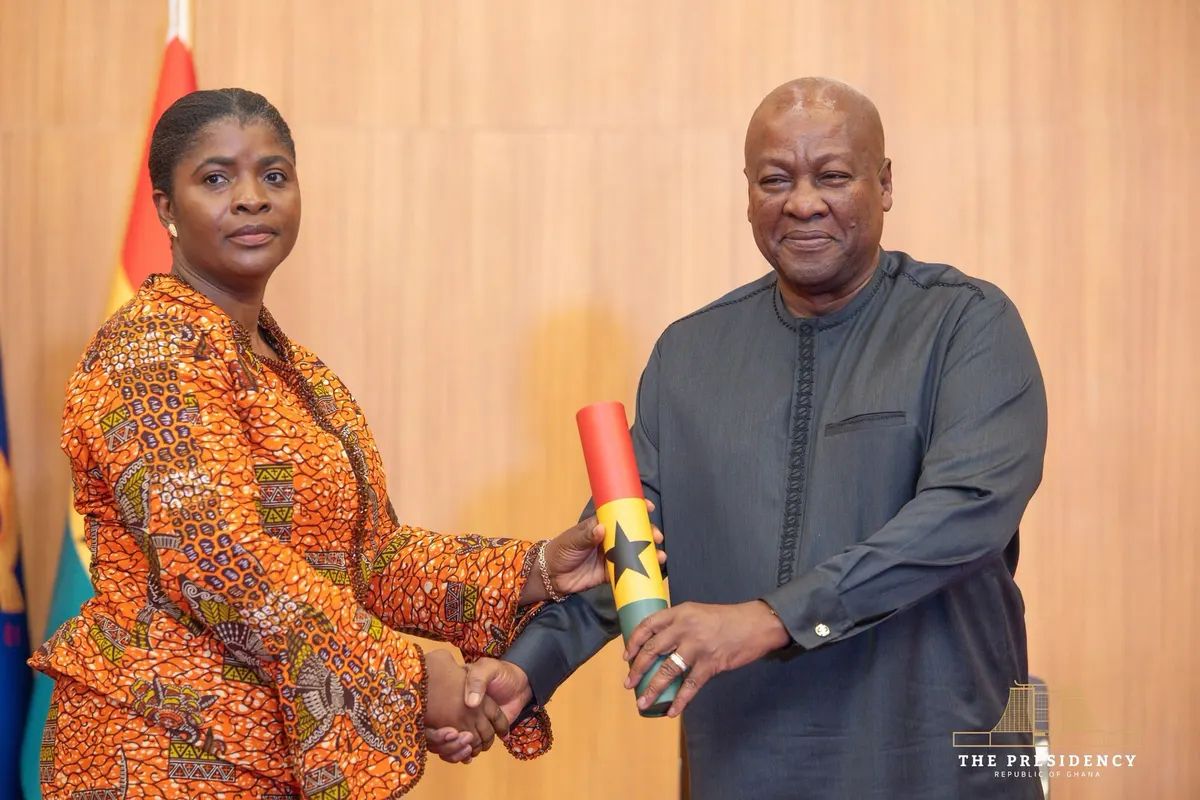
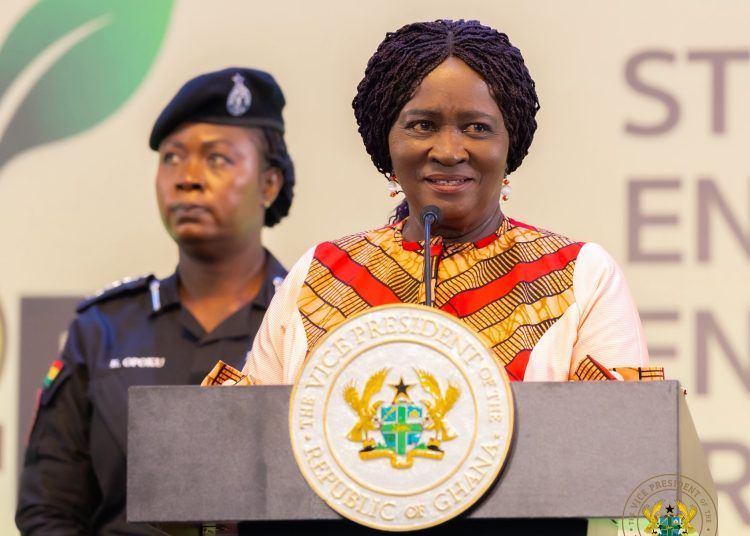
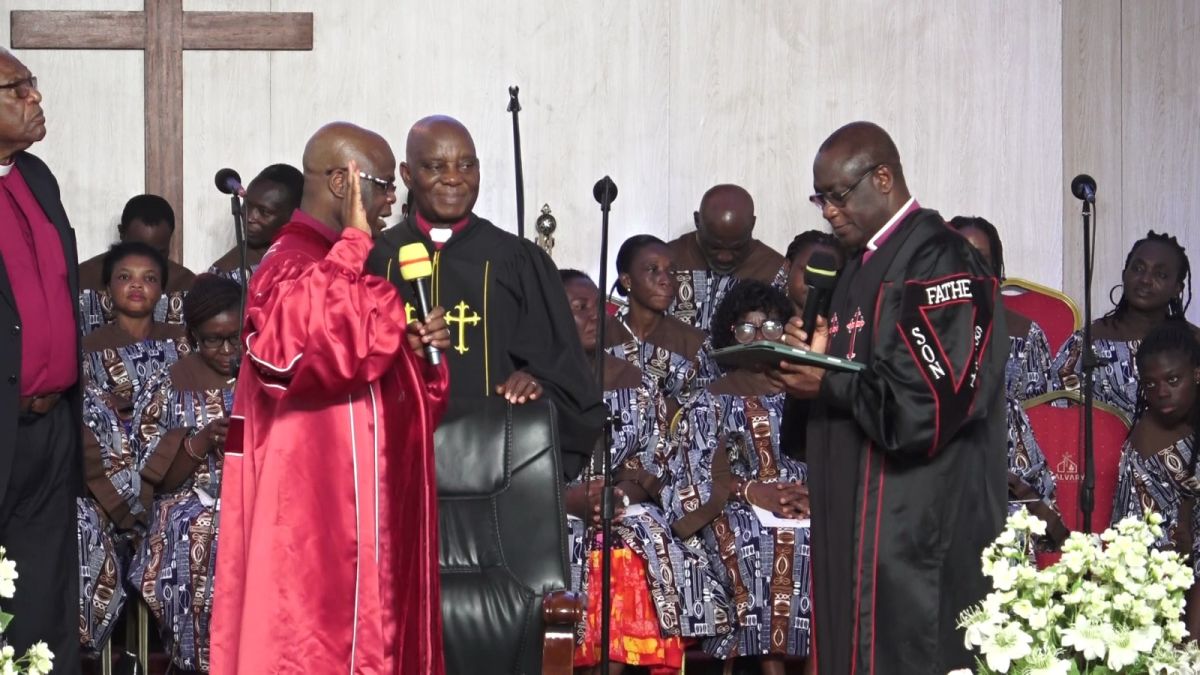
His comments come amid criticism from the opposition New Patriotic Party (NPP) following President John Dramani Mahama’s appointment and swearing‑in of Emelia Affi Agbenyo and Dr Joseph Kwaku Asamoah as Deputy Chairpersons of the EC. Ms Agbenyo, formerly spokesperson for the National Democratic Congress (NDC) Governance Committee, has faced questions about her political affiliations and suitability for the role.
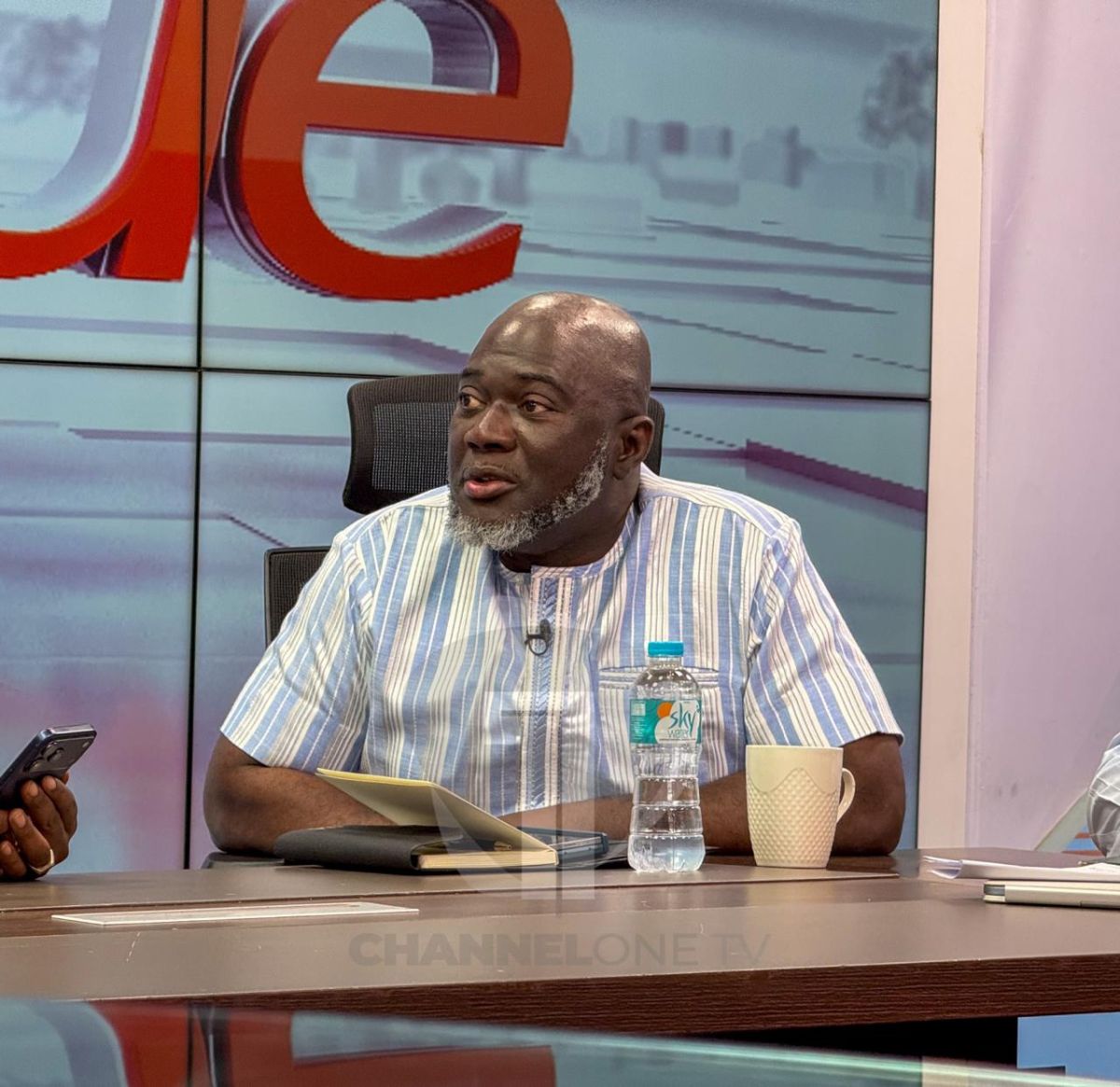
Amoah said the recurring disputes over EC appointments highlight a broader institutional problem that successive governments and parties have failed to address. Speaking on Channel One TV’s The Big Issue on Saturday, October 17, he warned that the system’s design encourages political parties to challenge the neutrality of appointees whenever their opponents are in power.
“Until we fix that problem tomorrow, if you give me a position as the President, I’ll appoint him. Not because he’s neutral or anything, but I think that the credentials will fit the bill,” Amoah said. He added that the law itself creates a defect that makes it impossible for a politically elected president to appoint people entirely detached from political affiliations.
Amoah noted that both the NPP and the NDC have benefited from the existing arrangement, criticizing appointments when in opposition and defending similar decisions when in power. He cited the appointment of Dr Bossman Asare and other EC officials under the previous NPP administration as an example of the party’s inconsistent stance.
He emphasized that the EC’s primary role is to count votes and declare results in accordance with recorded figures, insisting that public confidence should be built on the integrity of its work rather than assumptions about the political backgrounds of individual officials. Amoah called on both major parties to support reforms that would prevent similar controversies from recurring under future administrations.