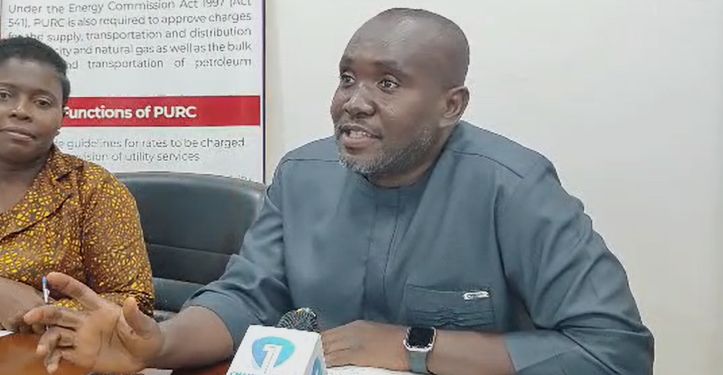
The Public Utilities Regulatory Commission (PURC) assured Ghanaians that electricity and water supply will remain stable in 2027, citing increased investment and stronger regulatory oversight.
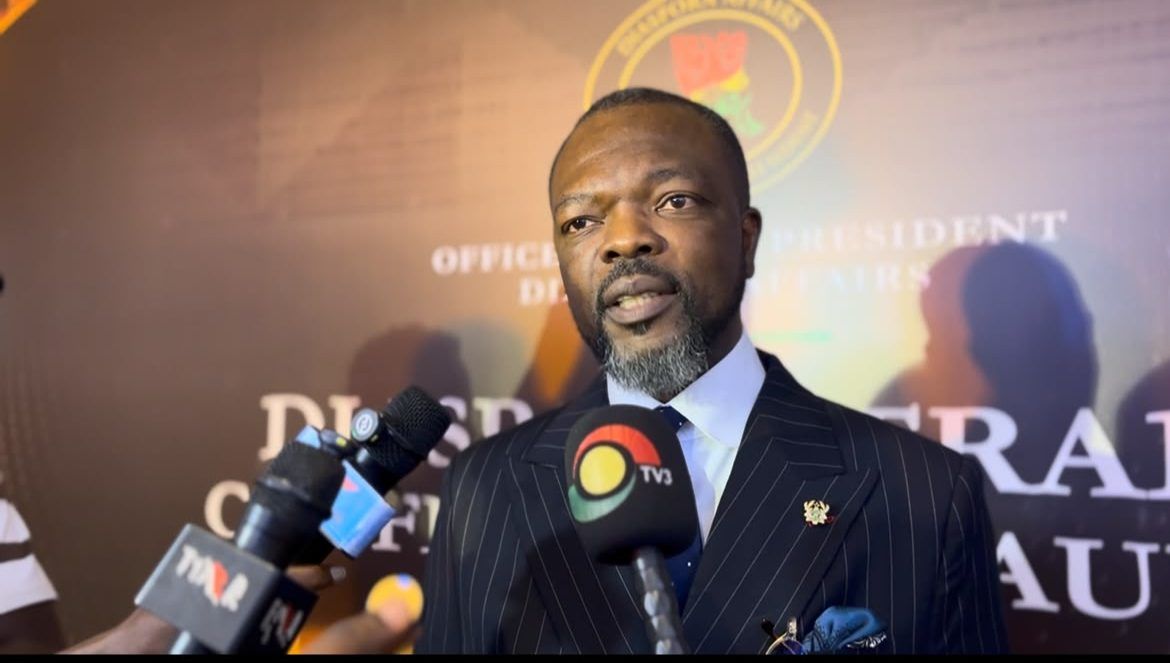
The statement was made on the sidelines of the unveiling of the Centre of Excellence in Public Utility Regulation (CEPUR) in Accra, a joint initiative between PURC and the Ghana Institute of Management and Public Administration (GIMPA) that will train utility sector professionals across Ghana and Africa.
Dr Shafic Suleman, Executive Secretary of PURC, explained that 2027 tariff decisions will be based on macroeconomic indicators such as the exchange rate, inflation, the thermal‑hydro generation mix and the weighted average cost of gas. He added that the Commission’s role is to calculate tariffs from those indicators while ensuring reliable utility services.
“Realistically, the Commission only takes the indicators and calculates the tariff, but Ghanaian consumers should be expecting stable power first, because that’s the mandate of the Commission and all the stakeholders,” Suleman said.
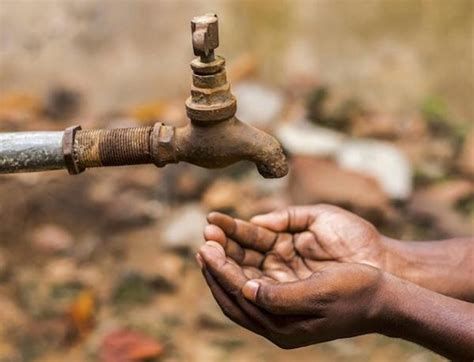
Utility providers have already begun to reduce operational losses and improve revenue collection. The Ghana Water Company Limited (GWCL) has replaced old concrete and asbestos pipelines with high‑density polyethylene (HDPE) pipes and made other infrastructure upgrades, cutting non‑revenue water from over 50% to roughly 46%–47%.
The Electricity Company of Ghana (ECG) has invested in transformers, cables and other equipment, lowering total losses from more than 30% to about 26%–27% and reducing technical losses by 9.8%. Revenue collection rose from less than GH¢1 billion to about GH¢1.5 billion, though it still falls short of the regulator’s annual target of approximately GH¢2 billion.
PURC expects further investment in 2027, backed by enhanced regulatory oversight and improved human capacity, to improve the reliability of electricity and water supply to households and businesses.
Although no tariff adjustment was made for the fourth quarter of 2026, quarterly changes during the year resulted in a compounded increase of about 8.4% in electricity tariffs and 13.3% in water tariffs. Dr Suleman acknowledged that consumers had experienced various increases during the year, including tax‑related adjustments, but said the focus for 2027 would be stability, consumer protection and improved service delivery.
The CEPUR, supported by Enclave Power through its subsidiary LMI, aims to position Ghana as a hub for public utility regulation training and expertise in Africa and beyond. Suleman urged other utility service providers and private sector actors to support similar initiatives to build a legacy of education, training and professional competence in the sector.
What to watch: regulators and providers will continue to monitor macroeconomic indicators and invest in infrastructure to keep supply stable and tariffs predictable in 2027.