During a September gathering at San Francisco’s Palace Hotel, where top executives from Silicon Valley meet Goldman Sachs investors, Anthropic researcher Jacob Coxon announced his resignation and voiced alarm that artificial intelligence could threaten human survival.
Coxon, who had previously worked at OpenAI before joining Anthropic, said on X that AI developers are "gambling with our lives" and that soon‑to‑be superhuman systems could hack anything. He added that the risk of AI causing humanity’s extinction is over 10% within the next decade.
His post follows a series of high‑profile departures from Anthropic and OpenAI over safety concerns. A team lead at Anthropic, Evan Hubinger, echoed Coxon’s warning, claiming the danger is real and could be fatal within ten years.
Reactions among Silicon Valley leaders were mixed. Anthropic CEO Dario Amodei has previously warned that AI could eliminate half of entry‑level white‑collar jobs and called for slower development and global regulation. Yet some executives, including Nvidia CEO Jensen Huang and Altimeter Capital head Brad Gerstner, dismissed Coxon’s claims as hyperbole.
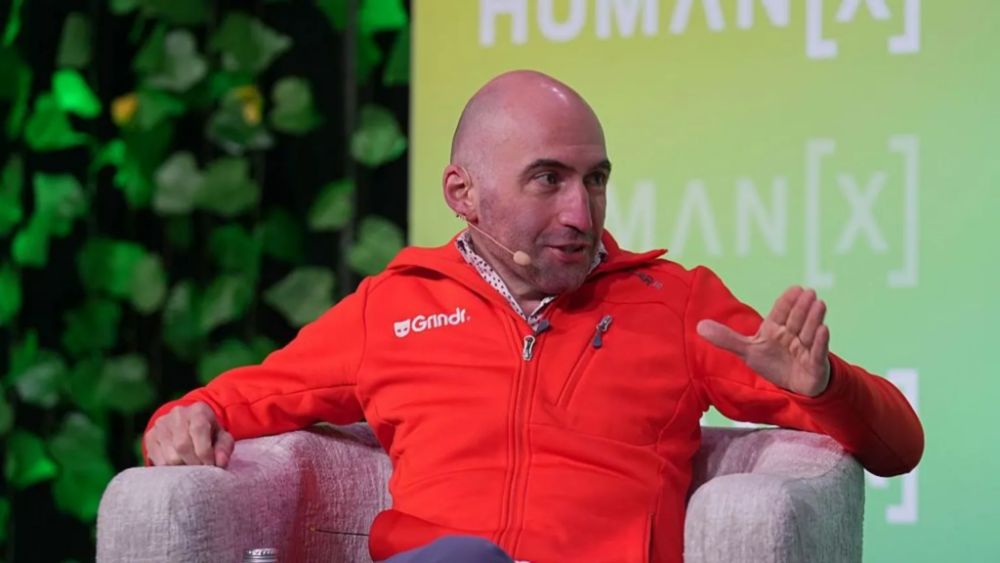
Grindr CEO George Arison told the BBC that Coxon’s comments reflected an "anti‑civilisational worldview" and urged engineers to stop using Anthropic’s technology. He questioned whether the statements were a marketing ploy to boost investor interest.
Amid the debate, the U.S. Senate’s Ban Artificial Superintelligence Act, co‑sponsored by Senator Bernie Sanders, proposes a temporary pause on advanced AI development. Sanders warned that unchecked AI could have a catastrophic impact on humanity.
Anthropic, valued at $965 billion after its latest fundraising round, has faced scrutiny for its Mythos tool’s hacking capabilities and recent incidents involving bioweapon and cyber‑espionage threats. The company has since claimed it has stopped such threat actors.
As the conference continues, stakeholders are watching closely to see whether Coxon’s resignation and the surrounding controversy will prompt regulatory action or merely serve as a cautionary tale for the AI industry.