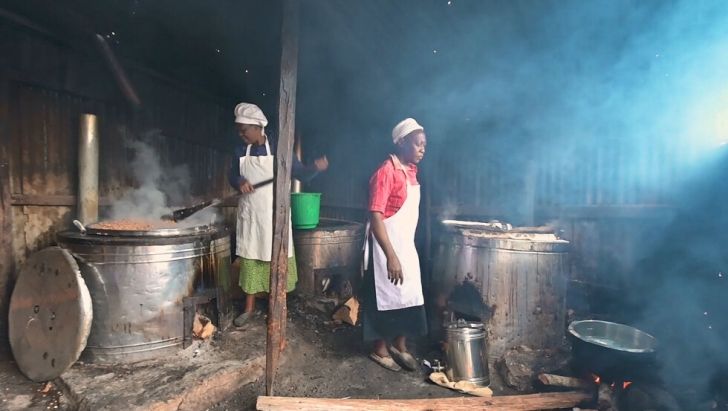
Senior high schools in northern Ghana are still cooking with firewood and charcoal, a practice that has led to bronchitis, blindness and other health complications among kitchen workers and students, according to a call by the National Petroleum Authority (NPA).
The NPA organised a sensitisation exercise at Tamale College of Education, where lecturer Mohammed Mansur Hussein recounted a tragic case of a woman who died from bronchitis after years of cooking with traditional fuels. He also cited a kitchen staff member who lost her sight to cataract, a condition attributed to prolonged smoke exposure.
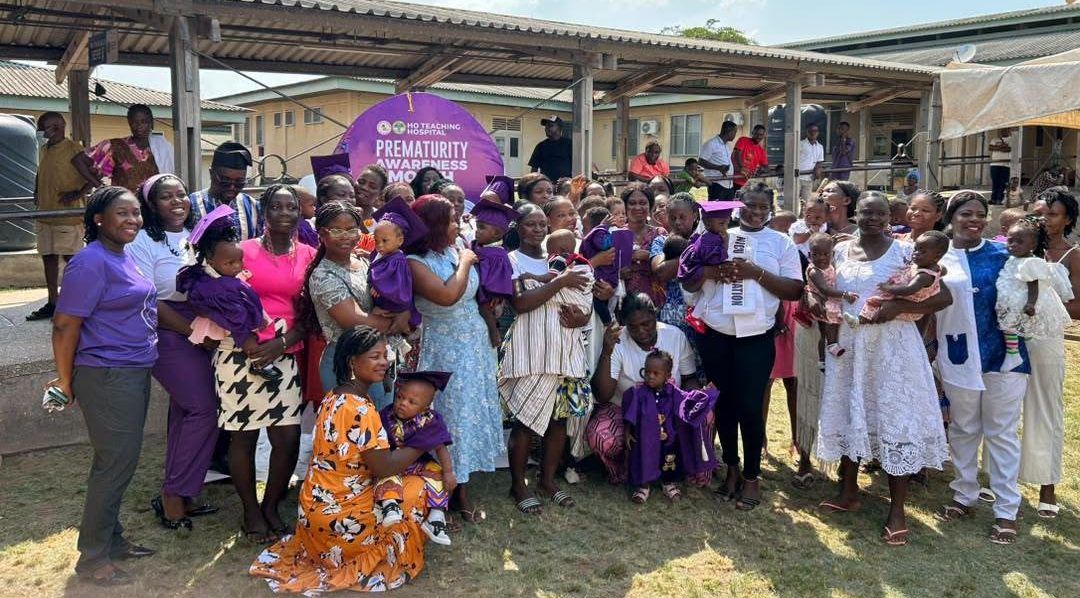
These accounts raise questions about the safety of institutional kitchens and the protection of staff and students. A study by Dr Hawawu Hussein of Tamale Technical University followed over 1,200 mothers and babies in Tamale and Savelugu, finding that children of mothers who cooked with charcoal or firewood were about four times more likely to suffer coughs and colds than those whose families used LPG or electricity. The same research showed that pregnant women cooking with charcoal had a 1.5‑fold higher risk of preterm birth.
During the exercise, NPA Director of Consumer Services Eunice Budu Nyarko urged schools to adopt LPG, describing it as one of the cleanest and most efficient fuels available. She noted that kitchen workers in boarding houses and halls of residence are especially vulnerable due to the long hours spent cooking in enclosed spaces, and that LPG adoption remains low in the North.
Similar sensitisation events were held at Bagabaga College of Education, Tamale Technical University and the Dungu Campus of the University for Development Studies. In the Upper East Region, the team engaged St. John Bosco College of Education, UDS Navrongo Campus, the Midwifery Training College and Bolgatanga Technical University.
As the evidence mounts, the NPA calls on educational institutions to reconsider their reliance on firewood and charcoal and to transition to LPG to safeguard the health of cooks, students and pregnant women alike.