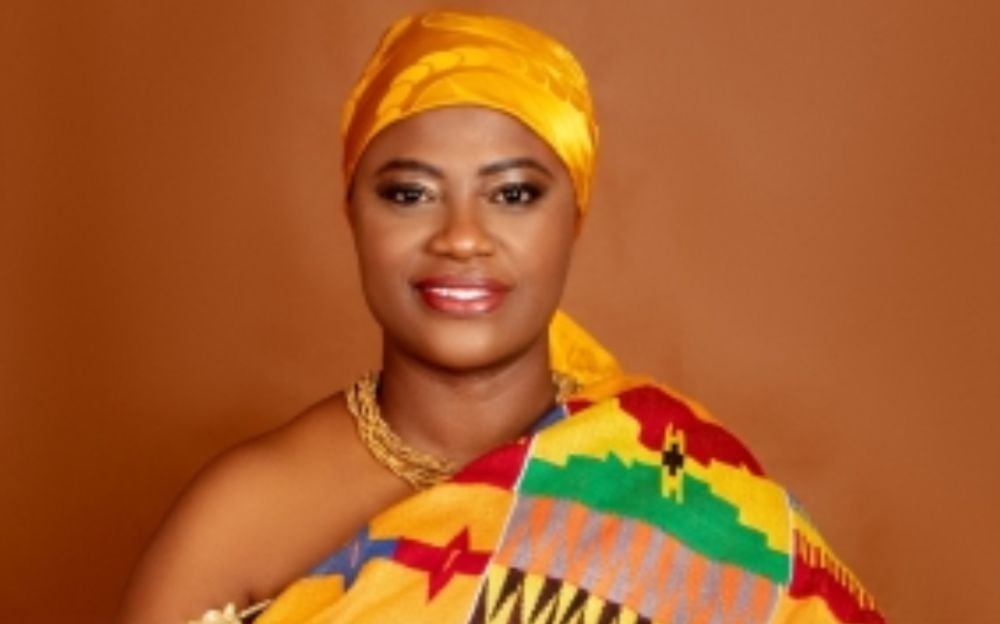
On her enstoolment day in April, Nkosuohemaa Nana Yaa Asantewaa‑Ofori of Kwabre Abirem declared that her title—"queen mother of progress"—is not ceremonial but a developmental mandate. She said the office was created during Otumfuo Osei Tutu II’s reign to mobilise women, champion education, attract investment and translate community aspirations into action.
She pointed to the market queen mothers who, in towns such as Kejetia, Makola, Techiman and the yam market at Ejisu, set prices, offer credit, arbitrate disputes and keep goods moving—all without a bank account or a state salary. The system relies on generations of trust and the understanding that breaking that trust has dire consequences.
"When the political order breaks, the women can hold," she recalled, echoing her ancestor Yaa Asantewaa, who led the last Asante war against the British in 1900. Yaa Asantewaa’s legacy, she argued, shows that women have long steered Ghana’s economy, yet contemporary development models have largely ignored this reality.
She highlighted trailblazers such as Esther Ocloo, who co‑founded Women’s World Banking; Susanna Al‑Hassan, the first woman cabinet minister in sub‑Saharan Africa; Justice Annie Jiagge, a UN CEDAW drafter; Dr. Letitia Obeng, Ghana’s first woman science PhD; Nana Konadu Agyeman‑Rawlings, who mobilised rural women through the 31st December Women’s Movement; and Opoku‑Agyemang, the first female Vice‑President of Ghana. She said these leaders inherited a tradition that began with Yaa Asantewaa and continues in today’s political and economic institutions.
Despite more than forty years of development programmes—structural adjustment, HIPC, poverty reduction strategies, Ghana Beyond Aid—Ghana has repeatedly adopted external models that overlook the country’s own female‑led economic mechanisms. She called for a development approach that starts with what Ghana already does: women’s market leadership, community governance and trust‑based systems.
She urged policymakers to recognise and support queen mothers as key actors in economic planning, arguing that their experience and networks could bridge gaps between formal finance and grassroots commerce. The next steps, she said, involve integrating these traditional roles into national development strategies and ensuring that women’s contributions are formally acknowledged and supported.