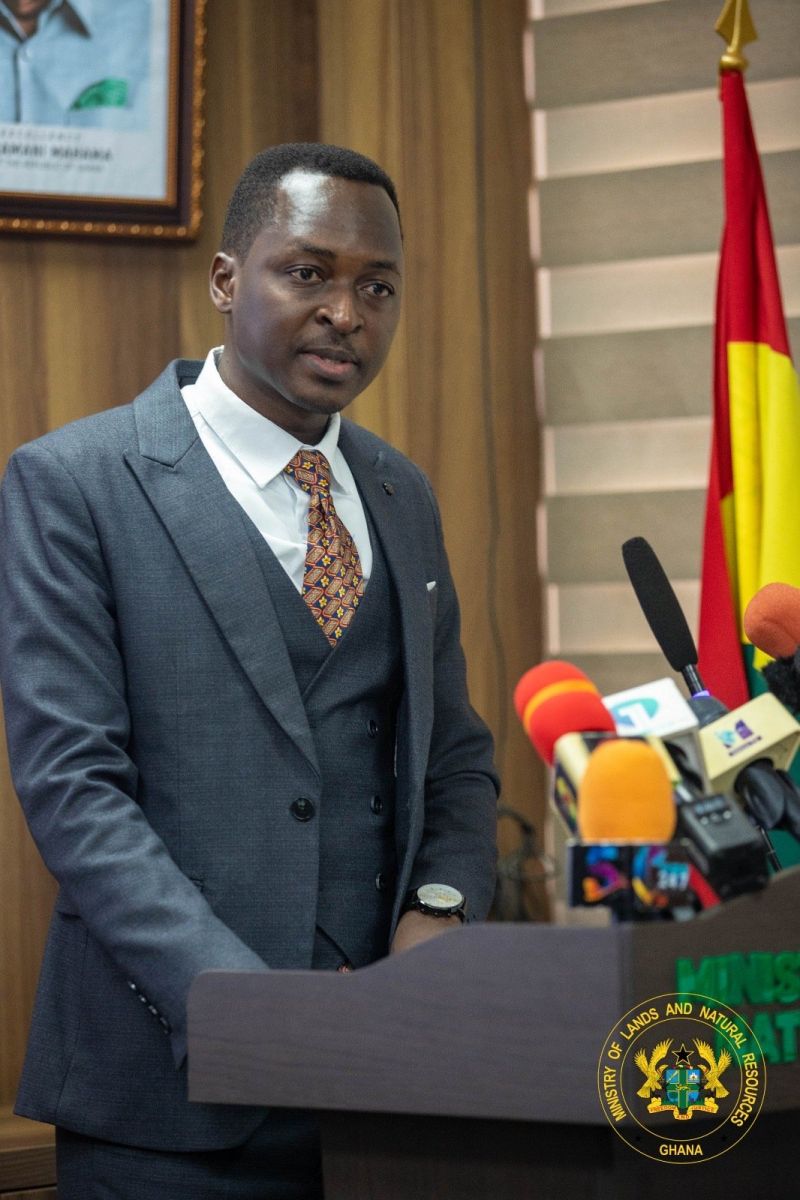
The Ghana Geological Survey Authority (GGSA) announced the effective date of seven new Legislative Instruments on August 26, 2026, after 21 parliamentary sitting days. These instruments operationalise the Ghana Geological Survey Authority Act, 2016 (Act 928) and aim to tighten oversight of geological activities across the country.
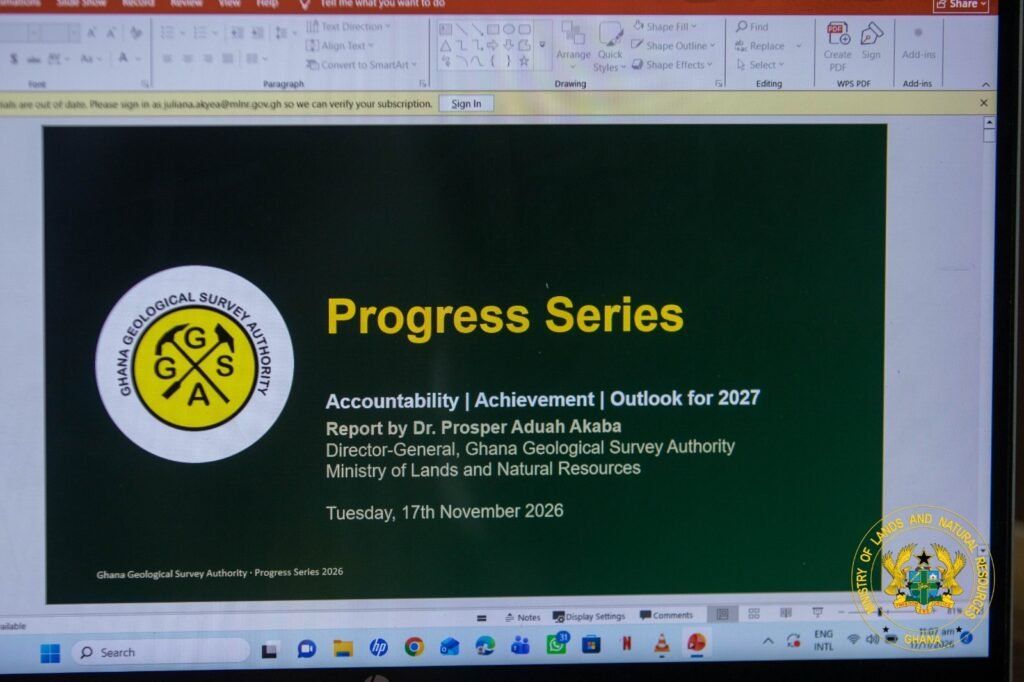
Director‑General Dr Prosper Akaba hailed the passage as “one of the most significant developments of the year” during the Authority’s fourth Progress Series at the Ministry. The regulations cover geological mapping, earthquake monitoring, seismic investigations, access to geological information, ground investigations, geoscientific practice, protection of geological heritage sites, and mineral exploration up to the pre‑feasibility study stage.
Akaba said the new rules will bring greater order and accountability, safeguard the quality of geological data used in national planning, and strengthen the Authority’s revenue generation capacity. He urged mining and exploration companies, local governments, research institutions, real‑estate developers and geoscience practitioners to familiarise themselves with the requirements and comply.
In June 2026, the Minister for Lands and Natural Resources, Emmanuel Armah‑Kofi Buah, modernised and commissioned Ghana’s National Seismological Network, restoring real‑time transmission and monitoring of seismic activity and improving dam‑safety monitoring systems. The Authority also completed a seismic hazard assessment for Ga South, Ga West and Ga North, providing critical data for land‑use planning in seismically active communities.
All 48 district mineral occurrence maps have been finished, giving local authorities and investors insight into mineral potential across the country, though the maps do not represent confirmed reserves. The GGSA is also advancing a seven‑year strategic plan, revising its organisational structure, and upgrading regional offices, with a US$250,000 software and training donation from Seequent set to enhance geological modelling.
Looking ahead, Akaba said the Authority will continue mineral exploration, earthquake monitoring, geohazard mapping and public education, working with small‑scale miners, investors, district assemblies and other stakeholders to ensure reliable geological information informs responsible mining and national development.