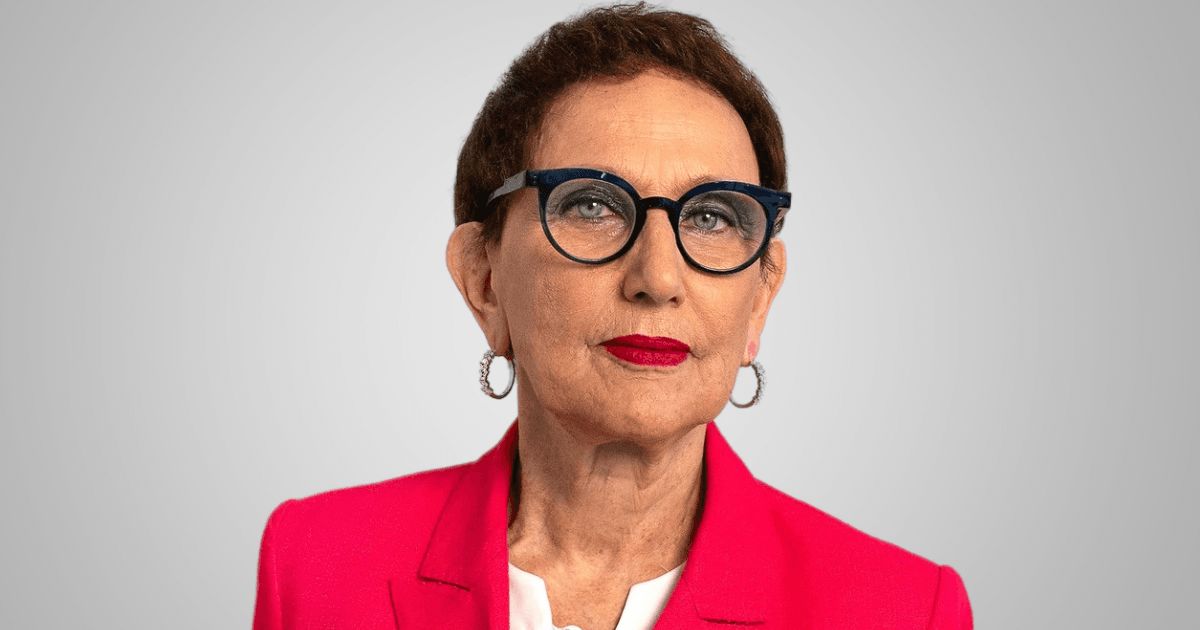
Rebeca Grynspan, Costa Rica’s former Vice President and current UN Under‑Secretary‑General, is emerging as the front‑runner in the United Nations Secretary‑General contest. In the eighth informal Security Council straw poll held on 5 November, she received 12 of 15 votes, up from 11 in the previous round, while Argentina’s Rafael Mariano Grossi secured nine and Guyana’s Carolyn Rodrigues‑Birkett eight.
Grynspan’s performance has been buoyed by overt political backing from Latin America and the Caribbean. At the Ibero‑American Summit in Madrid, Costa Rican President Laura Fernández publicly endorsed her, arguing that the region should seize the opportunity to place a woman at the UN’s helm. A group of 29 former foreign ministers from the region signed an open letter on 10 November urging unified support for Grynspan, warning that a fragmented stance could dilute Latin America’s influence.
For Africa, the unfolding contest raises a dilemma. While the continent has fielded candidates such as Senegal’s former President Macky Sall and Uganda’s Olara Otunnu, Nigeria’s communication to the African Union and South Africa’s Foreign Minister Ronald Lamola have both emphasized the unwritten principle of regional rotation, suggesting that Latin America and the Caribbean are the current “turn.” These positions reflect concerns that the convention could be ignored if political circumstances become inconvenient, potentially jeopardising Africa’s future prospects.
Grynspan’s résumé—spanning national leadership, multilateral diplomacy, and UN institutional management—positions her as a candidate capable of addressing the UN’s institutional crises. Her experience at UN Trade and Development, where she highlighted trade inequalities and Africa’s industrialisation needs, and her role in the Black Sea Grain Initiative, demonstrate a pragmatic approach to diplomacy that could translate negotiations into tangible outcomes.
The Secretary‑General selection is not merely a tally of informal votes; it is a test of the international community’s commitment to multilateralism and institutional reform. Africa’s stance underscores the importance of preserving regional balance while seeking a leader who can navigate the complex geopolitical landscape that now defines the UN.