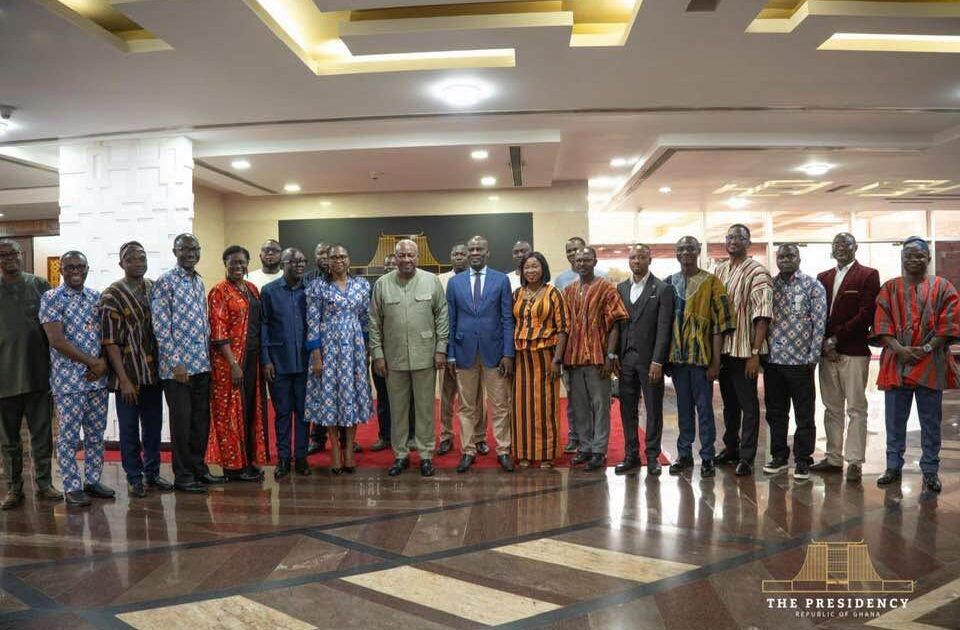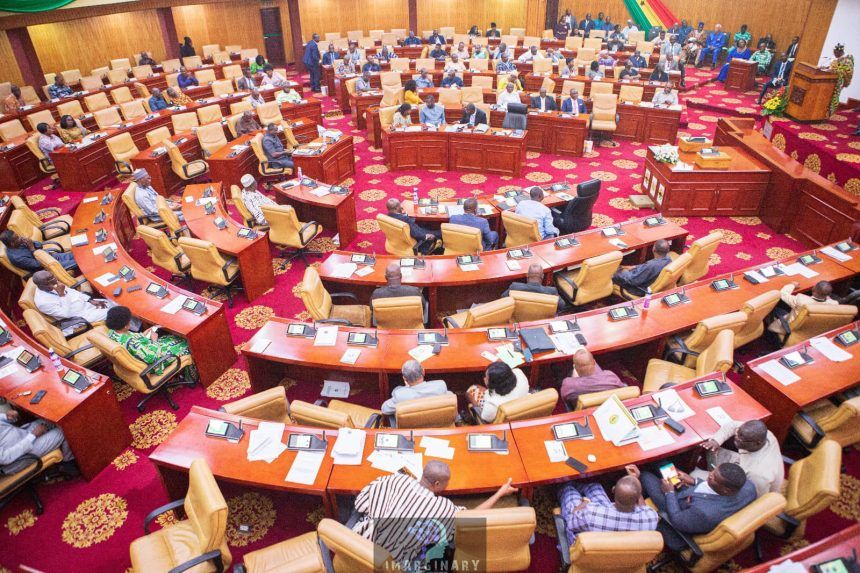
The National Development Planning Commission (NDPC) opened a stakeholder review of the second edition of Ghana’s National Monitoring and Evaluation Manual on Thursday, 12 November 2026. Representatives from ministries, local authorities, development partners, academia, research institutions and civil society gathered to examine the draft and suggest amendments.
NDPC Director‑General Dr Audrey Smock Amoah welcomed the participants and explained that the revision was needed to reflect changes in Ghana’s legal, institutional and development planning environment since the first edition was introduced in 2013. She clarified that the updated manual was not intended to replace the existing national monitoring and evaluation framework but to improve how it operates and supports development planning.
Dr Smock Amoah stressed that monitoring and evaluation should be incorporated into the design of policies, plans, programmes and projects, rather than treated as an activity undertaken after implementation. She added that evidence generated through the process must guide project implementation, budget decisions, policymaking and institutional accountability. The Director‑General urged stakeholders to make practical contributions, particularly on institutional mandates, reporting procedures, monitoring tools and templates, and the feasibility of applying the guidelines at national and local levels.
NDPC’s Director of Monitoring and Evaluation, Bright Yaw Atiase, also urged participants to ensure their institutions’ recommendations were captured in the revised document. He emphasised that the manual was designed for use across the country’s development planning system and was not an internal guide for the NDPC alone. Mr Atiase identified incorporating knowledge management as a significant addition, explaining that strengthening the generation, sharing, and use of knowledge would improve policy formulation and management decisions.
The stakeholder review is expected to produce consolidated recommendations, agreed changes to the draft, designated institutional focal persons and a timeline for completing the second edition. Participants included representatives of Ministries, Departments and Agencies, Regional Coordinating Councils, Metropolitan, Municipal and District Assemblies, development partners, universities, research institutions, M&E professional bodies and civil society organisations.
What follows is a refined manual that will guide Ghana’s public institutions in embedding evaluation into every stage of policy and project life, ensuring that evidence drives decisions and accountability is institutionalised.