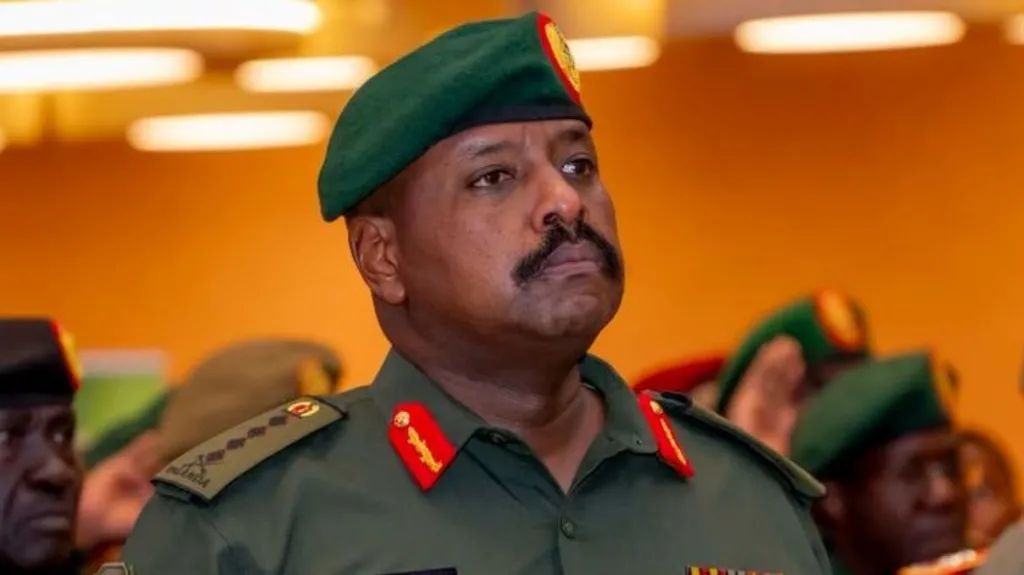
Gen Muhoozi Kainerugaba, Uganda’s army chief and 52‑year‑old son of President Yoweri Museveni, has ordered the arrest of more than a dozen generals and senior officers over the past 15 months. The moves, which began in April 2025, have rattled the upper echelons of the Ugandan military and intensified speculation over Museveni’s future.
The most high‑profile detentions include former deputy army chief Lt Gen Peter Elwelu, who was stripped of his three‑star rank in a public X post and later held on allegations of plotting to destabilise the eastern Teso region. The army confirmed Elwelu’s detention and said it had seized 15 guns, uniforms and two pickup trucks linked to him, though his family has denied the accusations.
Other arrested officers include Maj Gen James Birungi, former head of defence intelligence, charged with treason, terrorism and corruption; Maj Gen Abel Kandiho, detained on false‑intelligence and treason charges; and Brig‑Gen Charles Bakahumura, arrested over similar allegations. Several of these men were released after Kainerugaba publicly announced that he had “forgiven” them.
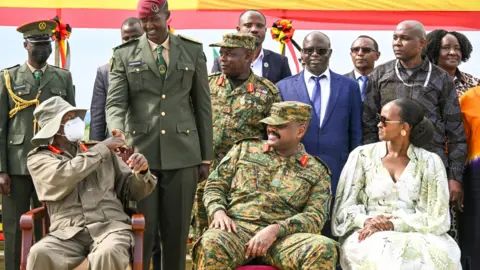
While the army insists the arrests are part of an anti‑corruption drive, political scientists and analysts see a broader motive. Dr Gerald Bareebe, a Ugandan‑born political scientist at York University, links the detentions to the “Muhoozi Project”, a perceived effort to position the army chief as Museveni’s successor. He notes that officers who opposed the project have been targeted, suggesting growing divisions within the military over succession.
The National Resistance Movement (NRM) has denied that it has rejected a proposal to back Kainerugaba for the presidency. NRM Secretary‑General Richard Todwong Awany said the party met on 10 November to discuss “political, social and economic issues” and would communicate any decisions through the proper channels. Yet a closed‑door meeting reportedly ended without a vote on Kainerugaba’s potential presidency, according to AFP, while ChimpReports claimed most members supported the idea.
In a dramatic move this week, Kainerugaba threatened Vice‑President Jessica Alupo with dismissal and possible arrest, and even suggested he should take her position. The threat was widely seen as a warning to those who might oppose his ambitions.
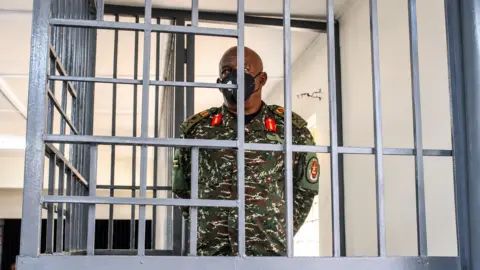
Security analyst Freddie David Egesa argues that the arrests are the result of investigations involving multiple security agencies, not a unilateral purge by the army. He stresses that the army chief’s role is to allow investigative teams to detain high‑profile individuals in consultation with the commander‑in‑chief, and that the arrests are not summarily carried out.
The situation remains fluid. Some detained officers have already been released after securing Kainerugaba’s forgiveness, while others, such as Kandiho, remain in custody. The crackdown has drawn international attention and heightened concerns about the future of Uganda’s political stability.
Observers will watch the next NRM leadership meeting and any forthcoming statements from the army chief to gauge whether the arrests signal a broader political purge or simply a targeted anti‑corruption effort.