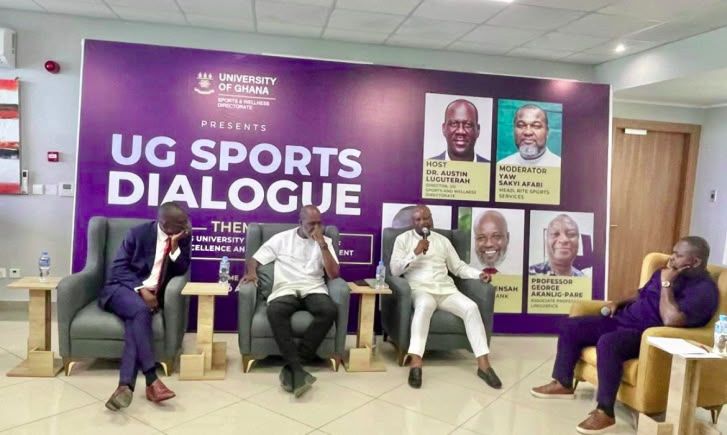
During the first University of Ghana Sports Dialogue, Dr Kwame Baah‑Nuakoh, chairman of the Ghana Football Association Club Licensing Committee, urged university leaders to make sports a core part of their institutional identity in order to draw alumni back to campus and secure long‑term funding.
He warned that many universities fail to market their sporting programs effectively, missing chances to generate financial and corporate support. "We have not sold university sports to our alumni. The reason why we are not getting funding is that somebody must want to buy into what you have," he said. He added that when sports become an integral part of a university’s culture, they create pride and lifelong attachment.
Baah‑Nuakoh stressed that alumni who maintain strong ties to their alma mater are more likely to contribute to sports infrastructure, scholarships and other development projects. "It is not just about winning medals. It is about creating pride among students through sports. Once alumni are attracted back to campus, they will support not only sports but other aspects of university life," he added.
Other speakers echoed the need for a strategic approach. Mr Kojo Addae‑Mensah, CEO of Databank, argued that Ghana’s education system limits opportunities for student‑athletes and called for a reassessment of policies to better integrate sports into learning. Dr Austin W. Luguterah, director of Sports and Wellness at the University of Ghana, highlighted the broader benefits of sports, noting that it promotes discipline, teamwork, resilience and national development. He said that unlocking the full potential of university sports would require effective governance, sustainable partnerships and innovative financing models.
The dialogue concluded with a call to action for university authorities to re‑position sports as a driver of institutional excellence and national development, aiming to transform alumni engagement into a reliable source of funding.