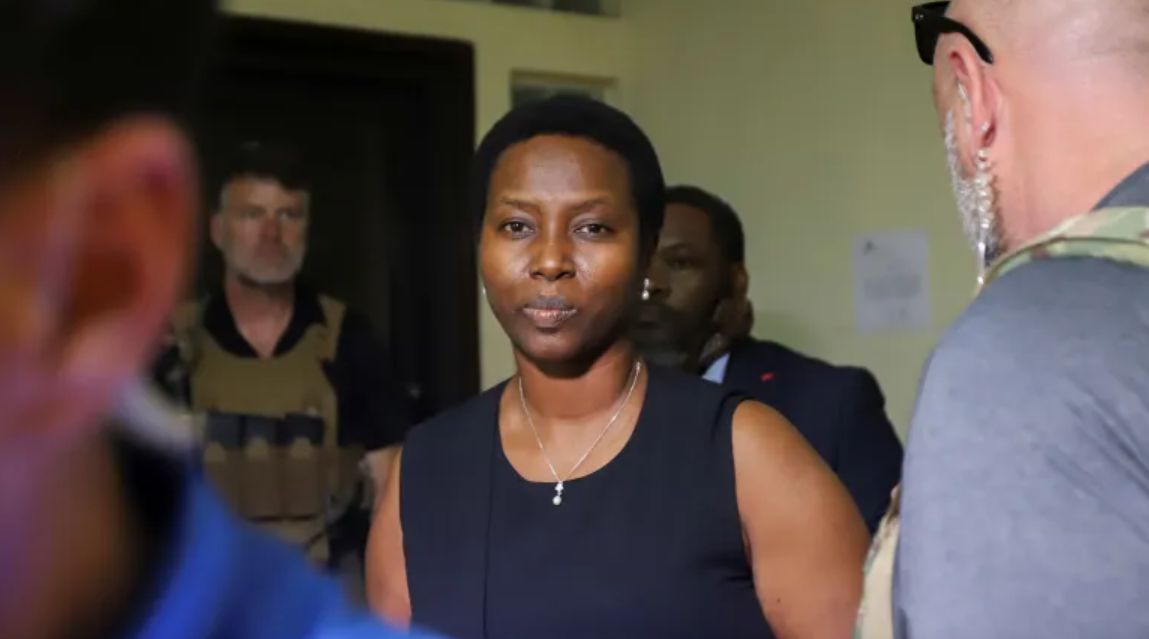
Martine Moise, widow of Haiti’s slain former president Jovenel Moïse, officially entered the race for the country’s first presidential election in ten years. Her name appeared on the Provisional Electoral Council’s (CEP) website on Sunday, marking the start of a campaign that could reshape Haiti’s turbulent political landscape.
Haiti last held a presidential election in 2016, and successive leaders have repeatedly postponed elections citing insecurity risks. The upcoming first‑round vote is scheduled for July next year, as the nation grapples with the expanding influence of powerful, heavily armed gangs that have seized control of much of Port‑au‑Prince and surrounding areas.
Martine Moise has not yet commented publicly on her registration, but she did speak on X last week, stating,
"Haiti will rise again on its own two feet, because politics needs to be done differently,"and adding that the opposition had “brought the country to its knees” and “does not want the country to develop; they do not want the people to live well.”
Moise is one of three women among the 33 candidates who have been registered. Other prominent contenders include former presidents Michel Martelly and Jocelerme Privert, former Prime Minister Claude Joseph and former Foreign Minister Dominique Dupuy. Several of these candidates, including Martelly and Privert, have faced international sanctions over accusations of supporting armed gangs, which they deny.
Moise’s own story is deeply intertwined with Haiti’s recent history. She was a key witness in the Miami court case prosecuting dozens of suspects involved in her husband’s murder, which occurred in July 2021 when he was shot in his bedroom by Colombian mercenaries impersonating U.S. Drug Enforcement Administration agents. She suffered serious gunshot wounds and was flown to a Florida hospital.
Following the assassination, a series of transitional governments struggled to maintain control as gangs, allegedly aided by corrupt politicians, took over large swaths of the capital. The violence has displaced about 1.5 million people and claimed more than 22,000 lives, many at the hands of security personnel. International forces, most recently from El Salvador, have been deployed to assist Haitian police in combating the gangs.
Last week, Haitian security forces regained control of the country’s main stadium, which had been under gang control for two years. The operation, part of a deployment of about 2,000 El Salvadorian soldiers ordered by President Nayib Bukele, involved setting up an operational base in the stadium to push further into gang‑controlled territory. The move allowed the national football team to play elsewhere, signaling a tentative step toward restoring normalcy.
Moise’s candidacy comes at a critical juncture, as Haiti seeks to move beyond decades of political instability. Her campaign promises to address the root causes of violence and to rebuild trust in governance. The July vote will be closely watched by the international community, which has a vested interest in Haiti’s stability and the safety of its citizens.