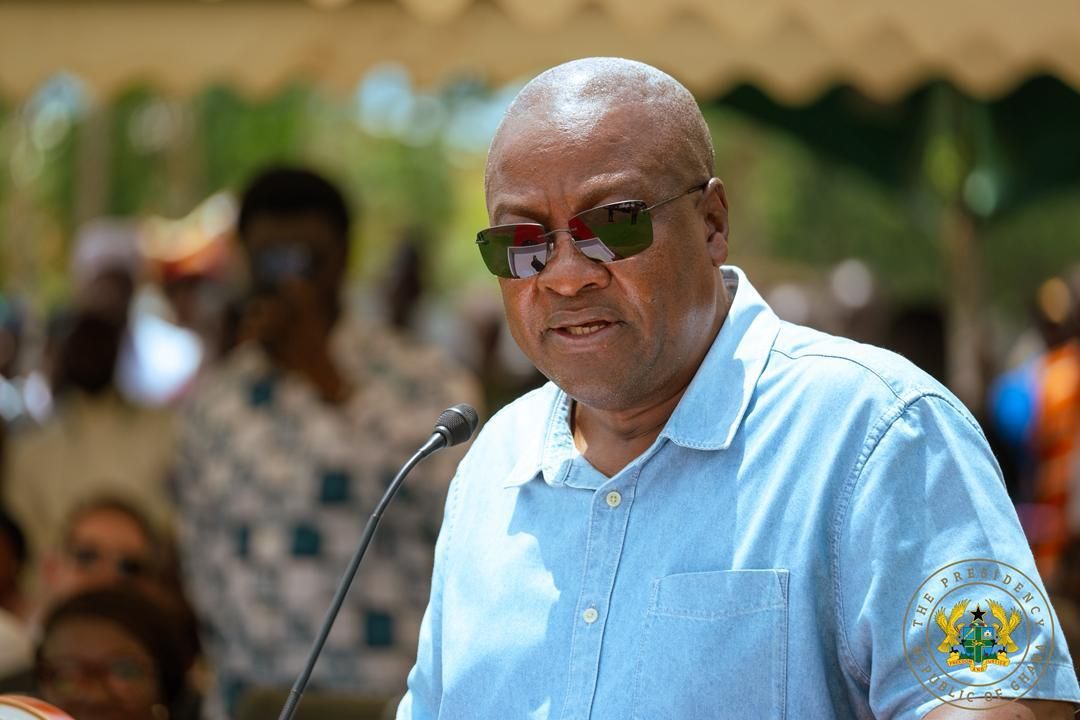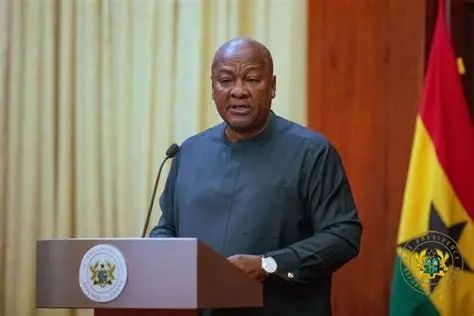
President John Dramani Mahama today announced a US$10 billion investment plan, spread over five years, aimed at creating jobs in nine key sectors of Ghana’s economy. The plan, part of the proposed New Economy Policy, will channel US$2 billion annually into productive industries such as textiles and garments, agriculture and agribusiness, pharmaceuticals and tourism.
Speaking during a courtesy call by chiefs from the Western North Region, Mahama stressed that the funding would come from domestic resources, not borrowing. “This is our own money. We are not going to borrow money for the New Economy Policy,” he said, noting that the government will finance the initiative through taxes and the exchequer.
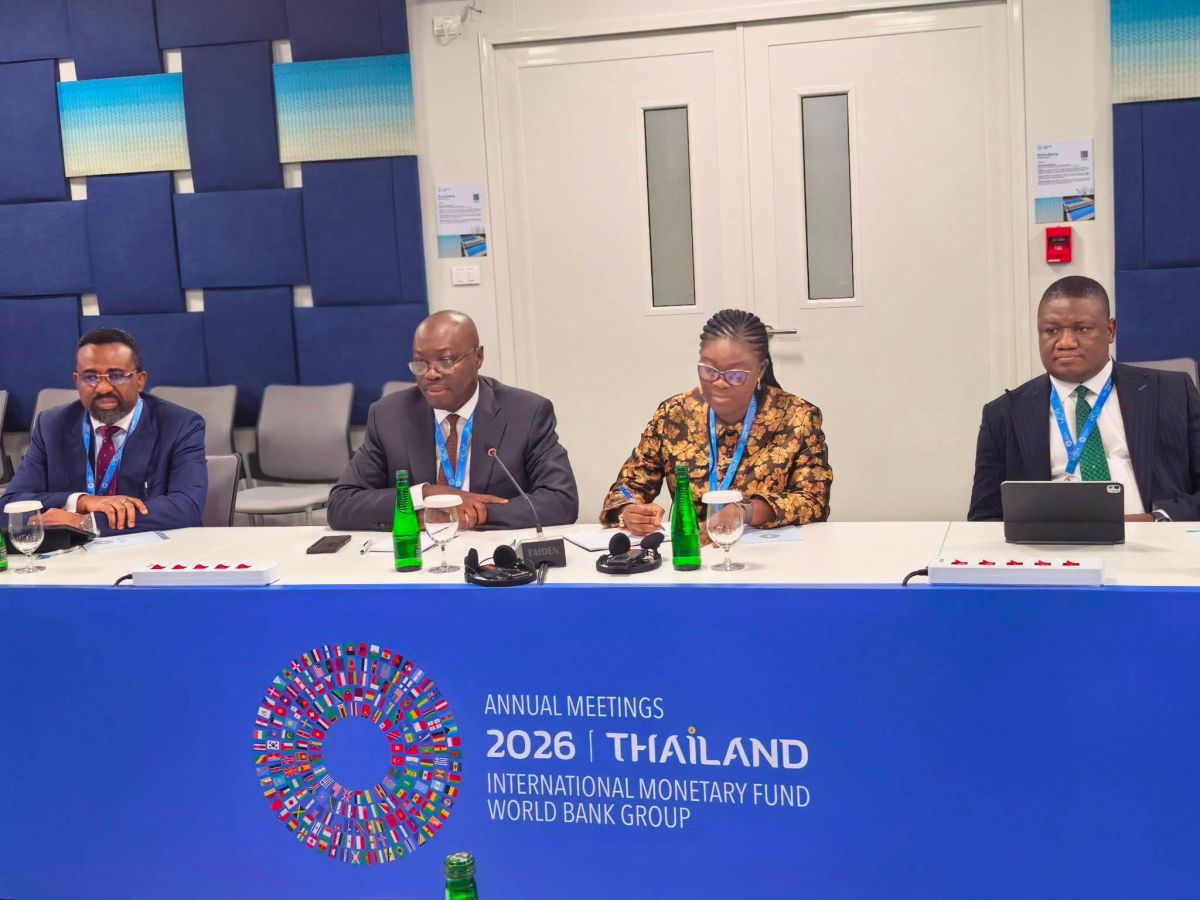
The president highlighted the country’s economic recovery, citing an IMF forecast of 5.7% growth for 2026, above the sub‑Saharan Africa average. He said fiscal measures had stabilised the macro‑economy, lowered interest rates and freed banks to lend more to private businesses.
Mahama pointed to the construction sector’s role in job creation under the Big Push infrastructure programme, noting the demand for skilled workers such as excavator operators and civil engineers. He also mentioned a textile factory in northern Ghana, employing 2,300 people—about 80% women—under a 24‑hour model, and expansions by Nestlé and Kasapreko.
Under the policy, the government will also invest in pharmaceutical manufacturing, positioning Ghana as a production hub for West Africa. Foreign pharmaceutical firms have shown interest in the government‑acquired land and infrastructure at a planned hub.
Mahama concluded that the combined impact of infrastructure spending, industrial expansion and targeted investment would accelerate job creation and improve livelihoods for Ghanaians.