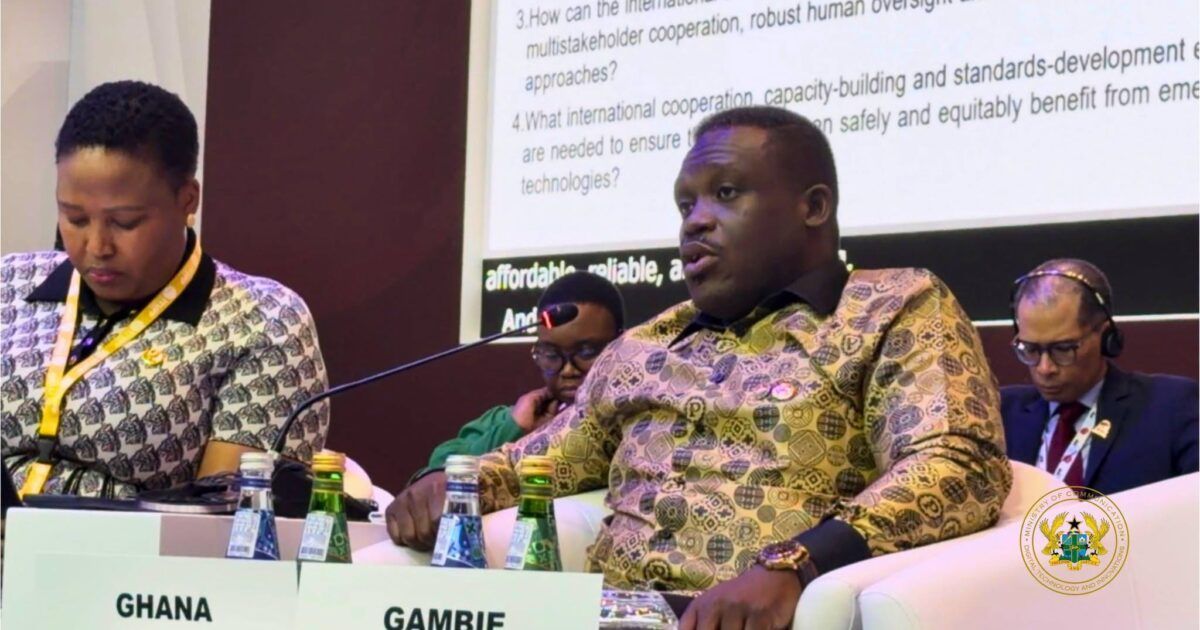
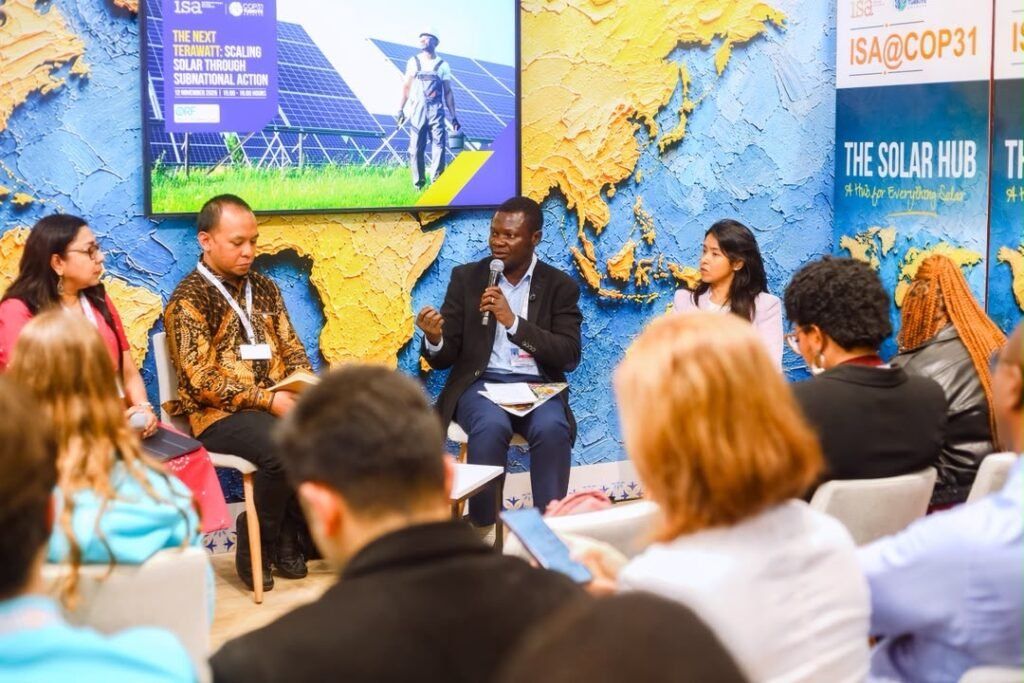
At the 31st United Nations Climate Change Conference (COP31), the Jospong Group announced a plan to transition roughly 1,000 of its waste‑collection trucks from diesel to electric power. The move will be supported by solar mini‑grids and dedicated charging infrastructure, the company said during a panel at the International Solar Alliance Pavilion.
Dr Ing. Glenn Kwabena Gyimah, General Manager of the Jospong Green Transition Office, highlighted the initiative as part of the Group’s broader commitment to carbon neutrality across its 36 waste‑treatment plants. He also noted that the Group’s composting facilities have received Swiss Government authorisation for carbon mitigation outcomes worth about US$20 million by 2030.
The electrification plan comes amid Ghana’s 2027 budget, presented by Finance Minister Dr Cassiel Ato Forson, which exempts solar panels and batteries from import duties and VAT. The minister urged electric‑vehicle owners and transport operators to adopt solar‑powered charging systems, and announced a 600‑megawatt state‑owned solar plant with 2,000 megawatt‑hour battery storage to bolster the national grid.
These measures align with the government’s US$10 billion New Economy programme, running from 2027 to 2030, aimed at creating an enabling framework for private‑sector investment in renewable energy and electric mobility. Dr Gyimah stressed the need for stronger partnerships with local governments, innovative climate‑financing mechanisms and increased solar‑powered infrastructure to accelerate Africa’s clean‑energy transition.
With the Jospong transition, Ghana takes a significant step toward reducing carbon emissions from its waste‑management sector while supporting the country’s broader clean‑energy agenda.