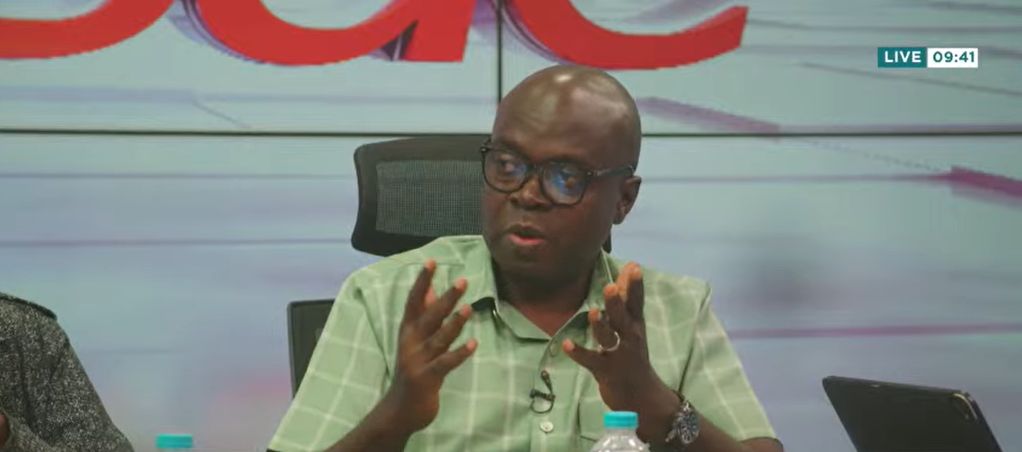
Policy analyst Dr Adamu Braimah Abille of the Integrated Social Development Centre (ISODEC) has demanded that the government set measurable job‑creation targets for every pillar of its US$10 billion New Economy programme, arguing that the initiative’s success should be judged by lasting employment rather than the size of the budget.
Speaking on Channel One TV’s The Big Issue on Saturday, November 14, Abille said the government must provide clear employment figures and explain how jobs created under each pillar would be assessed. He noted that only three of the eight pillars have job numbers, leaving the potential of the remaining areas unclear.
Abille added that ISODEC and its partners had submitted 28 expectations to the Ministry of Finance ahead of the 2027 Budget, along with a comprehensive job‑guarantee implementation manual. His assessment found that five of the proposals were fully met, 15 partly met, and eight not addressed, indicating that the 2027 Budget only partly fulfilled ISODEC’s expectations.
He also questioned how the programme would be financed, asking whether public resources alone would suffice or if public‑private partnerships would be necessary. Abille stressed that the programme’s ultimate test would be its ability to turn investment commitments into sustainable jobs and meaningful structural transformation.
The call comes after Finance Minister Dr Cassiel Ato Forson presented the 2027 Budget Statement and Economic Policy to Parliament on Thursday, outlining eight pillars: Macroeconomic Stability and Affordable Finance; Commercial Agriculture; Energy Infrastructure; Critical Minerals Value Addition; Tourism, Culture and Creative Arts; Textiles and Garments; Pharmaceuticals and Biomanufacturing; and the Technology Economy.
ISODEC’s push for clear targets reflects a broader push to reposition Ghana as a production‑driven economy, reduce reliance on raw commodity exports, and strengthen local industries.