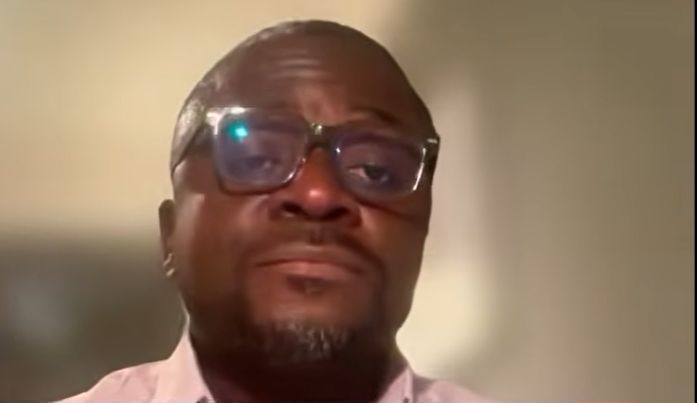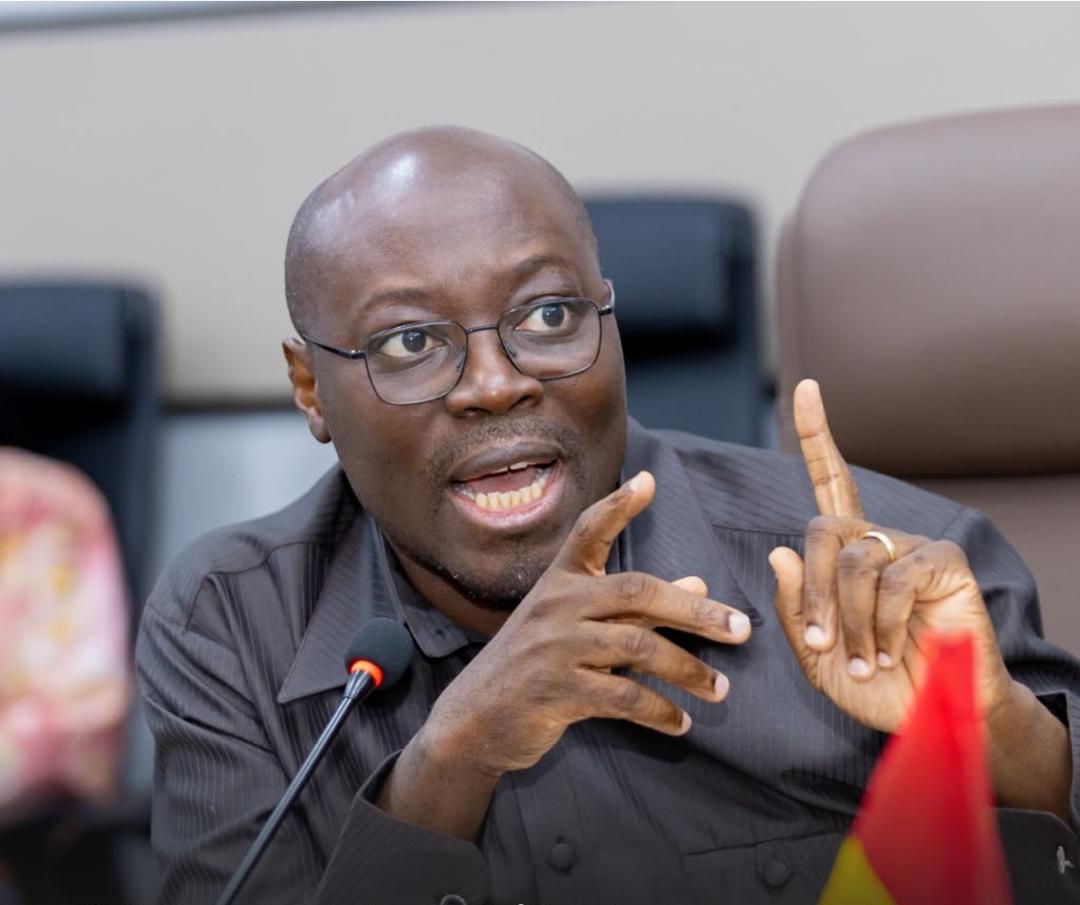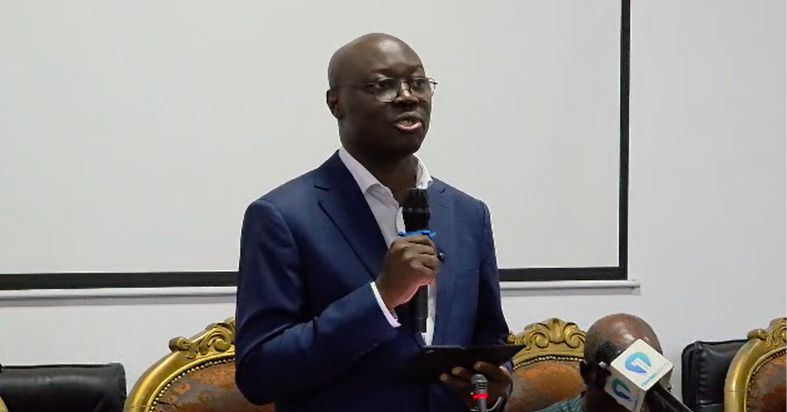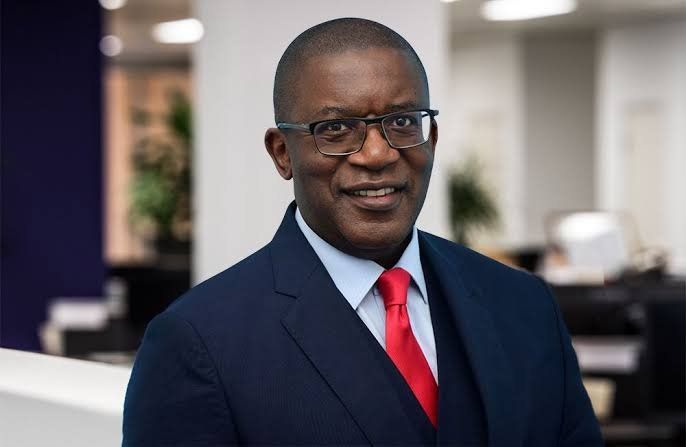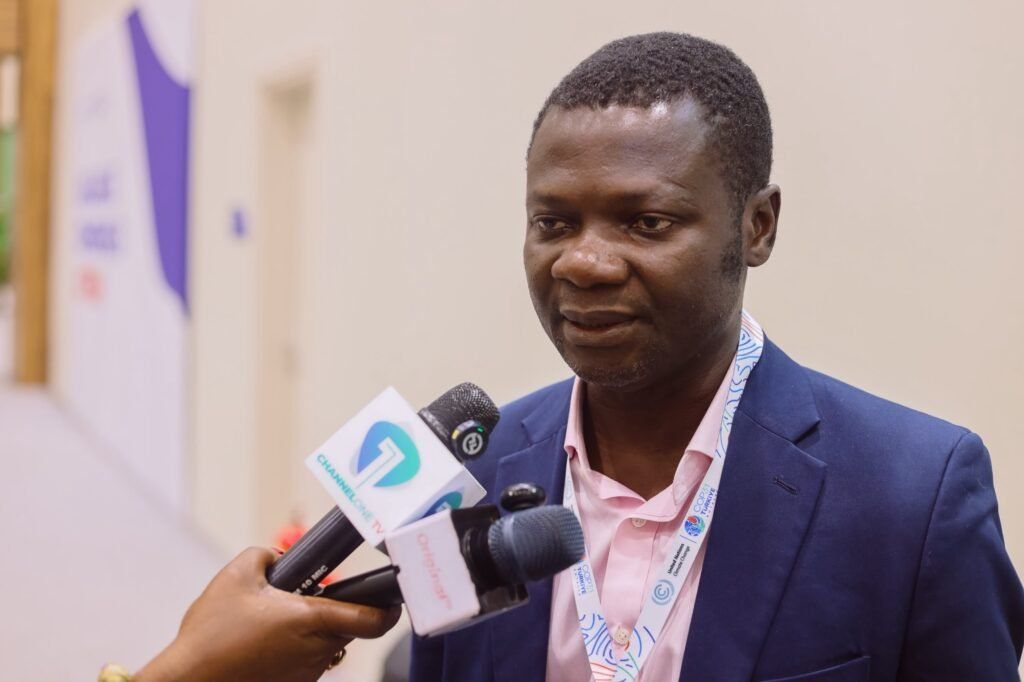
During the 4th CEEW Leaders’ Dialogue at the UN Climate Change Conference (COP31) in Antalya, Jospong Green Transition General Manager Glenn Kwabena Gyimah stressed that waste management could play a pivotal role in Ghana’s energy transition.
Speaking after the energy security session, Gyimah said countries must balance development needs with climate‑friendly policies. “Each country’s development needs are different,” he noted. “We must consider those needs and how energy supports them, while making policy choices that minimise our climate footprint.”
The dialogue, titled “The New Energy Play: Strategic International Partnerships for National Priorities,” focused on energy security and the challenges developing nations face as they pursue cleaner energy sources.
Gyimah highlighted that methane generated from waste presents an opportunity to contribute to the transition. With the right technology, methane can be captured and converted into cleaner energy for industry, households and cooking, he said. He added that Jospong’s waste‑management activities could generate energy while reducing the climate footprint of communities and industries.
Jospong intends to demonstrate Ghana’s commitment to climate action at COP31 and to show how the country can turn waste into a resource that supports its energy goals. The company plans to showcase its waste‑to‑energy projects and engage partners in shared solutions for 2030 and 2050.
Gyimah’s remarks come as Ghana seeks to meet its 2030 and 2050 energy targets while maintaining economic growth. The country’s energy sector is under pressure to shift from conventional sources to cleaner alternatives, and waste‑derived methane offers a cost‑effective pathway.
What to watch next: Jospong will unveil a pilot waste‑to‑energy plant in Accra later this year, aiming to supply clean electricity to the city’s industrial zone and reduce local emissions.