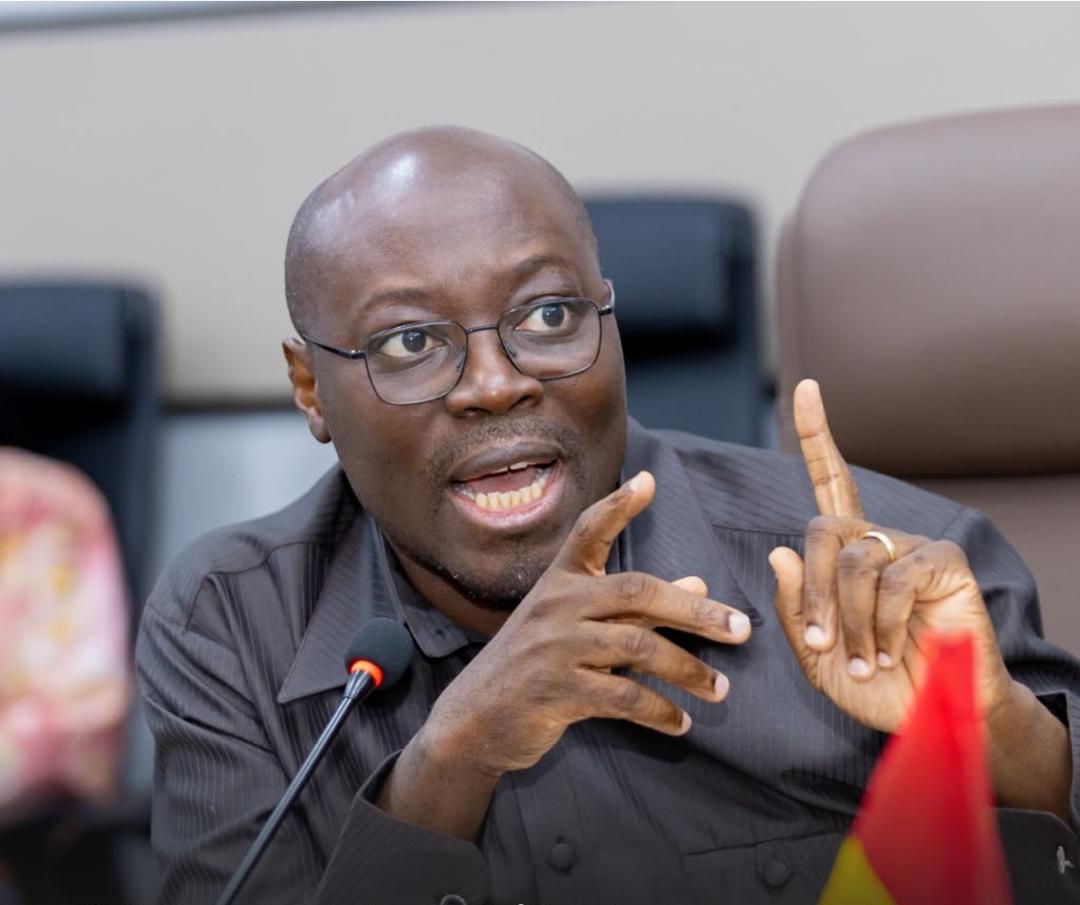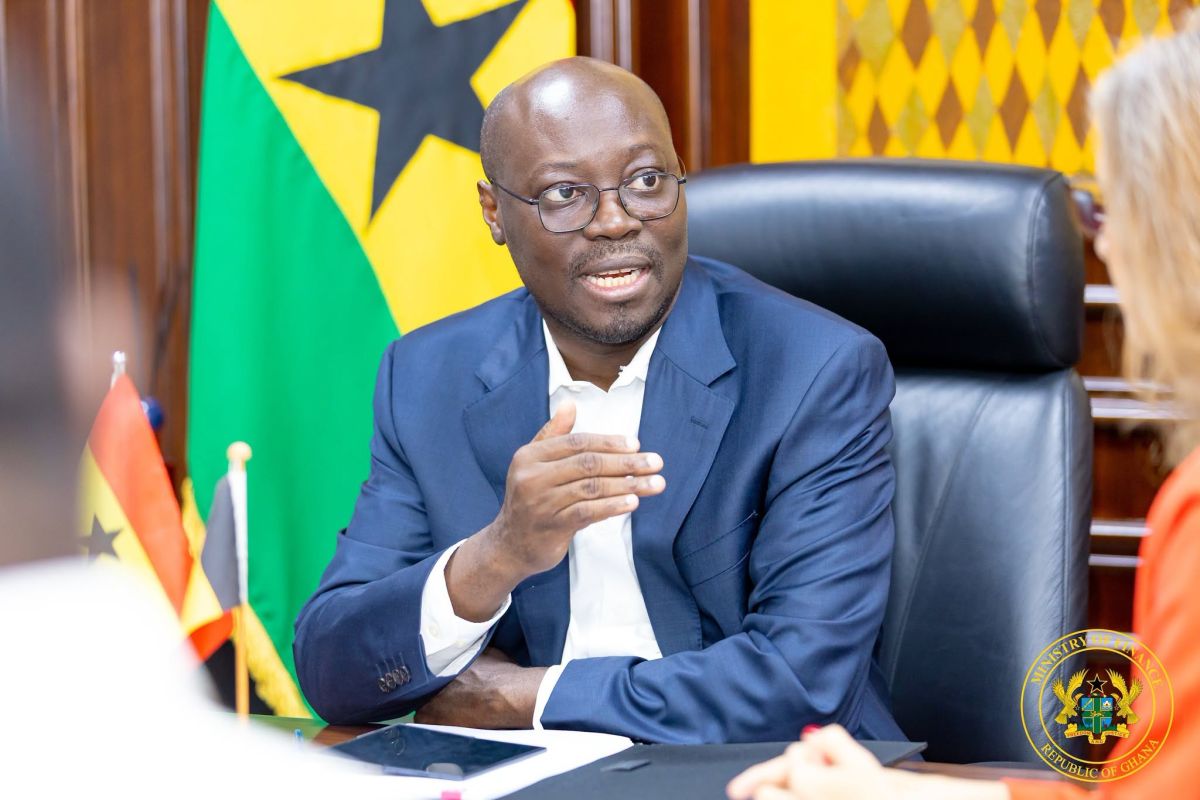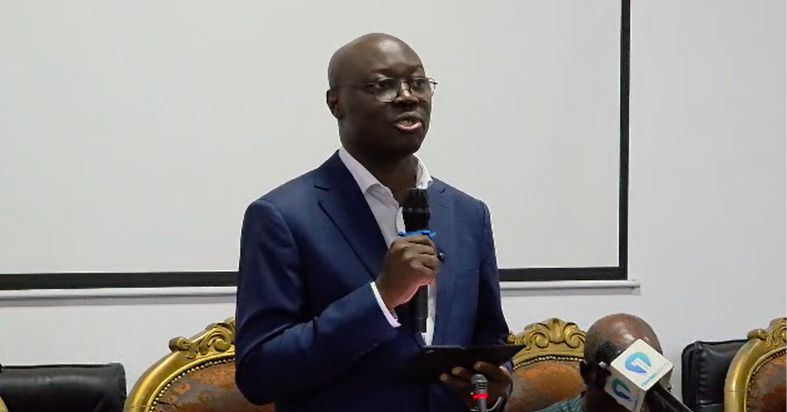
Dr Cassiel Ato Forson, Ghana’s Minister of Finance, assured that the government will not take on additional loans to finance its New Economy Programme. The initiative will be funded through domestic revenue and savings from fiscal consolidation, he said during an interactive session with students and staff at Kwame Nkrumah University of Science and Technology.
The minister outlined a plan to commit 1.5 per cent of GDP annually between 2027 and 2030 to the programme, without adding to the country’s public debt. Funding will come from two sources: an allocation of 0.5 per cent of GDP from government revenue and a reduction in the primary surplus target from 1.5 per cent to 0.5 per cent of GDP. Together, these measures are expected to create the fiscal space needed to invest in the programme, with a total allocation potentially reaching at least US$13 billion over the four‑year period.
Forson also clarified that the Ghana Gold Board does not generate revenue for the Ministry of Finance or the government, noting that state finances are primarily supported by direct taxes, indirect taxes and non‑tax revenue. He reiterated the government’s commitment to debt sustainability, including the target of reducing public debt to 45 per cent of GDP by 2028.
Evidence of the government’s debt‑reduction trajectory was cited, with Ghana recording a primary surplus of 2.5 per cent of GDP in 2025 and an expected surplus of 1.5 per cent in 2026. These surpluses would collectively contribute to a debt reduction of approximately 4 per cent of GDP. From 2027, the government plans to slow the pace of debt reduction to 0.5 per cent of GDP annually, freeing up additional fiscal space for investments under the New Economy Programme.
Forson concluded that the funding arrangement would allow the government to pursue its economic transformation agenda while keeping public debt on a declining path.