Ghana Health Service (GHS) has kicked off the second phase of its 2026 Mass Drug Administration (MDA) campaign against onchocerciasis, also known as river blindness, from 15 to 29 November. The effort will cover 86 endemic districts in 15 regions, with trained health workers and community drug distributors handing out free medication to eligible residents.
Speaking at a press briefing in Accra, Director‑General Dr Samuel Kaba Akoriyea reminded the public that river blindness is caused by a parasite transmitted through blackfly bites and can damage the skin and eyes, potentially leading to blindness. He warned that the disease can also deprive people of work, schooling and family support, underscoring its impact on health and economic well‑being.
Since the GHS began interventions in 1997, the number of districts requiring treatment has fallen from 152 to 86. The first round of the 2026 campaign, held from 20 June to 10 July, reached more than 4.8 million people and achieved a national coverage of 86.1 %. Dr Akoriyea noted gaps in household registration could leave some eligible persons untreated, and said the Service would strengthen registration under the Free Primary Healthcare initiative, improve supervision and provide extra support to districts needing attention.
He urged residents to welcome campaign teams, seek clarification where needed and take the medication if eligible, especially those in remote communities. Dr Akoriyea thanked health workers, community drug distributors, development partners, traditional and religious leaders and the media for their ongoing support.
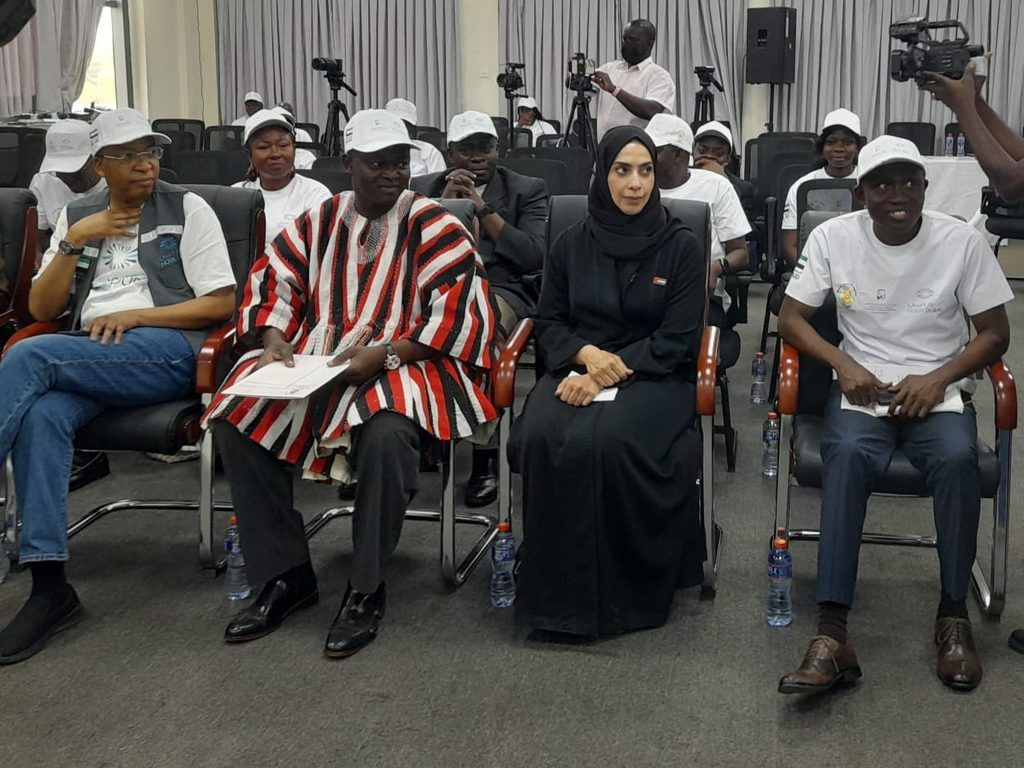
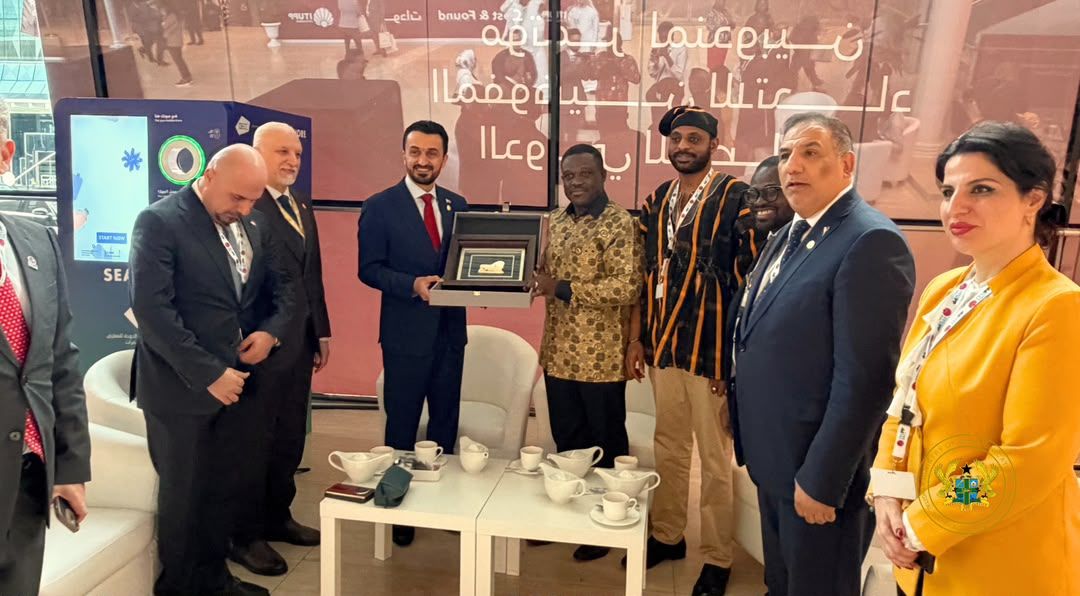
Dr Manal Taryam, CEO of the Noor Dubai Foundation, reaffirmed the Foundation’s commitment to Ghana’s 2030 elimination goal. She said the Mohammed bin Rashid Al Maktoum Global Initiatives is funding a US$7.7 million grant for a three‑year programme that includes twice‑yearly mass treatment, disease surveillance and training for health workers and distributors. The programme aims to treat over five million people annually and is projected to generate more than US$410 million in economic benefits over 30 years.
Dr Franklin Asiedu‑Bekoe, Director of Public Health at GHS, called on the media to provide accurate information to raise public awareness of onchocerciasis, a neglected tropical disease that disproportionately affects rural and underserved communities. He stressed that although the disease is preventable and treatable, it can cause disability, suffering, stigma and financial hardship. “Collective efforts and continued stakeholder support are necessary to eliminate river blindness in Ghana,” he said.
The campaign delivers safe and effective medication to eligible persons and is a key component of Ghana’s strategy to eliminate river blindness as a public health problem by 2030.