
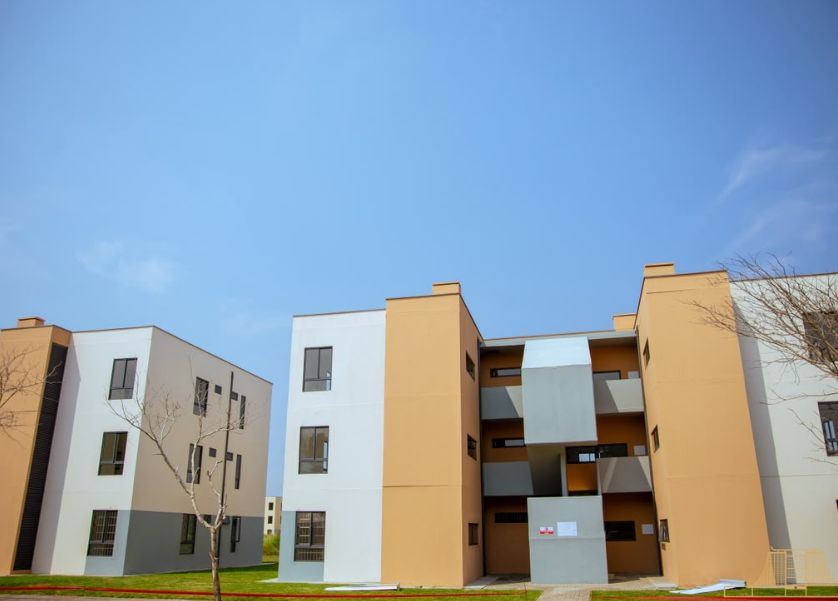
The Ghana Institute of Architects (GIA) has called on the government to adopt a coordinated national housing agenda that includes measurable targets, sustainable funding mechanisms and robust institutional accountability. The Institute said that Ghana’s housing crisis cannot be solved by homeownership alone and urged a broader approach that would expand affordable rental options, support incremental construction, and deliver targeted social housing for vulnerable households.
In a communiqué issued on World Architecture Day 2026, the GIA urged a review of the National Housing Policy of 2015, aligning it with the National Urban Policy and Implementation Plan for 2026‑2035. It wants the revised policy to set clear housing targets, define institutional responsibilities, establish sustainable funding and require regular public reporting on progress.
The Institute also demanded that any proposed Ghana Housing Authority be established through the proper legislative process, with a clearly defined mandate and effective accountability. On affordability, it proposed a legally grounded inclusionary housing framework that would require qualifying developments to provide a prescribed proportion of affordable units or make an approved equivalent contribution.
Other recommendations include prioritising the upgrading of informal settlements with improved water, sanitation, drainage, access roads, fire safety and housing conditions, and ensuring residents are meaningfully involved in the process. The GIA also called for expanded affordable rental options, starter homes, rent‑to‑own schemes and employer‑assisted housing for low‑income households and young people, as well as stronger enforcement of tenancy protections and the completion of rent‑law reforms.
Linking housing delivery to technical and vocational education and training, the Institute stressed that affordability should not compromise structural integrity, fire safety, sanitation, accessibility or compliance with building standards. “The right to adequate housing must translate into funded programmes, accountable institutions and safe, affordable homes,” the GIA said.
The Institute remains ready to collaborate with government, local authorities, communities, developers, financiers and other professionals on affordable design, climate‑responsive construction and improved development approval processes. The next step will be to see the government respond to these comprehensive proposals and integrate them into the national housing strategy.