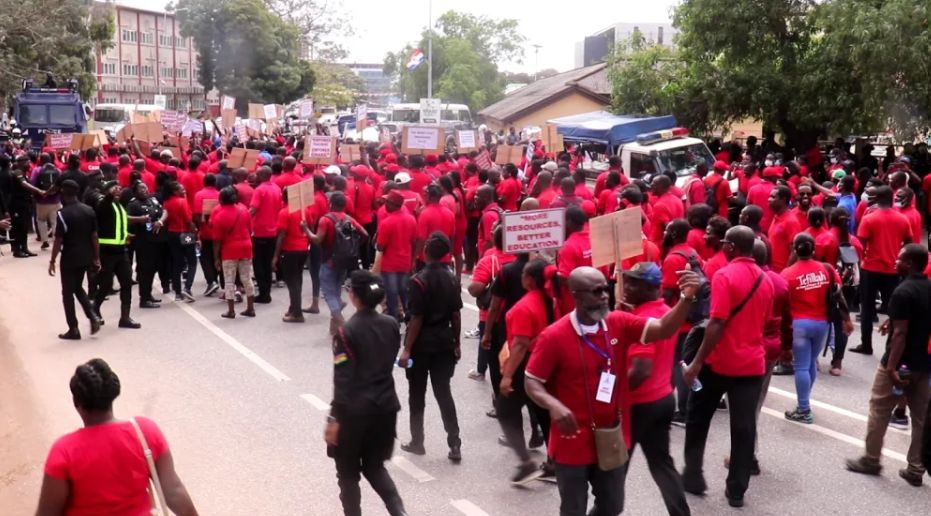
In a European Union‑funded documentary, Rashid Ibrahim, President of the National Union of Ghana Students, and Hariratah Ibrahim Doudu, Vice President of the Student Representative Council of the Ghana School of Law, urged that women and young people must have more than symbolic representation in Ghanaian politics.
Doudu highlighted the structural barriers women face, noting that political systems have historically not been designed to accommodate them. She recalled that when she contested for the SRC vice‑presidency, no woman had held the position for more than five years, and that losing her father after senior high school strengthened her determination to inspire other women to pursue leadership.
Ibrahim said he entered leadership to create a platform for young people to communicate their concerns to decision‑makers, stressing that they needed opportunities, trust and support to contribute to national development. “The youthful leaders are doing well. Why don’t we give them the opportunity?” he asked.
Chief Executive Officer of the Ghana Chamber of Young Entrepreneurs and President of the Ghana Youth Federation, Sherif Ghali, added that representation alone is insufficient, insisting that young people must also be allowed to influence decisions affecting their lives and the country’s development.
The contributors called on political parties and public institutions to move beyond symbolic inclusion and give women and young people the resources and authority to participate meaningfully in decision‑making and hold institutions accountable.
The documentary is part of the EU‑funded Women and Youth Democratic Engagement (WYDE) Political Parties project, implemented in Ghana by the Konrad‑Adenauer‑Stiftung Ghana Office.