The Ghana cedi’s depreciation against the US dollar widened to 10.6 percent in November 2026, from 9.5 percent in September, as the local currency faces renewed pressure from foreign exchange supply constraints.
According to the latest Summary of Economic and Financial Data from the Bank of Ghana, the cedi traded at GH¢11.69 to the dollar in November, compared with GH¢11.66 in September. The currency also recorded losses against other major currencies, falling 9.2 percent against the British pound and 5 percent against the euro on the interbank market. The cedi traded at GH¢15.47 to the pound and GH¢12.92 to the euro during the period.
The Bank of Ghana’s data show the cedi’s performance reflects a challenging year marked by periods of depreciation and intermittent recoveries, partly supported by the Bank of Ghana’s foreign exchange interventions.
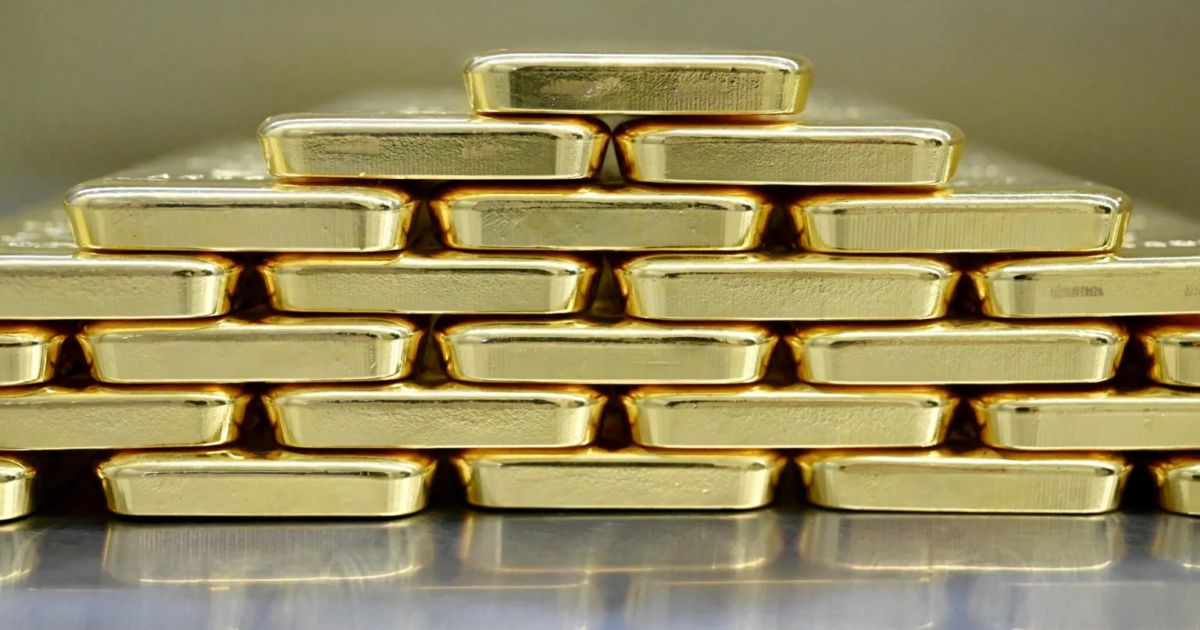
Looking ahead to 2027, Fitch Solutions projects the cedi will average GH¢12.40 to the US$ next year, signalling further pressure on the local currency. Associate Director Mike Kruiniger of Fitch Solutions said the shift in foreign exchange intermediation from the Bank of Ghana to the Ghana Gold Board, along with lower gold prices and reserve accumulation under the Ghana Reserve Accumulation Programme, could constrain dollar supply.
“We expect to see the currency to weaken a little bit, and that is going to bring back some important price pressures next year,” Mr Kruiniger said. He added that a stronger US$ could push international gold prices lower, reducing Ghana’s export earnings and adding to pressure on the cedi, which could increase the cost of imported goods and industrial raw materials, with possible implications for domestic inflation.