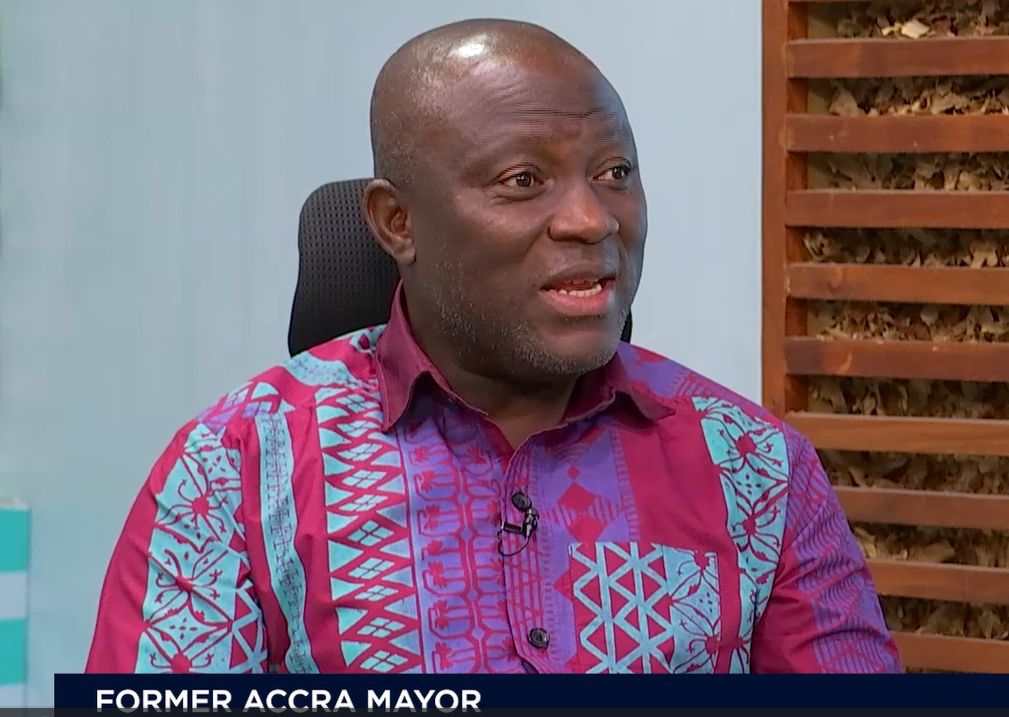
Former Accra mayor Mohammed Nii Adjei Sowah has urged the Ghanaian government to create economic value for plastic waste, citing the recent transfer of tonnes of garbage from the Agbogbloshie enclave to the Adipa landfill in the Eastern Region. The move has sparked anger among residents of the Adipa/Asiaw Electoral Area, who have issued a seven‑day ultimatum to stop the transfer and engage with their concerns.
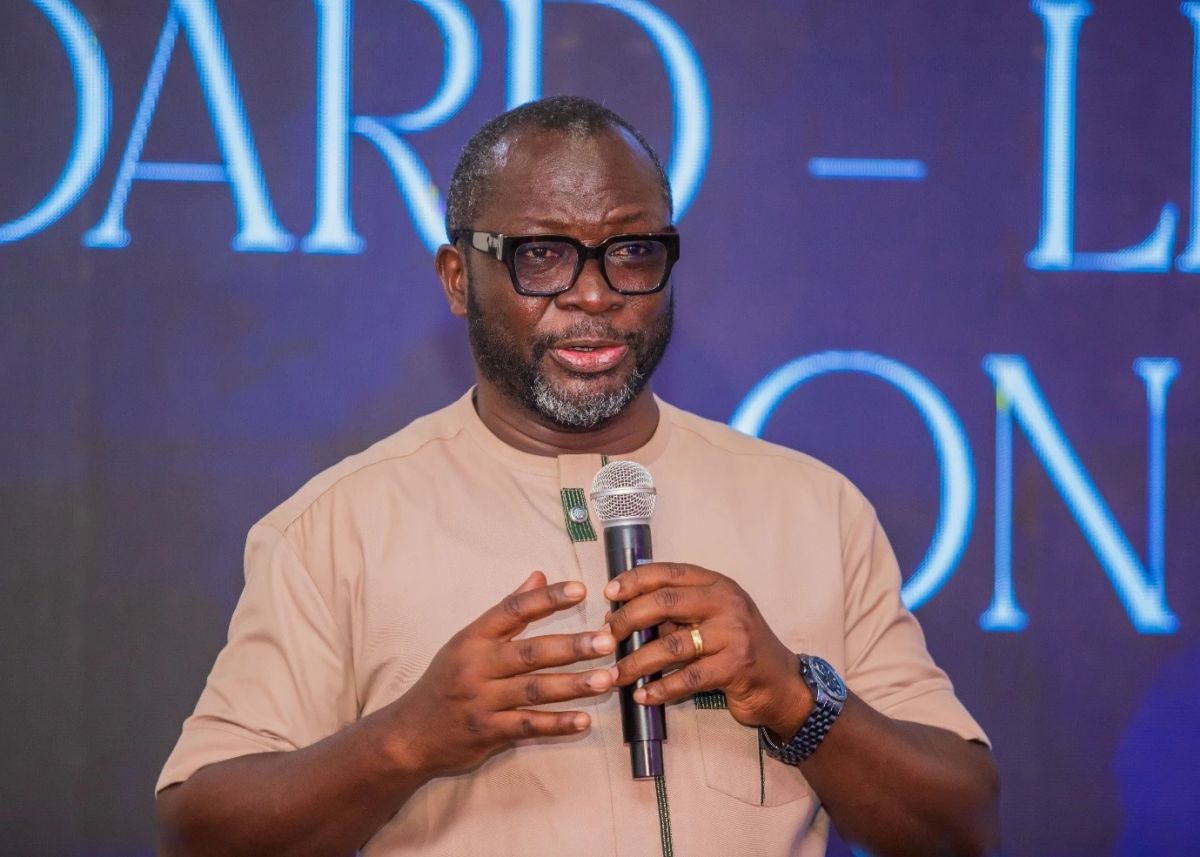
Speaking on Channel One TV’s Face to Face interview with Umaru Sanda Amadu, Nii Sowah noted that unlike metal waste, plastic does not currently offer sufficient financial incentive for collectors, leading to a nationwide struggle with waste management. "We failed to find an economic value for the plastic waste. And that’s why we have been struggling," he said.
The mayor highlighted the success of organic waste utilisation by livestock farmers and traders, who turn food waste into animal feed, as a model for turning plastic into useful resources. "We need to find a way of making good use of the waste. So it becomes organic manure for us," he added.
Residents of Adipa/Asiaw have threatened to block roads to the landfill if the government does not respond within the deadline, citing heaps of garbage, offensive odours and fears of groundwater contamination during rains. Minister for Local Government, Chieftaincy and Religious Affairs Mahama Ayariga has apologised for the disruption caused by the night‑time waste truck movements, acknowledging the traffic and noise inconvenience.
As the government grapples with the logistical and environmental challenges of the Agbogbloshie transfer, the call for a monetised plastic waste system gains urgency. The next steps will involve dialogue between the ministry, local communities and private sector stakeholders to explore viable recycling and value‑creation models.