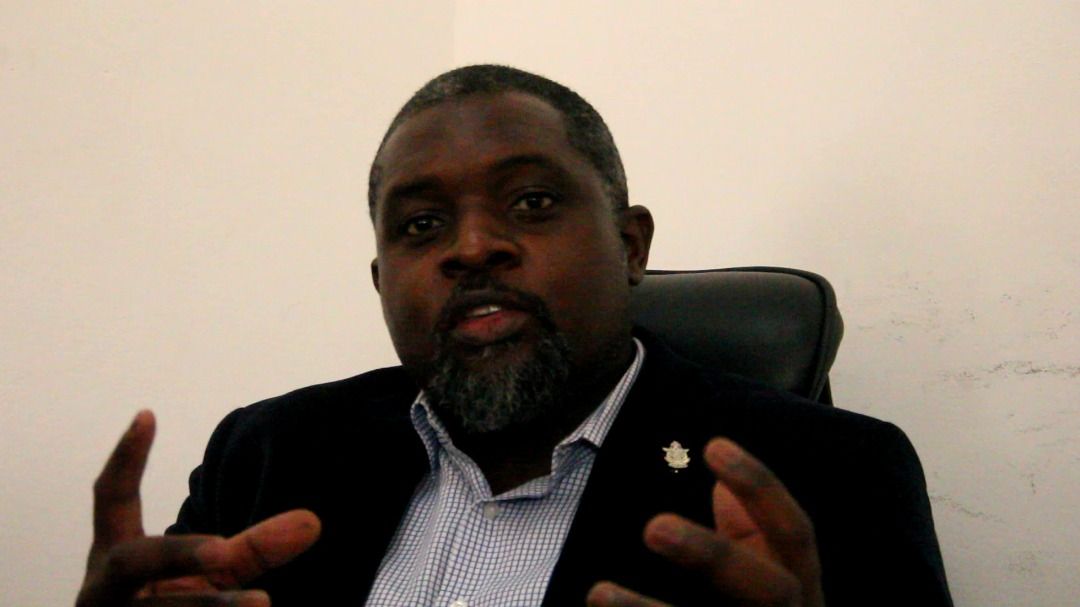

Amma Prempeh, a Ghanaian journalist, filmmaker and Kente Ambassador, has urged the country to move beyond celebrating kente’s recent global visibility and to invest in the infrastructure needed to turn demand into economic opportunity. She said the international attention on the hand‑woven cloth, highlighted by the wedding of Bozoma Saint John‑Watson and Keely Watson in Ghana and a high‑profile Akwasidae celebration in Washington, D.C., signals a growing market for authentic Ghanaian Kente.
Prempeh warned that Ghana’s existing production capacity, especially in Bonwire in the Ashanti Region, may not keep pace with large‑scale orders. She highlighted challenges such as limited access to affordable yarn, modern workshops, equipment and production infrastructure. Bonwire weavers have already expressed the need for a local yarn factory and improved working spaces, and Prempeh said government and private investors must respond.
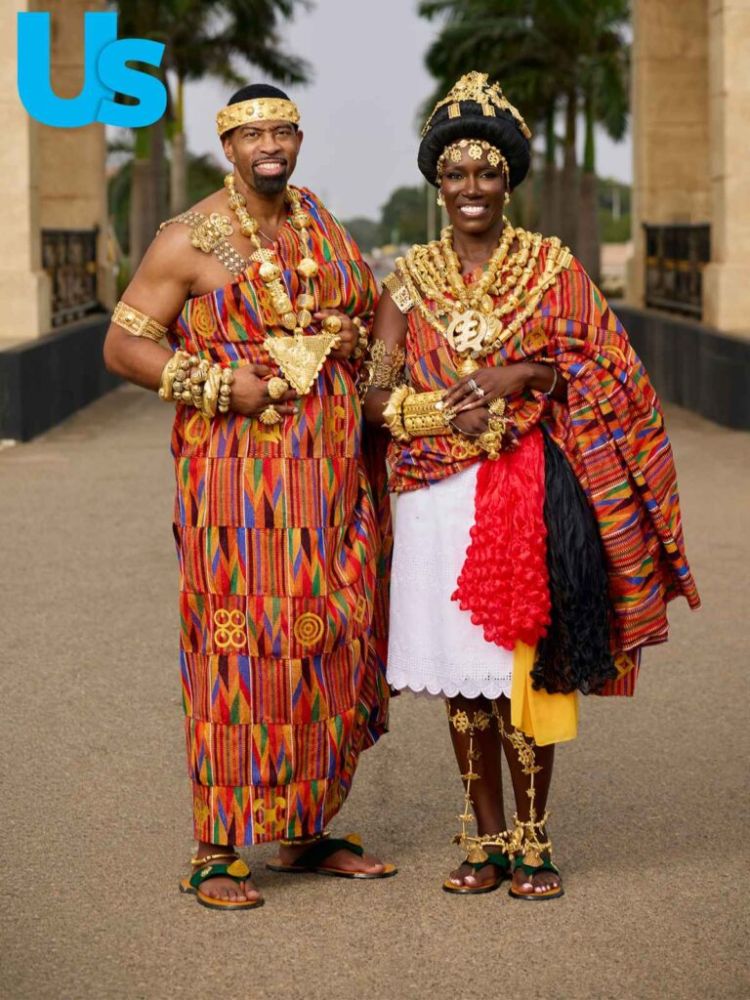
As Kente Ambassador, Prempeh aims to secure investment for a yarn manufacturing factory at Bonwire, alongside modern workshops that would boost productivity while preserving traditional hand‑weaving techniques. She also called for greater support of Ghana’s cotton industry to reduce dependence on imported yarn and for a digital certification system that would allow customers worldwide to verify authenticity, origin and the weaver behind each piece.

Prempeh added that the Geographical Indication status granted to Ghana Kente must be backed by strong branding, digital certification and traceability to protect the cloth as a product linked to Ghana’s cultural heritage. She urged the protection of Kente designs and the documentation of the knowledge and meanings associated with traditional patterns so that Ghanaian communities benefit from commercial success.
With UNESCO recognition of Kente as intangible cultural heritage and its GI status, Prempeh argues that the next step is building capacity so that Ghana, particularly its weaving communities, captures more value from the growing global interest. “The world is watching Ghana and, increasingly, the world is wearing Kente. Now is the time to move from celebration to investment,” she said.