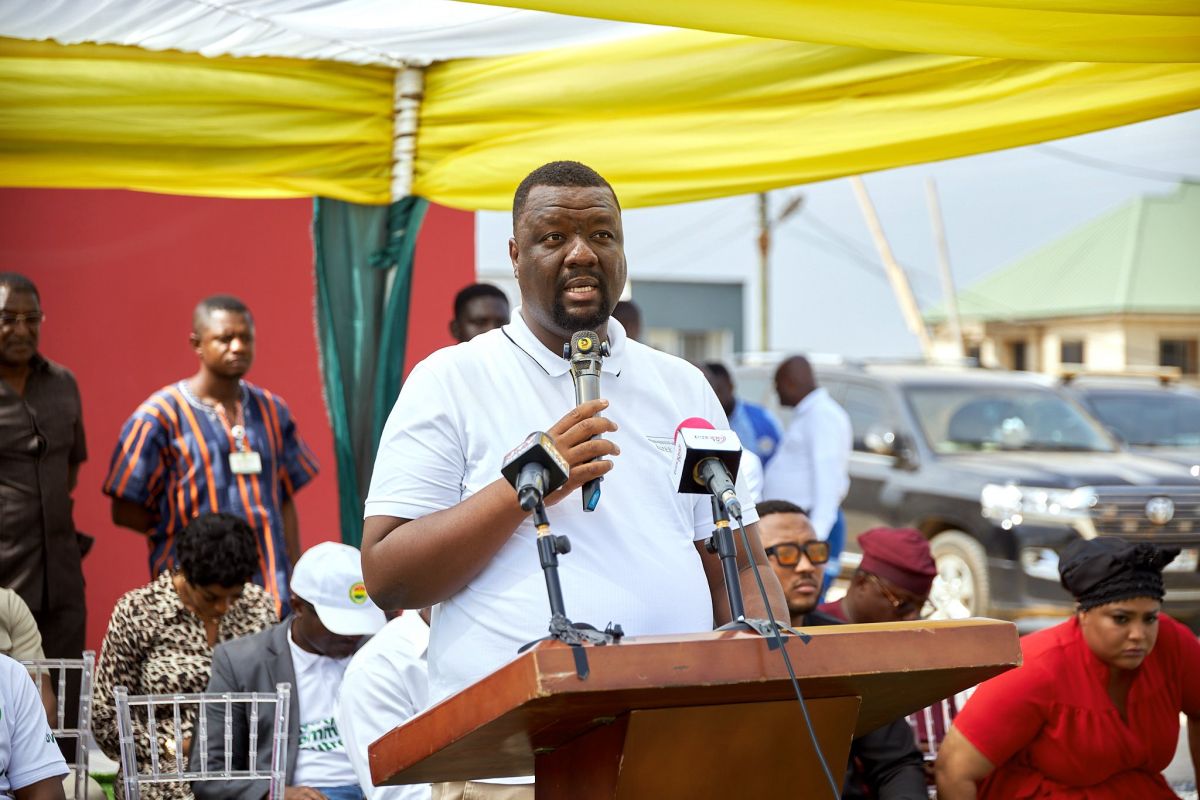
On 22 September 2026, President John Dramani Mahama sent a letter to the Ghana Journalists Association (GJA) and the Media Foundation for West Africa (MFWA) calling on the two bodies to organise a national stakeholder engagement on hate speech, abusive online content and responsible digital communication. The directive also asked for a roadmap to address the problem.
The proposed meeting is set to bring together the National Media Commission (NMC), Ghana Police Service, civil society, traditional media, bloggers, influencers, content creators, legal and human‑rights experts, digital platforms and other relevant institutions. The aim is to create a comprehensive approach to a problem that extends beyond simple censorship.
Ghana’s Constitution already recognises the NMC as the guardian of media freedom. Article 162 prohibits censorship and protects media organisations from government interference over editorial opinions. Article 166 establishes the NMC, while Article 167 outlines its functions, and Article 172 adds further safeguards. These constitutional provisions give the NMC a clear mandate to oversee media governance and to ensure that any new hate‑speech framework respects freedom of expression.
Mahama’s letter highlights the need for a system that can balance the protection of legitimate criticism with the prevention of harmful speech. The GJA and MFWA, while influential, do not possess the constitutional authority that the NMC holds. A collaborative model, with the NMC providing constitutional leadership and the GJA, MFWA and other stakeholders contributing expertise, could turn the debate into a broader constitutional conversation about freedom of expression and accountability.
The urgency of the discussion is amplified by recent disputes over speech‑related arrests and prosecutions. The MFWA has criticised the criminalisation of speech under Sections 208 of the Criminal Offences Act and 76 of the Electronic Communications Act, arguing that civil remedies and NMC processes should be preferred for reputational injury. The organisation also warned that new legislation on misinformation, disinformation and hate speech could use definitions broad enough to stifle legitimate dissent.
In light of these concerns, the national dialogue must examine not only whether new offences are needed, but also whether the existing institutions and remedies are appropriate for different categories of speech. The NMC’s constitutional role places it at the centre of this debate, ensuring that any regulatory framework remains independent of political influence.
As the engagement approaches, observers will watch how the NMC, GJA, MFWA and other stakeholders negotiate a framework that protects both freedom of expression and the public from harmful content. The outcome could set a precedent for media governance in Ghana and beyond.