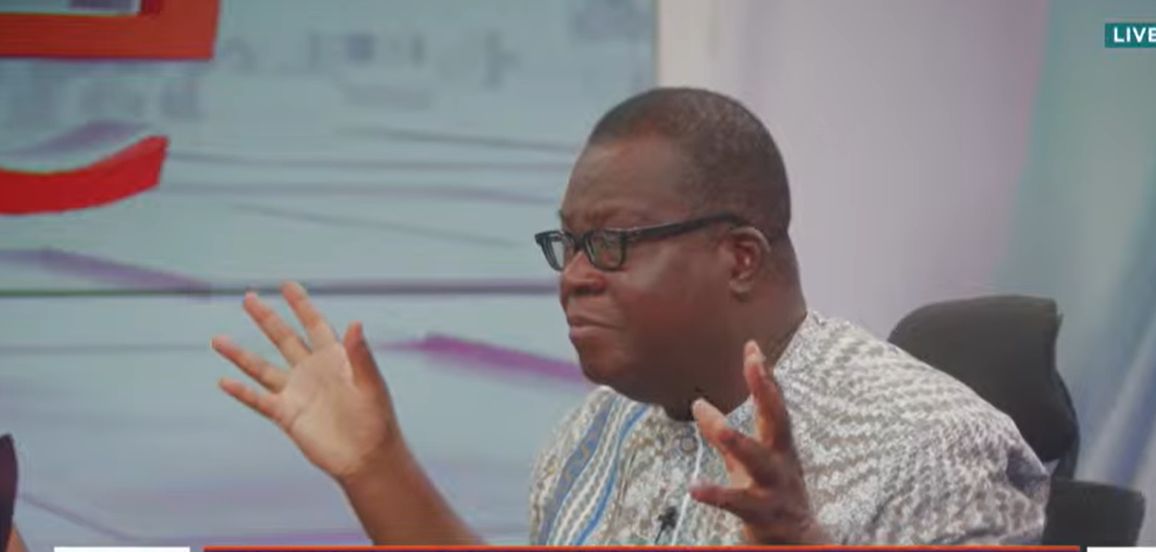

Minister for Lands and Natural Resources Emmanuel Armah‑Kofi Buah announced Ghana’s intention to establish a dedicated Electric Vehicle (EV) Capacity Building Centre, aimed at training mechanics and technical professionals in the maintenance and repair of electric vehicles. The initiative comes as the country prepares for the expected surge in electric mobility.
Speaking after touring the showroom and operations of Longking, a Chinese EV manufacturer, the minister said that the shift from fossil‑fuel cars to cleaner alternatives is a global trend that Ghana must not miss. He added that a coordinated national effort is required to define the role of the electric‑vehicle industry in Ghana and to develop the human capital needed to sustain it.
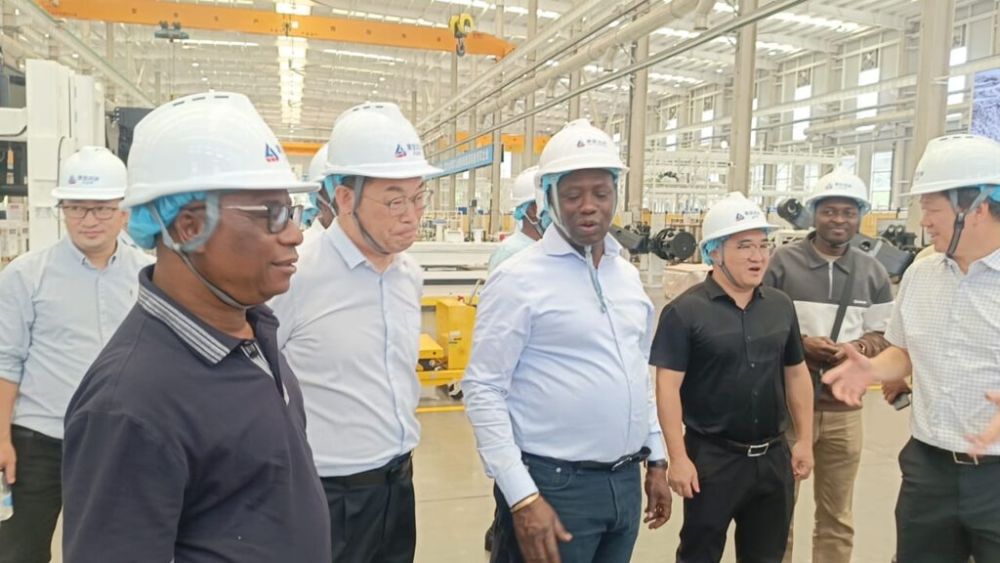
Local mechanics will need specialised training to safely and effectively maintain electric vehicles, whose systems and components differ significantly from those of conventional internal‑combustion vehicles. The minister also highlighted the potential for China to assist Ghana in building the necessary technical capacity, given its rapid growth in EV manufacturing and technology.
China’s experience extends beyond passenger cars to electric heavy‑duty trucks, which are increasingly deployed in mining, ports, factories and short‑haul freight. In June 2026, electric heavy trucks accounted for about 44% of new heavy‑truck sales in China, although they represented only about 4% of the country’s total fleet. Battery‑swapping technology, which can reduce downtime by swapping depleted batteries for fully charged ones, is also a key enabler for commercial operators.

According to the International Energy Agency, the average range of battery‑electric trucks is around 300 kilometres, making short‑haul operations a strong early market. China’s approach includes not only vehicle manufacturing but also the development of charging infrastructure, battery‑swapping stations and supporting systems.
The proposed centre would therefore form part of Ghana’s preparations by equipping mechanics, engineers and other technical professionals with the skills required to maintain electric vehicles locally. The initiative would help ensure that Ghana’s transition to electric mobility is supported not only by the importation and use of electric vehicles but also by the development of local technical expertise to service and maintain them.