A delegation of U.S. scientific experts arrived in Ghana on November 7 to work with local authorities on water quality, mercury contamination and laboratory capacity development. The visit, part of the Ambassador’s Water Experts Program, lasted until November 21 and was led by representatives from the U.S. Department of the Interior, the U.S. Geological Survey and the U.S. Environmental Protection Agency.
During the trip, the experts met with the Ghana Environmental Protection Agency to discuss the growing threat of mercury pollution in freshwater systems affected by illegal small‑scale mining, known locally as galamsey. They reviewed standardised testing methodologies and explored opportunities for joint scientific research.
The delegation also hosted a two‑day symposium on November 10 and 11 titled “Addressing Mercury Pollution: Collaborative Solutions for Sustainable Mining in Ghana.” The event brought together U.S. and Ghanaian scientists, civil society representatives, academic institutions and industry stakeholders to examine the environmental, health and security implications of mercury use and to showcase commercially viable mercury‑free mining technologies.
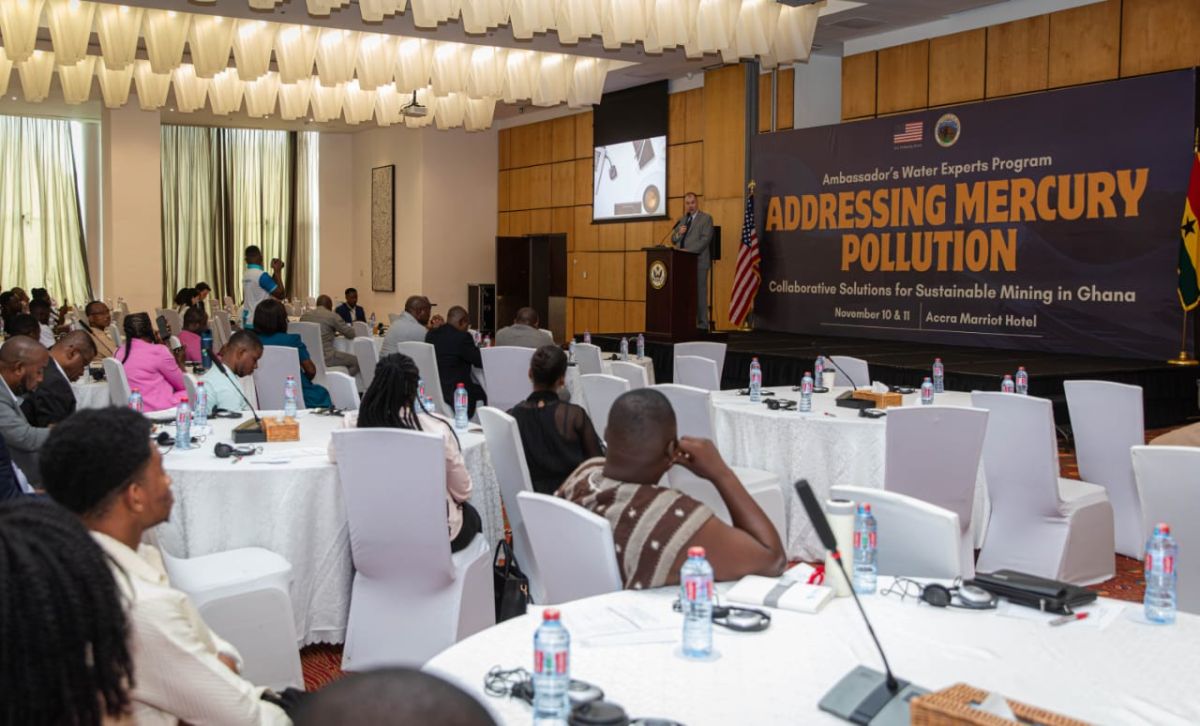
Then Chargé d’Affaires a.i. Rolf Olson highlighted the importance of protecting Ghana’s freshwater resources for environmental health, long‑term economic stability and food security. He stated, “Protecting Ghana’s freshwater resources is essential not only for environmental and public health, but also for long‑term economic and food security. The United States is committed to working with Ghana to strengthen scientific capacity, advance responsible mining practices, and promote American technological solutions that support sustainable development.”
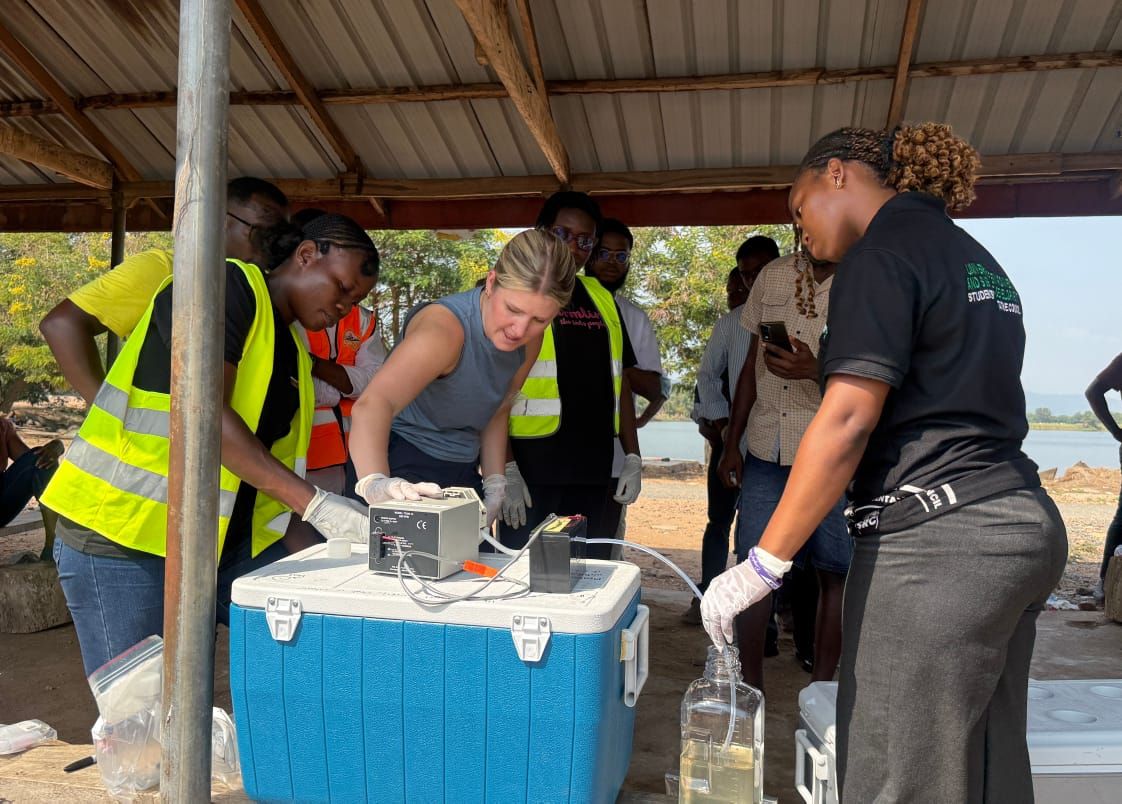
Academic engagement was also a key component of the visit. Students from the University of Ghana, Kwame Nkrumah University of Science and Technology, the University of Environment and Sustainable Development and Accra STEM Academy participated in workshops focused on water awareness, training and field research.
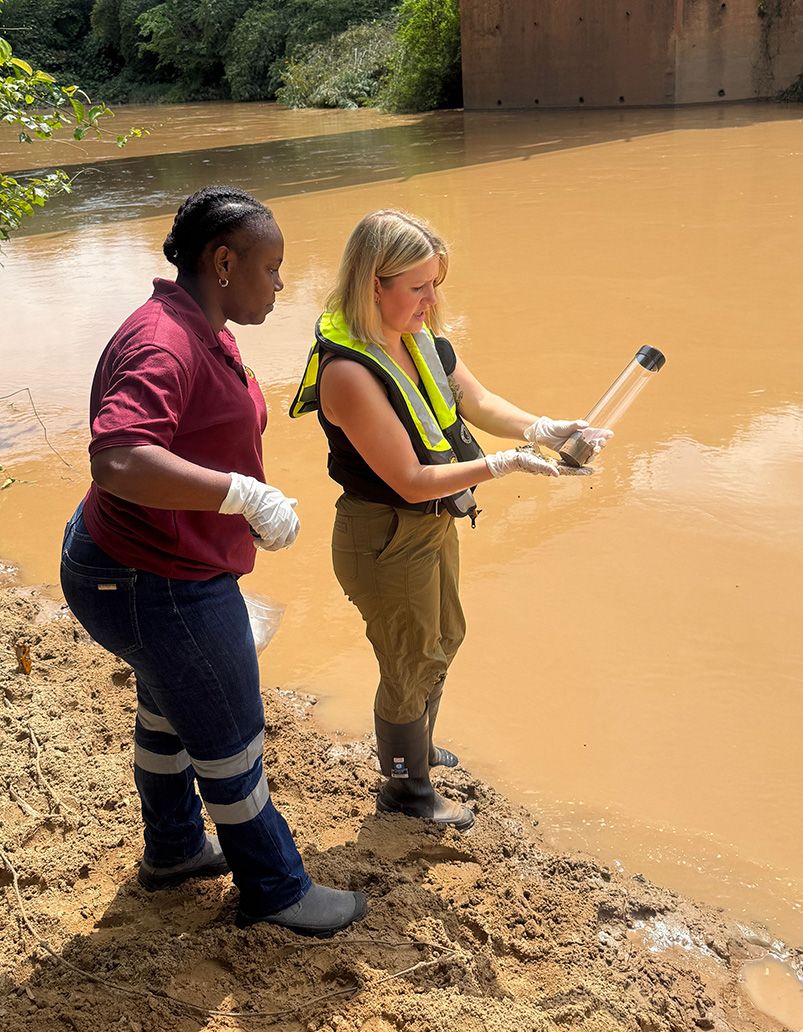
Dr Grace Armstrong, a USGS scientist who conducted a baseline assessment in 2024, noted that coordinated scientific approaches and trusted partnerships are essential to address mercury pollution. She said, “The challenges posed by mercury pollution require coordinated scientific approaches and trusted partnerships. Our work together helps ensure that data collected in Ghana meets rigorous standards and supports effective decision‑making for environmental protection.”
U.S. EPA expert Dr Chris Eckley added that American experience in assessing and remediating mercury‑contaminated sites could help Ghana address its local environmental challenges. He explained, “Drawing on U.S. experience assessing and remediating mercury‑contaminated sites could help our Ghanaian counterparts address local environmental challenges.”
The visit comes as Ghana and the United States approach 70 years of diplomatic relations, underscoring a long‑standing commitment to environmental cooperation and shared solutions to complex health, security and economic issues. The collaboration is expected to strengthen analytical quality assurance, expand scientific collaboration and support Ghana’s adoption of international best practices in water quality monitoring and mercury detection.