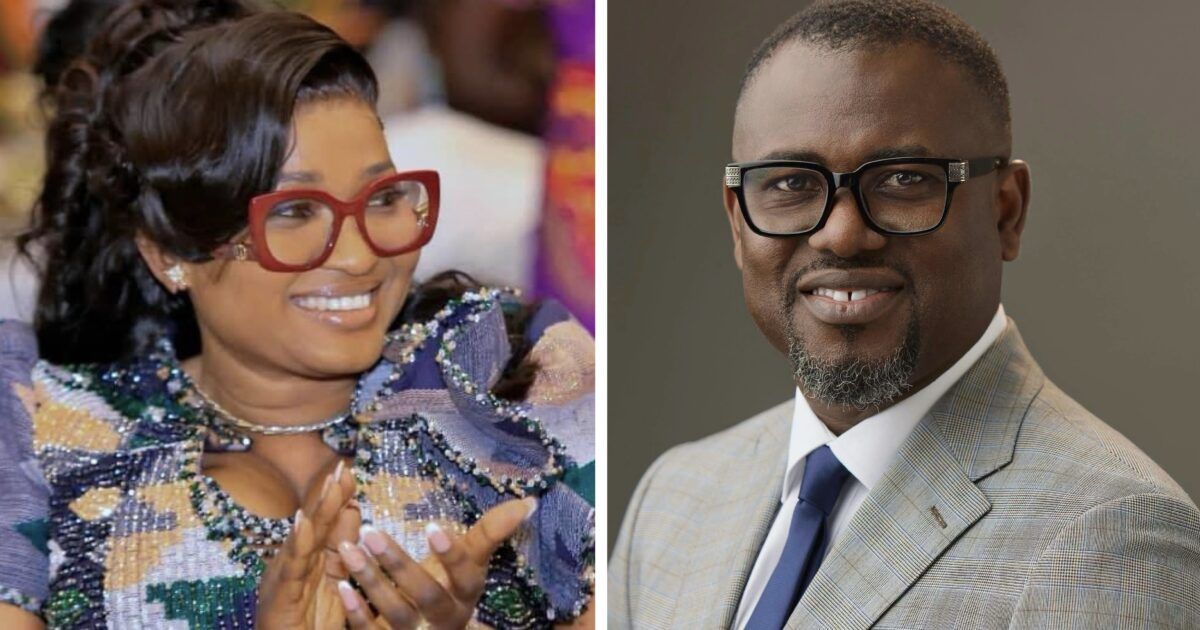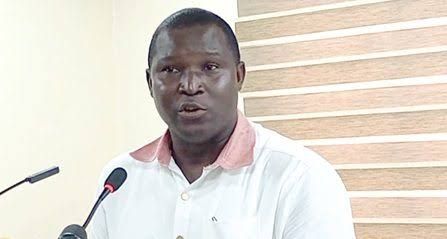
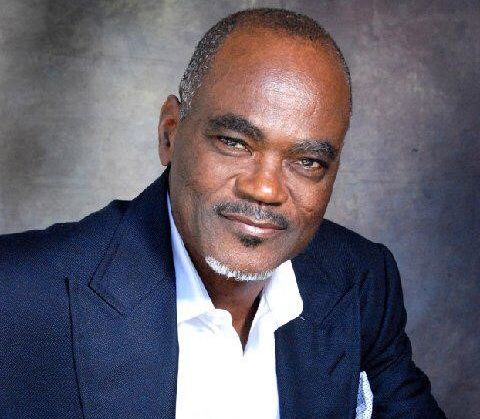
Dr Kofi Amoah, known as Citizen Kofi, has called on the nation to rethink how corruption is investigated and punished. He warned that Ghana’s current approach risks turning corruption into an attractive route to wealth and social status.
Amid calls from Finance Minister Cassiel Ato Forson to break the cycle of exporting raw materials while importing finished goods, Dr Amoah said the urgency of tackling corruption has heightened as the country seeks to build competitive indigenous businesses and move from raw material exports to finished‑goods production.
He argued that Ghana must build domestic productive capacity and develop strong, competitive enterprises, including through strategic state participation. However, he warned that ambition will remain vulnerable unless the country first deals decisively with corruption.
In an X post, Dr Amoah said properly conceived and professionally managed state‑owned enterprises can play an important role in development, but only if accompanied by a serious mechanism for preventing and punishing corruption. He noted that placing significant financial resources under state control creates enormous opportunities for abuse, and that a few people who choose to act corruptly can ruin the country’s dreams.
He also highlighted that corruption is not merely greed; inadequate pay for public officials can create a dangerous imbalance. When officials responsible for large public resources are poorly compensated, the temptation to take a “big steal” rises, especially if detection is unlikely and punishment is insignificant. Over time, this can evolve into a culture of corruption.
Dr Amoah warned that corruption can deprive citizens of essential public services and even lead to loss of life. He cited the example of a dialysis machine at Korle Bu Teaching Hospital becoming unavailable because repair funds were siphoned through corruption, thereby putting patients at risk.
He concluded that stealing public money is not a victimless financial crime when the money was intended for hospitals, schools, roads and other services citizens depend on. Therefore, he urged that exceptionally severe punishment for proven corruption should not be dismissed as unjustifiable.
In the coming weeks, Dr Amoah will meet with civil society groups and lawmakers to push for the establishment of an independent institution capable of investigating and prosecuting corruption without political interference.