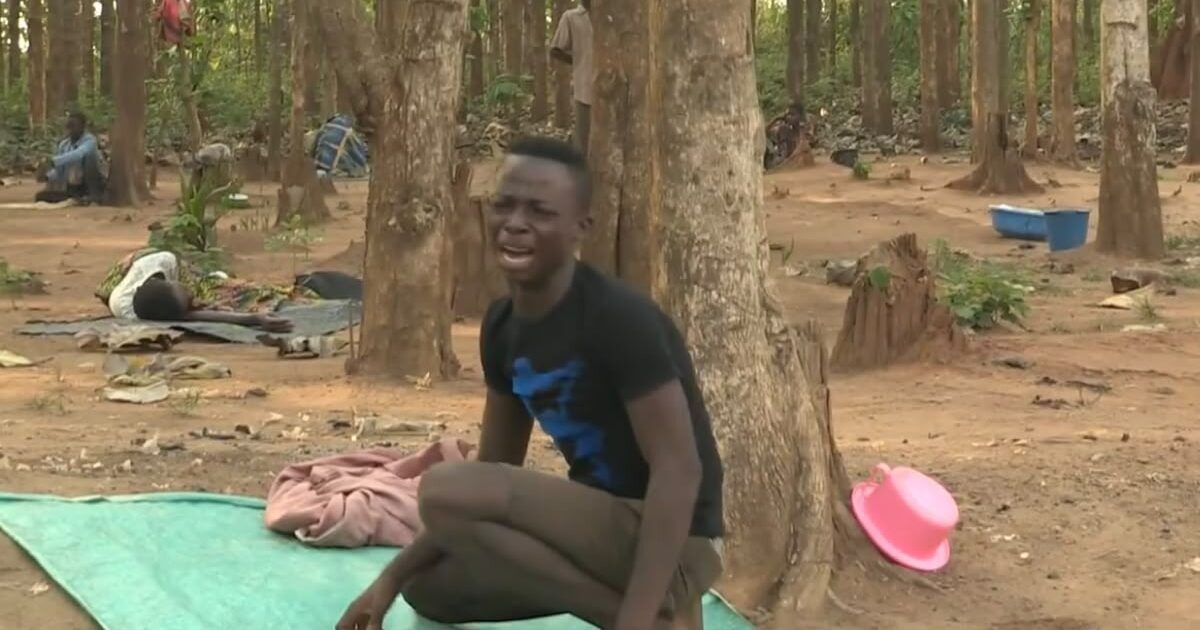
At eight years old, Hafiz Abdallah was taken to Nyinbonya, a prayer camp in Paga near Ghana’s border with Burkina Faso. For the next eight years, his mother says he lived there without a clinical diagnosis, often chained when his behaviour became erratic. “He doesn’t even speak, stands often in his own world,” she recounted, adding that the restraint kept him from wandering off and getting hurt.
Hafiz’s difficulties escalated after the death of his twin brother. He destroyed property, stole a neighbour’s chicken and even attacked his mother, leaving her baffled and financially drained after trying herbal remedies. “Where else do I turn to? I put my faith in Allah,” she said.
His case reflects a wider problem: many Ghanaian families first seek help from churches, prayer camps or traditional healers when a child’s behaviour is unexplained. Clinical psychologist Emmanuel Asampong notes that this stems from a biopsychosocial approach that quickly attributes unexplainable symptoms to spiritual causes.
At Nyinbonya, witnesses observed barefoot children, some malnourished and disassociated, and adults pinching or slapping patients to stop screaming. A caregiver, speaking anonymously, said the facility could accommodate almost 200 patients. While the camp’s staff claim they are doing their best, the lack of trained mental‑health professionals means children like Hafiz spend years without proper diagnosis or treatment.
Sarah Adjei, now 21 and studying psychology, was sexually assaulted at seven and treated in a church with intense prayer and fasting. She believes she needed professional mental‑health support instead of spiritual interventions. Psychiatrist Dr Abigail Harding of Korle‑Bu Teaching Hospital warned that practices such as chaining, forced fasting and isolation can traumatise patients and delay effective treatment, insisting that mental illness is a medical condition that must be treated humanely and in line with Ghana’s mental‑health acts.
Barriers to care are compounded by a shortage of professionals: Ghana has just over 80 psychiatrists, most based in Accra. Deputy head of communications at the Mental Health Authority, Dr Josephine Stiles Darko, said the solution is to bring care closer to communities, training district health personnel and conducting specialist outreach clinics.
Asampong cautions against dismissing religious and traditional providers, noting that families will continue to seek them out. He suggests integrating these providers into a broader health system rather than abandoning them outright.
Hafiz’s mother now sees the camp as a safeguard against danger but acknowledges that his half‑life spent without a clinical diagnosis has cost him a normal childhood. The story highlights the urgent need for accessible, evidence‑based mental‑health services across Ghana.