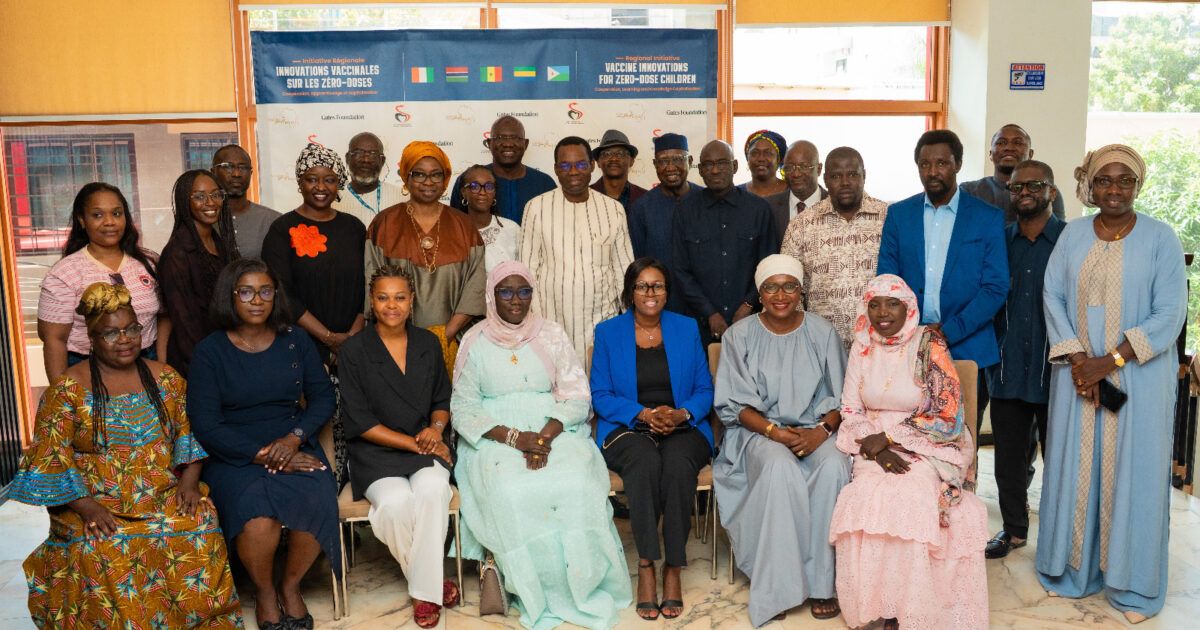
From 29 September to 2 October 2026, delegations from Senegal, Côte d’Ivoire, Gabon, Djibouti and The Gambia gathered in Dakar for a four‑day regional benchmarking mission organised by Galien Africa in partnership with the Senegalese Ministry of Health and Public Hygiene. The mission brought together national representatives, academic, technical and financial partners including WHO, UNICEF, Institut Pasteur de Dakar and the Gates Foundation.
After sharing challenges, innovations and good practices, the five countries visited Senegal’s Directorate of Prevention and Immunisation Division and the Dakar Centre health district to observe vaccine stock management, cold‑chain monitoring and distribution. Hands‑on coaching boosted Tracker system active users from 50 % to over 90 %. Mobile immunisation interventions from 4:00 pm to 8:00 pm demonstrated how vaccination services can adapt to families’ schedules.
Participants examined community‑based approaches such as the “Young Girls’ Round” that uses peer engagement to strengthen HPV vaccination acceptance. Discussions focused on financing, community participation, reaching mobile and cross‑border populations, and professionalising community health workers.
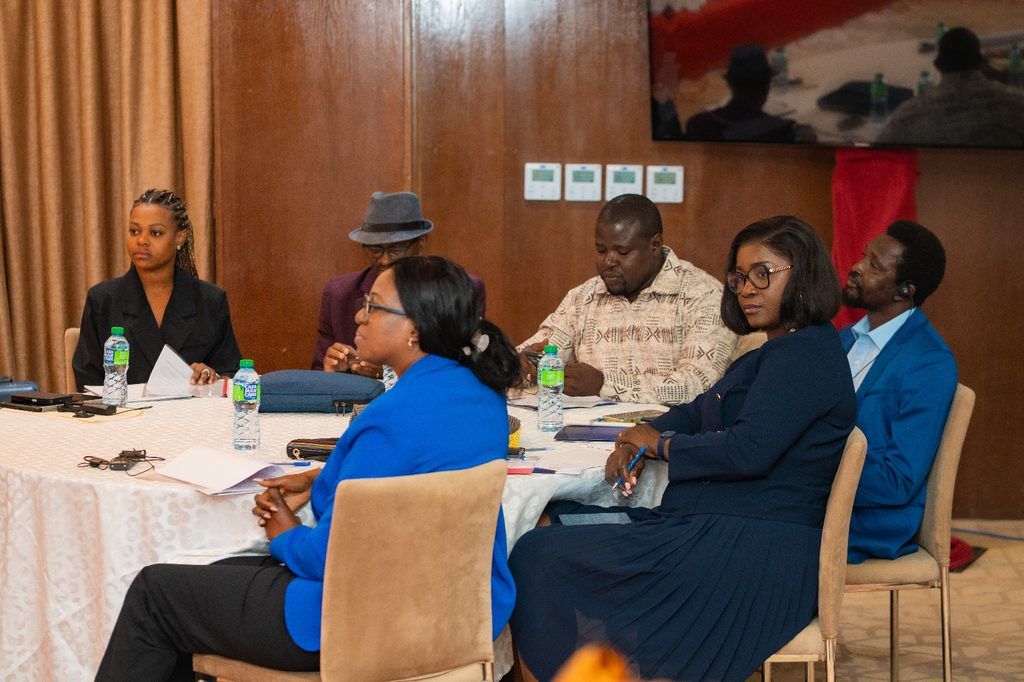
Senegal outlined a roadmap to advance platform interoperability, expand the individual vaccination registry and strengthen mapping of zero‑dose children. Côte d’Ivoire will strengthen integrated tracking, mobilise private resources and consolidate multisectoral mechanisms. Gabon will institutionalise “push” distribution, daily cold‑chain monitoring and introduce an individual registry. The Gambia will enhance its electronic system for tracking children lost to follow‑up and improve access in underserved areas. Djibouti will develop an electronic registry with a unique identifier, create a last‑mile budget line and formalise nomadic community health relays.
The mission identified 21 priority actions, with digital individual tracking and stronger domestic financing emerging as common priorities. A regional matrix will document actions, responsible parties and indicators, with a three‑month review to assess implementation and a six‑month review to examine impact on identifying and vaccinating zero‑dose children.
At the mission’s close, the delegations agreed that success would be measured by the number of additional children effectively identified, reached, vaccinated and retained in the immunisation pathway.